The United States has advised Israel to hold off on a ground assault in the Hamas-controlled Gaza Strip and is keeping Qatar – a broker with the Palestinian militants – apprised of those talks, sources said, as Washington tries to free more hostages and prepare for a possible spillover in a wider regional war.
After Hamas attacked Israel on Oct. 7 and killed some 1,400 people, the United States stood by its ally and stressed that Israel has the right to defend itself. It has also publicly stressed that Israel will decide its own timetable for retaliation.
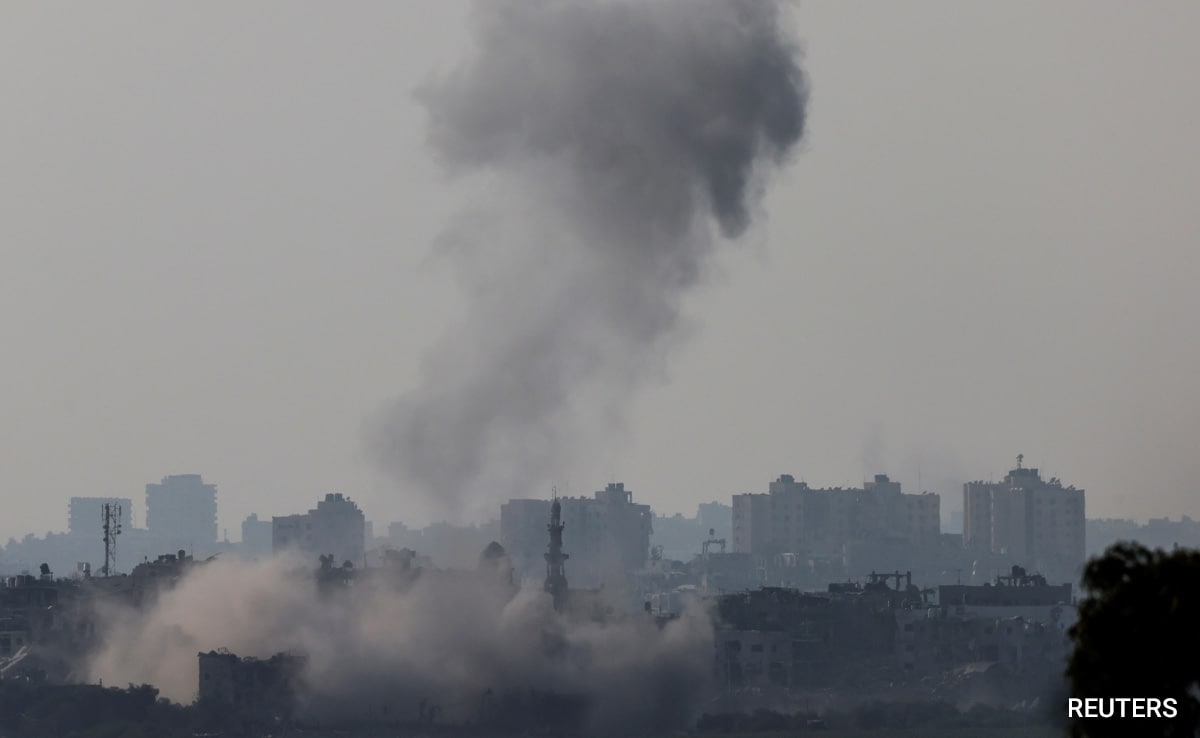
But the White House, Pentagon and State Department have now stepped up private appeals for caution in conversations with the Israelis, two sources familiar with discussions said, as Israel’s blockade of Gaza worsens a humanitarian crisis and the death toll from its bombardment of the enclave passes 5,000.
A U.S. priority is to allow more time for negotiations on the release of hostages taken by Hamas on Oct. 7, sources said, particularly after the unexpected release of two Americans on Friday. Hamas said it released two more hostages on Monday. Hamas is believed to hold more than 200 hostages.
One U.S. official said the administration, mindful of Doha’s role as an intermediary with Hamas, was keeping Qatari officials informed of its advice to Israel so that they are fully up-to-speed as hostage negotiations continue.
“For now, there’s no clear roadmap or sequence of the steps towards complete de-escalation. The priority is on working to get the hostages out step-by-step,” said a source briefed on the hostage negotiations.
‘Tough Questions’
A second U.S. official said that European governments, many of whom also have citizens being held hostage, were also suggesting Israel refrain from launching its ground offensive to give space for the negotiations on their release to play out.
U.S. President Joe Biden discussed the hostage and humanitarian crises in Gaza with the leaders of Canada, France, Germany, Italy and Britain on Sunday, the White House said.
The first U.S. official said that along with the hostage negotiations, advising Israel to hold off on its invasion could also give more time for humanitarian aid to be delivered to Gaza. Since Saturday, the United Nations said 54 trucks of aid had been able to enter Gaza from Egypt.
White House national security spokesperson John Kirby said on Monday that since the start of the conflict Washington had been speaking with Israel to “ascertain their intentions, their strategy, their aims, to see what their answers are, to the kinds of tough questions that any military ought to be asking.”
A U.S. defense official said that Defense Secretary Lloyd Austin – in many phone calls with his Israeli counterpart – had emphasized the need to be prepared for knock-on effects of a ground offensive, which include the risks of widening conflict in the region, the fate of hostages and the humanitarian crisis.
U.S. officials have urged Israel to follow the laws of war in any invasion of Gaza, which is home to 2.3 million people.
US Defense
Israeli officials have increasingly signaled in public that a Gaza invasion could be imminent. None has given a hard date, however, or said that there has been a deferment. Israel has called up a record 300,000 military reservists.
“We will do what we need to do, when we need to do it,” Israel’s Deputy Ambassador to Washington Eliav Benjamin on told Israel’s Army Radio Monday, playing down U.S. sway on planning for an offensive.
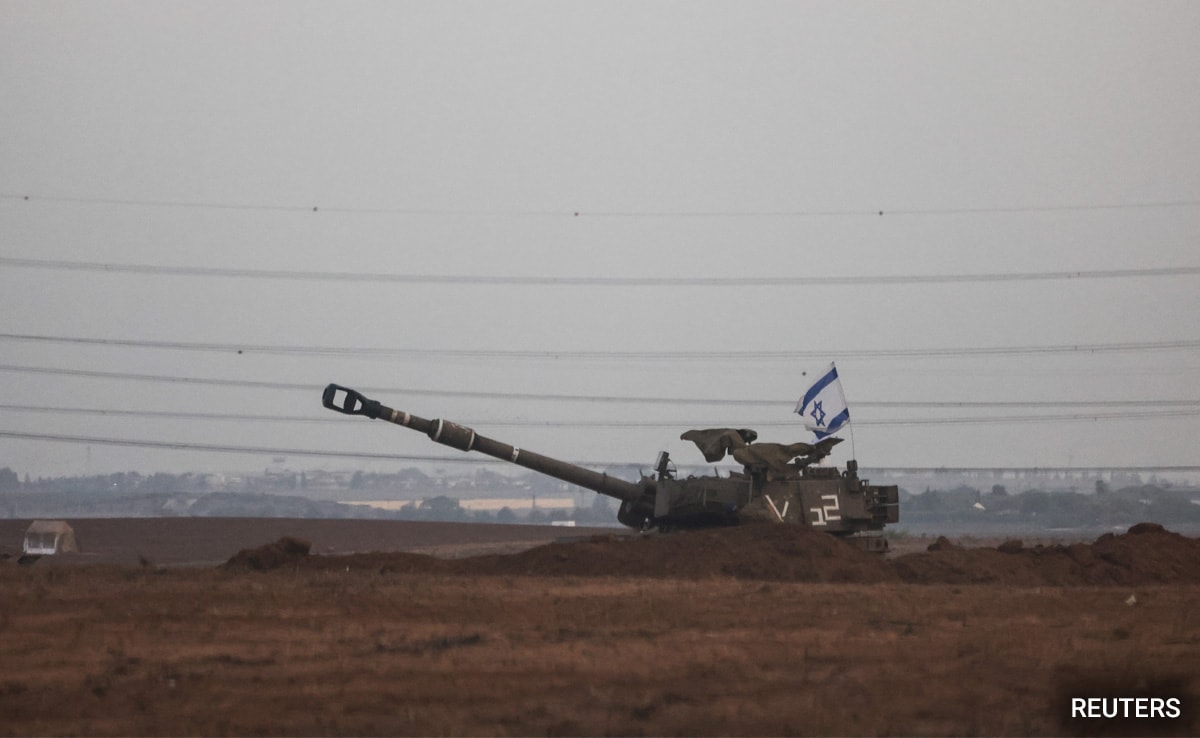
Since Sunday, Israel has signaled a shift in tactics by sending infantry, backed by tanks, on probing incursions of Gaza that have touched off clashes with Hamas fighters. It has also been focusing air strikes on what it described as areas where Hamas is assembling its fighters to ambush any invasion.
Advising Israel to hold off on a ground offensive also allows Washington to prepare for any possible retaliatory attacks against U.S. interests in the region as fears of a spillover grow, particularly between Israel and Lebanon’s heavily-armed, Iran-backed Hezbollah group.
“We expect that there’s a likelihood of escalation … We are taking steps to make sure that we can effectively defend our people and respond decisively if we need to,” U.S. Secretary of State Antony Blinken told NBC on Sunday.
Washington has also grown concerned over the desire among some senior Israeli officials, including the Defense Minister Yoav Gallant, advocating for a pre-emptive strike on Hezbollah.
Israel would have a difficult time fighting a war on two fronts simultaneously if Hezbollah launches a full-scale fight in the north, U.S. officials say. Washington has sent two aircraft carrier groups to the eastern Mediterranean to bolster its presence in the region and act primarily as a deterrent to Israel’s other Middle Eastern foes.