onmynews.com
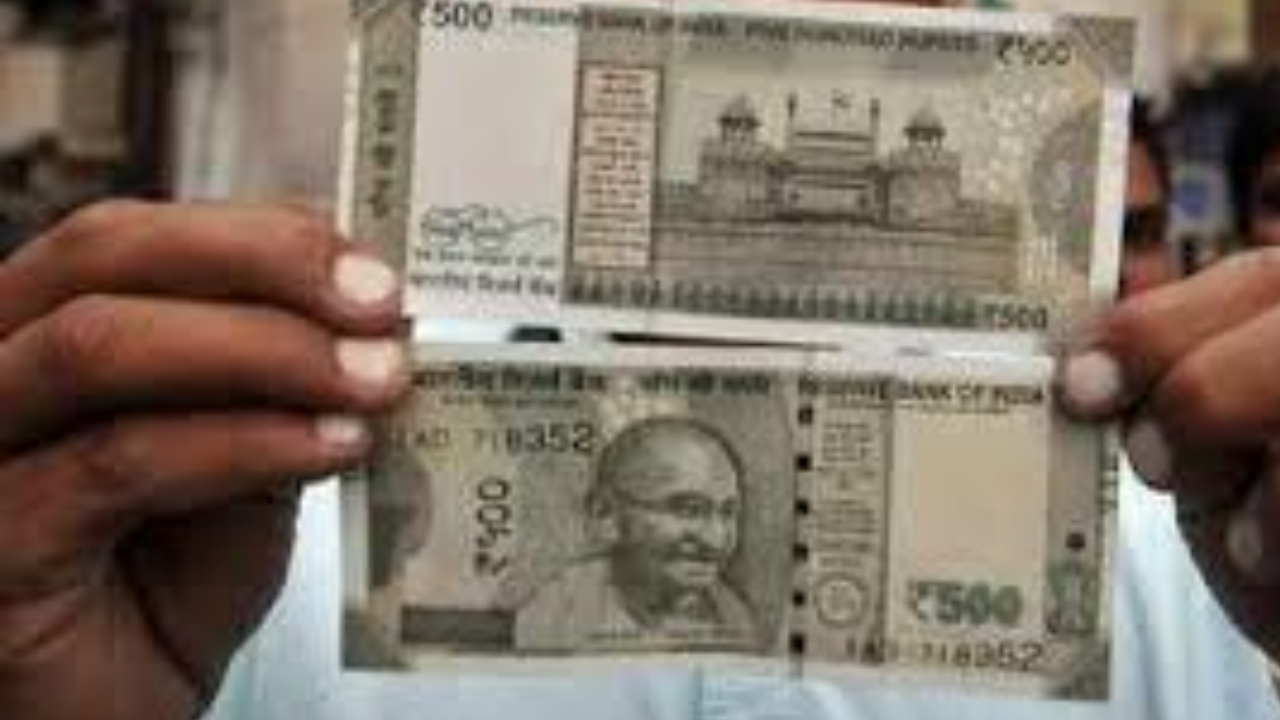
Individuals who donated Rs 1,000 to political parties
Post Content
Post Content

A survey showed that 86% consumers want the Central Consumer Protection Authority to create an easy mechanism for redressing grievances and to ensure consumer safety
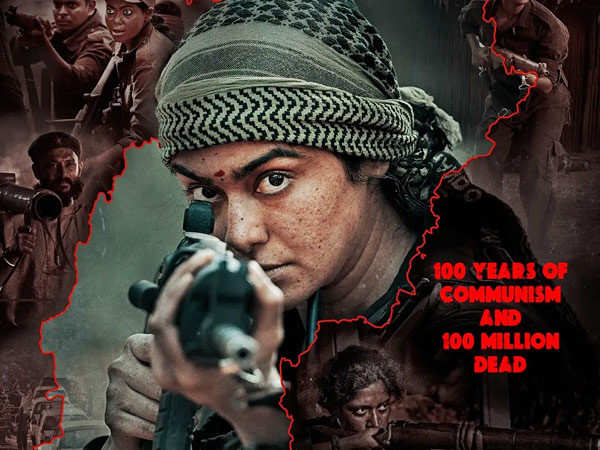
The main character of the story is Neerja Madhavan (Adah Sharma), a serious police officer in a high-ranking position in the CRPF, tasked with stopping the Naxal rebellion. The movie starts in a courtroom where the government and Naxal representatives are fighting in court. Neerja uses Special Police Officers (SPOs) and a government-backed group called Salwa Judum to stop the Naxalites in Chhattisgarh. At the same time, we follow the story of Ratna (Indira Tiwari), a tribal woman whose husband was brutally killed by a famous Naxalite named Lanka Reddy. Seeking revenge, Ratna joins the police force and helps Neerja in her mission.
Bastar: The Naxal Story offers a one-dimensional perspective on the complex issue of Naxalism, presenting them solely as anti-national elements without delving into the intricacies of the problem. The film falls short in providing a nuanced understanding, as it paints all left-wing ideologies and liberal politics as inherently anti-national, overlooking the diversity of perspectives within these realms. Moreover, the portrayal of intellectuals and journalists as collaborators in undermining national integrity lacks depth and fails to explore the multifaceted roles these individuals play in society. It points fingers at universities such as JNU (though it’s not named as such), saying it’s a den of anti-nationals. And also alludes that a certain party, with its Gandhian thought-base, is detrimental to the wellbeing of the nation and is sponsoring terrorism via Naxals. The movie compares the Maoist rebellion to groups like Islamic State and Boko Haram. It also suggests connections between the leaders of the Naxal movement and organisations such as Lashkar-e-Toiba, Liberation Tigers of Tamil Eelam, and Filipino communist groups.
The narrative also attempts to attribute an improvement in the situation post-2010 to the efforts of the present government. This oversimplification neglects the contributions and challenges faced by various stakeholders in addressing the Naxal issue. Furthermore, the film’s use of graphic scenes, such as the initial decapitation scene, may be excessive and potentially alienating to some viewers. While such depictions can serve to highlight the severity of the violence associated with Naxalism, their gratuitous nature risks overshadowing the underlying message of the film.
Adah Sharma’s portrayal of a dedicated police officer is well within the bounds of the script. At times, it becomes too loud. Overall, Bastar: The Naxal Story falls short in providing a balanced and nuanced portrayal of its subject matter, opting instead for a sensationalised narrative that fails to capture the complexities of the issue at hand.