onmynews.com
IMD Launches Special Webpage For Weather Updates On Mahakumbh Mela
The Mahakumbh Mela will be held from January 13 in Uttar Pradesh’s Prayagraj in the largest gathering in the world with 400 million pilgrims.

The Mahakumbh Mela will be held from January 13 in Uttar Pradesh’s Prayagraj in the largest gathering in the world with 400 million pilgrims.
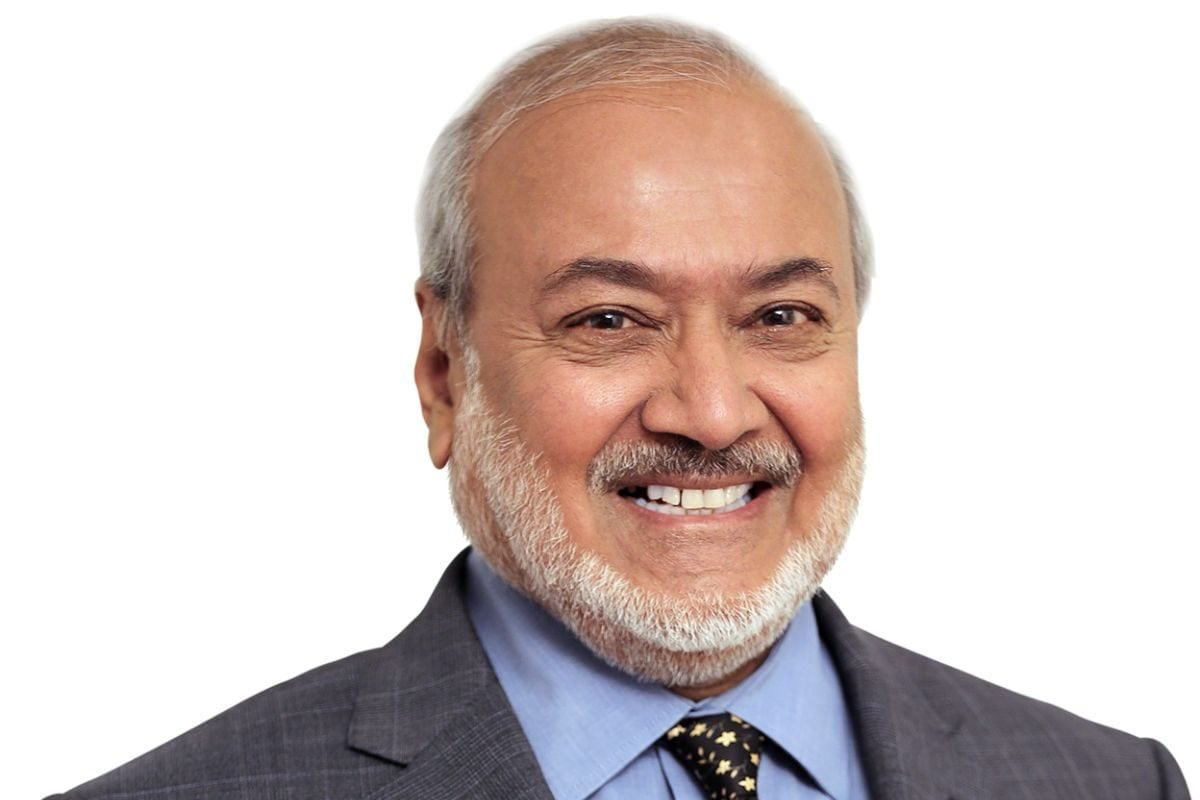
While Nafithromycin (Miqnaf) is used in the treatment of community-acquired bacterial pneumonia (CABP), Zaynich is effective against all major superbugs that have become resistant to almost all antibiotics. Nafithromycin got the DGCI nod on January 1
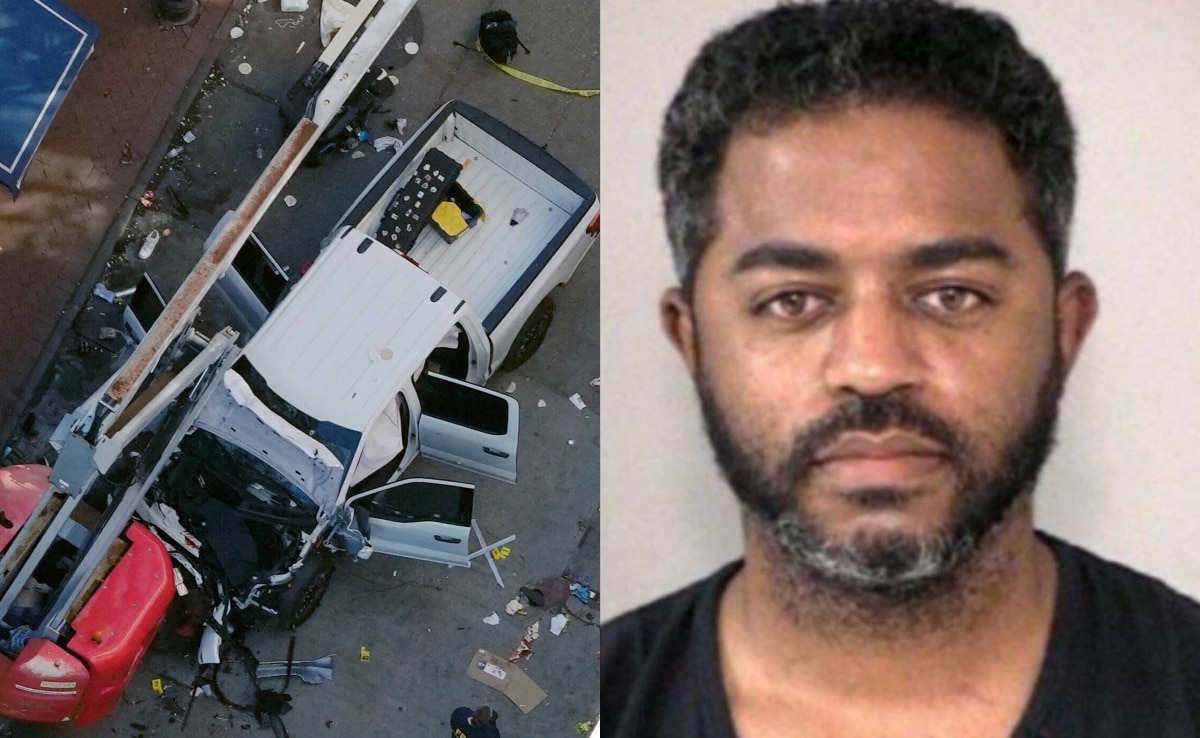
In the early hours of New Year’s Day, an attack in the US city of New Orleans left at least 15 dead and dozens injured. The suspect, identified as Shamsud-Din Jabbar, a 42-year-old US Army veteran, drove a rented pickup truck into a crowd. Jabbar, who died in a shoot-out with police, was a lone-wolf terrorist who had pledged allegiance to the terror group ISIS in online videos posted just hours before the assault, according to the FBI.
There were five videos posted on Jabbar’s Facebook account. In the first video, Jabbar said he originally planned to harm his family and friends but was concerned that the news headline would not focus on “war between the believers and disbelievers.”
This attack marked the deadliest ISIS-inspired assault on US soil since the 2016 Orlando nightclub shooting, which saw 49 people killed.
The Islamic State has not officially claimed responsibility for the New Orleans attack. Unlike coordinated terrorist cells, lone wolves like Jabbar operate independently, often inspired by extremist propaganda disseminated online. This modus operandi of lone wolves is a challenge to traditional counterterrorism strategies, which rely heavily on infiltrating networks and intercepting communications.
Lone offenders typically employ “easy-access” methods such as vehicle ramming, edged weapons, or firearms to inflict mass casualties. The Department of Homeland Security, the FBI, and the National Counterterrorism Center issued a bulletin on December 6, 2024, warning law enforcement agencies about potential lone-wolf attacks during the holiday season. Despite these warnings, the New Orleans tragedy could not be averted.
Following its territorial defeat in 2019, ISIS has shifted its focus to the digital realm, establishing what counterterrorism experts describe as a “Digital Caliphate.” This online network uses social media, encrypted messaging apps, and dark web platforms to radicalise individuals, share propaganda, and provide tactical guidance for attacks.
Investigators probing the New Orleans attack found videos Jabbar posted online just hours before the assault, pledging loyalty to ISIS and calling for violence. While his radicalisation process remains under investigation, early findings suggest he may have been influenced by online platforms where extremist content flourishes.
Social media companies have made strides in removing extremist content, but the rapid migration of such materials to encrypted platforms poses a challenge.
Jabbar was a US Army veteran with no prior known ties to extremist networks. According to authorities, his radicalisation appeared to occur relatively quickly and was likely driven by personal grievances.
This pattern mirrors other recent cases in which individuals have turned to extremist ideologies as a means of finding purpose or expressing anger. Islamic State-Khorasan (IS-K), the Central Asia-based affiliate of ISIS, has been particularly effective in leveraging online platforms to radicalise individuals.
Thomas Matthew Crooks, the man behind an assassination attempt on US President-elect Donald Trump in July last year, acted as a lone wolf. Crooks was not part of any terror group, neither were the police able to establish any connection between him and extremist ideologies.
Experts have warned that the psychological profiles of lone-actor terrorists often reveal a combination of personal instability and ideological alignment with extremist causes.