Live · Global · Independent
Live Feeds
PinkVilla
Forbes
NDTV
Hindustan Times
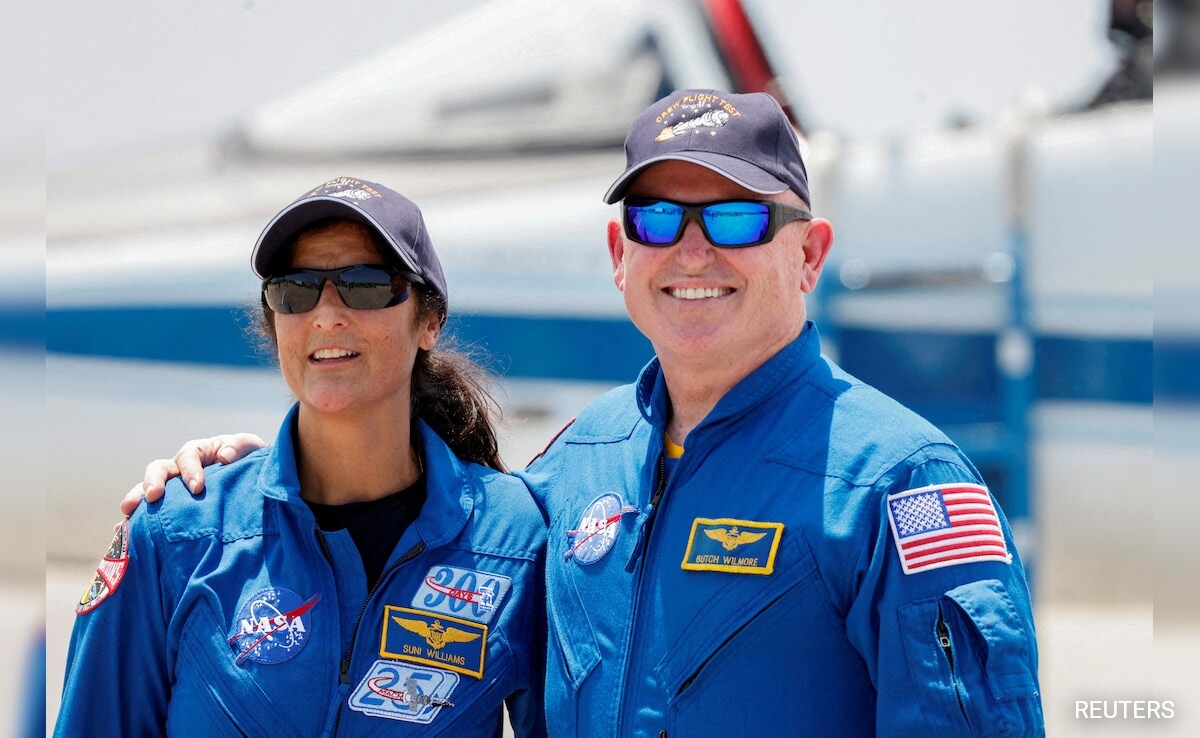
Sunita Williams, Barry Wilmore, In Space For 80 Days, To Return Next Year
onmynews.com

Sunita Williams, Barry Wilmore, In Space For 80 Days, To Return Next Year

Two NASA astronauts who flew to the International Space Station in June aboard Boeing’s faulty Starliner capsule will need to return to Earth on a SpaceX vehicle early next year, NASA said on Saturday, deeming issues with Starliner’s propulsion system too risky to carry its first crew home.

The agency’s decision, tapping Boeing’s top space rival to return the astronauts, is one of NASA’s most consequential in years. Boeing had hoped the test mission would redeem the Starliner program after years of development problems and over $1.6 billion in budget overruns since 2016.

Boeing is also struggling with quality issues on production of commercial planes, its most important products.

Veteran NASA astronauts Butch Wilmore and Sunita Williams, both former military test pilots, became the first crew to ride Starliner on June 5 when they were launched to the ISS for what was expected to be an eight-day test mission.

But Starliner’s propulsion system suffered a series of glitches beginning in the first 24 hours of its flight to the ISS, triggering months of cascading delays. Five of its 28 thrusters failed and it sprang several leaks of helium, which is used to pressurize the thrusters.

In a rare reshuffling of NASA’s astronaut operations, the two astronauts are now expected to return in February 2025 on a SpaceX Crew Dragon spacecraft due to launch next month as part of a routine astronaut rotation mission. Two of the Crew Dragon’s four astronaut seats will be kept empty for Wilmore and Williams. 

Starliner will undock from the ISS without a crew and attempt to return to Earth as it would have with astronauts aboard. 

Boeing struggled for years to develop Starliner, a gumdrop-shaped capsule designed to compete with Crew Dragon as a second U.S. option for sending astronaut crews to and from Earth’s orbit.

Starliner failed a 2019 test to launch to the ISS uncrewed, but mostly succeeded in a 2022 do-over attempt where it also encountered thruster problems. Its June mission with its first crew was required before NASA can certify the capsule for routine flights, but now Starliner’s crew certification path has been upended.

Since Starliner docked to the ISS in June, Boeing has scrambled to investigate what caused its thruster mishaps and helium leaks. The company arranged tests and simulations on Earth to gather data that it has used to try and convince NASA officials that Starliner is safe to fly the crew back home.

But results from that testing raised more difficult engineering questions and ultimately failed to quell NASA officials’ concerns about Starliner’s ability to make its crewed return trip – the most daunting and complex part of the test mission.

NASA’s decision, and Starliner’s now-uncertain path to certification, will add to the crises faced by new Boeing CEO Kelly Ortberg, who started this month with the goal to rebuild the planemaker’s reputation after a door panel dramatically blew off a 737 MAX passenger jet in midair in January.

(Except for the headline, this story has not been edited by NDTV staff and is published from a syndicated feed.)
Read full article
Why NASA Picked Elon Musk’s SpaceX To Bring Back Astronauts From Space
onmynews.com

Why NASA Picked Elon Musk’s SpaceX To Bring Back Astronauts From Space

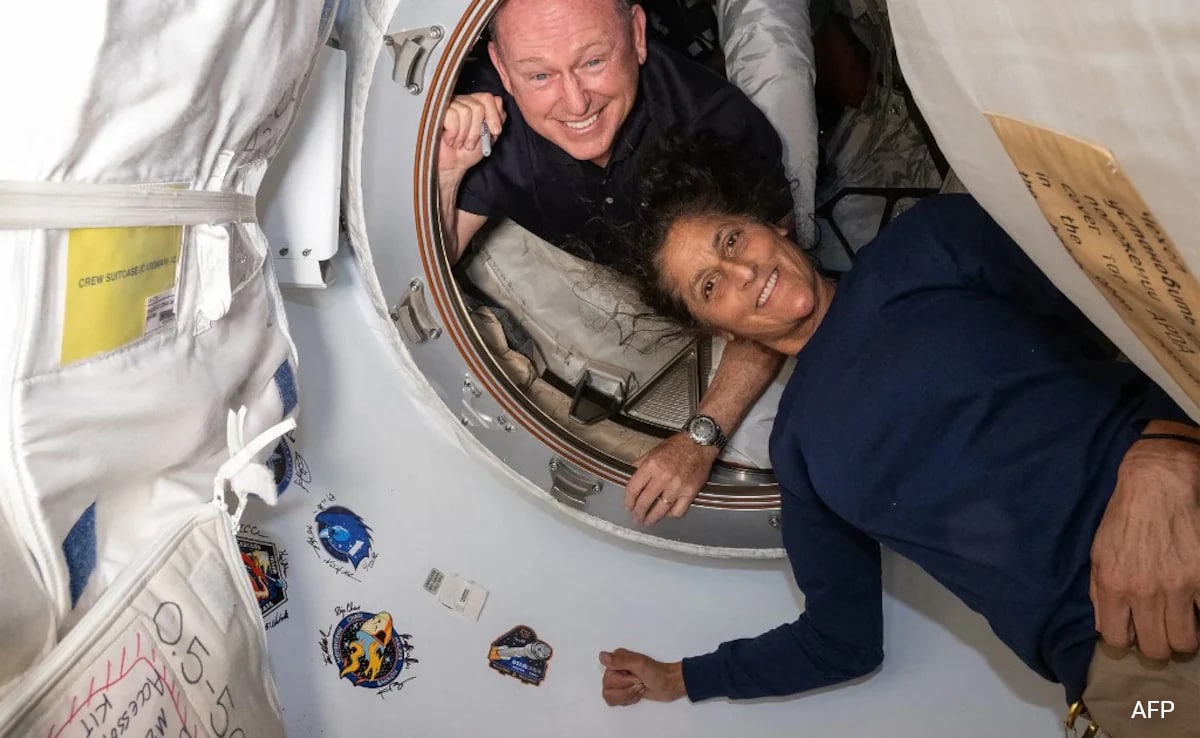
NASA today picked Elon Musk’s SpaceX to bring back Sunita Williams and Barry Wilmore from space next year. Eighty days ago, the two astronauts arrived at the International Space Station aboard Boeing’s Starliner for an 8-day mission. They were forced to extend their stay because of major technical issues with the Boeing capsule.

The astronauts are expected to return in February next year, after spending a total of eight months in orbit, on a SpaceX Crew Dragon spacecraft due to launch next month as part of a routine astronaut rotation mission.

NASA chief Bill Nelson said Starliner’s propulsion system is too risky to carry its first crew home. Starliner will undock from the ISS without a crew and attempt to return to Earth as it would have with astronauts aboard.

The space agency’s decision to pick Boeing’s top space rival marked a fresh setback to the Starliner test mission. Boeing had hoped the mission would redeem the troubled program after years of development problems and over $1.6 billion in budget overruns since 2016.

Nelson said he discussed the agency’s decision with Boeing’s new CEO Kelly Ortberg.

The SpaceX Crew-9 mission will take off in late September, but carrying only two passengers instead of the originally planned four.

It will remain moored to the ISS until its scheduled return in February, bringing back its own crew members plus their two stranded colleagues.

The veteran NASA astronauts, both former military test pilots, became the first crew to ride Starliner on June 5 when they were launched to the ISS.

Starliner’s propulsion system suffered multiple glitches beginning in the first 24 hours of its flight to the ISS, triggering months of cascading delays. Five of its 28 thrusters failed and it sprang several leaks of helium, which is used to pressurise the thrusters.

Since Starliner docked to the ISS in June, Boeing has scrambled to investigate what caused its thruster mishaps and helium leaks. The company arranged tests and simulations on Earth to gather data that it has used to try and convince NASA officials that Starliner is safe to fly the crew back home.

But results from that testing raised more difficult engineering questions and ultimately failed to quell NASA officials’ concerns about Starliner’s ability to make its crewed return trip – the most daunting and complex part of the test mission.

Read full article
‘Op aimed at forcing Moscow …’ : What Zelenskyy told TOI on Ukraine’s offensive in Russia’s Kursk region
onmynews.com

‘Op aimed at forcing Moscow …’ : What Zelenskyy told TOI on Ukraine’s offensive in Russia’s Kursk region

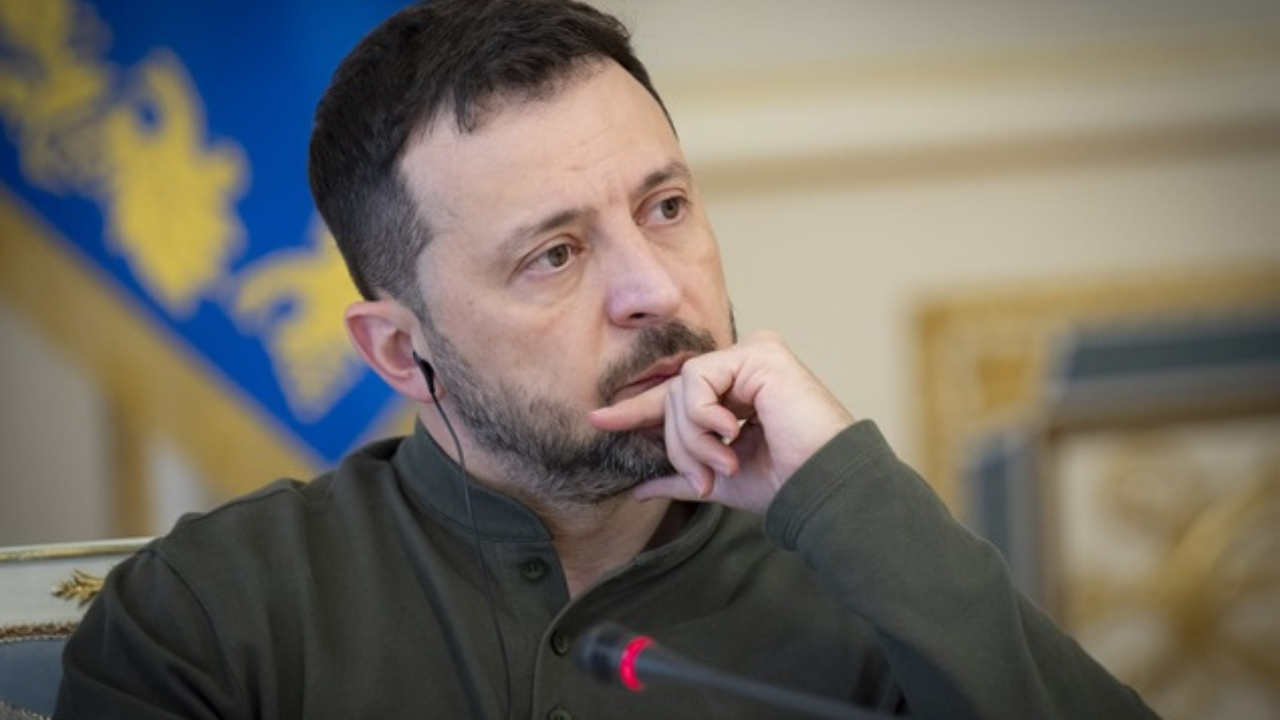
Ukrainian President Volodymyr Zelenskyy disclosed that Ukraine’s incursion into Russia’s Kursk region was part of a larger military-diplomatic operation intended to prevent Russia from capturing Sumy and push for a fair peace. Zelenskyy also discussed Ukraine’s economic recovery plans post-war, emphasizing the need for future meetings and India’s support to boost Kyiv’s economy.

Read full article
Link copied!