onmynews.com
UP Post Officer Dies By Suicide After CBI Raids, Alleges Pressure From Colleagues In Note
The Post Office Superintendent killed himself after being questioned by the CBI for hours in a corruption investigation.
The Post Office Superintendent killed himself after being questioned by the CBI for hours in a corruption investigation.
Captain America is one of Marvel Comics’ most iconic superheroes, celebrated for his bravery and unwavering moral compass. His legacy is rich and complex, encompassing everything from fighting evil forces to leading his allies with steadfast integrity. However, every hero’s journey must eventually come to an end. In this piece, we will explore Captain America’s final moments in the comics and how his departure was portrayed in the films.
Captain America’s death in the comics is a dramatic and emotional moment. It occurs in Captain America #25, written by Ed Brubaker and illustrated by Steve Epting, during the Civil War storyline. This event centers around a major conflict between superheroes over the government’s plan to register superpowered individuals. Captain America, known for his unwavering principles, opposes the Registration Act, leading to a clash with his former allies.
The story reaches a tragic climax when Steve Rogers (Captain America) is apprehended and brought to trial. On his way to court, he is ambushed by Crossbones, who uses a sniper rifle to shoot him at point-blank range. The situation becomes even more heartbreaking when SHIELD agent Sharon Carter, who had been hypnotized by the Red Skull, turns against him. Sharon Carter was not just a fellow agent but also Captain America’s former partner, adding a personal layer to his demise.
As Captain America‘s life hangs in the balance, his final words are a plea for peace. On the brink of death, he tells Sharon, “No more innocents [be] hurt.” These words reflect his enduring concern for others and his unwavering commitment to protecting the innocent, even in his final moments.
Captain America’s death in the Marvel Cinematic Universe (MCU) is depicted differently from the comics but remains deeply impactful. In Avengers: Endgame (2019), directed by Anthony and Joe Russo, Captain America, portrayed by Chris Evans, reaches a significant milestone in his journey. The film is set after Thanos’ snap, which eradicated fifty percent of all life on Earth. To reverse this catastrophe, Captain America and his team embark on a mission to restore what was lost.
In the final confrontation with Thanos, Captain America plays a pivotal role. Although he survives the battle, his involvement and the events that follow profoundly alter his character. After the fight, Steve Rogers chooses to return the Infinity Stones to their rightful places in time, a decision that means he must live through all those years. This act leads to a poignant and fitting conclusion to his arc.
In both the comic books and the Marvel Cinematic Universe (MCU), Captain America’s final moments highlight his integrity and enduring legacy. In the comics, his death is a dramatic and tragic event, marked by an intense assassination attempt that resonates deeply with fans due to its emotional weight and personal connections. In contrast, the MCU presents a more contemplative and peaceful conclusion. Captain America’s decision to retire rather than seek a dramatic exit offers a thoughtful and serene ending.
Both portrayals underscore that Captain America’s finale embodies justice and sacrifice. Whether through the dramatic storytelling of the comics or the cinematic narrative of the MCU, Captain America remains a beacon of hope and a reminder of the core values he has always represented.
ALSO READ: From Dark to I Am Not Okay With This: Top 10 Netflix Shows To Binge-Watch if You Are a Stranger Things Fan
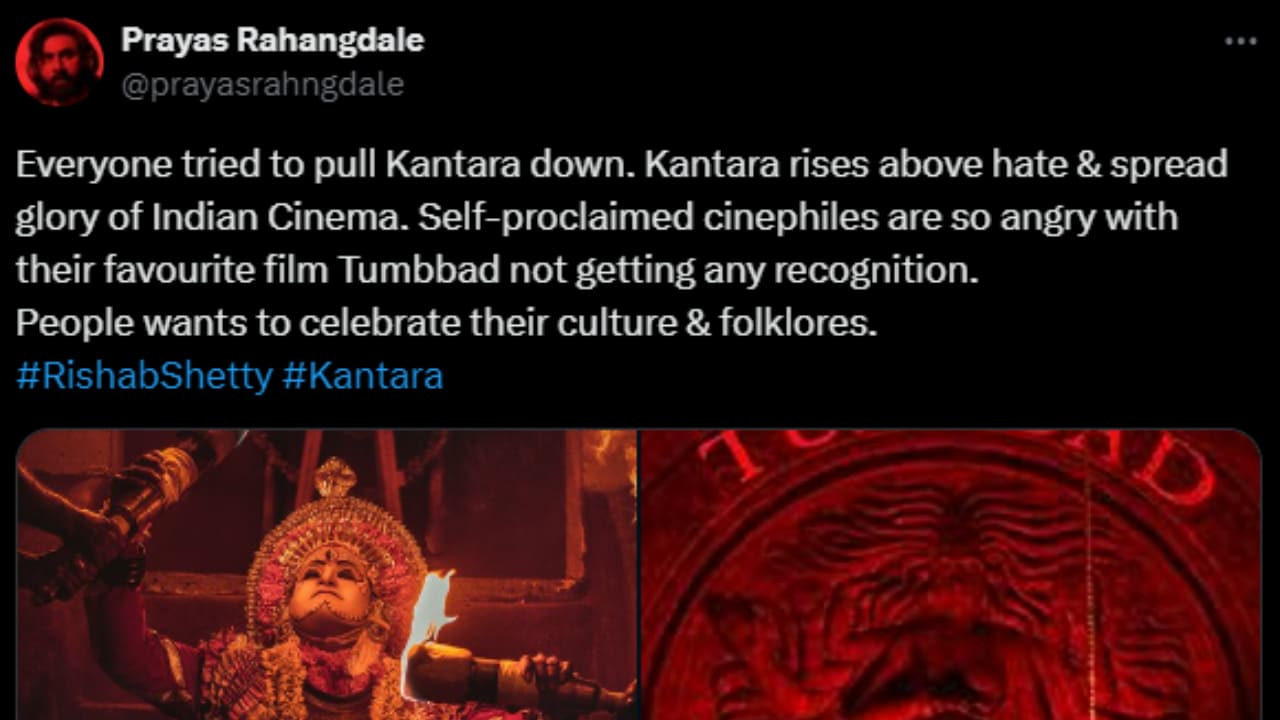
Rishab Shetty, the National Award-winning actor, has expressed his criticism of Bollywood films, stating that they portray India negatively. While promoting his upcoming production on MetroSaga, the Kantara star shared his thoughts on the matter.
Talking more on the same, the actor said, “Indian films, in particular Bollywood movies, show India in a bad light. My nation, my state, my language is my pride. I want to show India on a positive note and that’s what I’m trying to do.”
The remarks made by Rishab Shetty against Bollywood cinema come after the actor bagged the Best Actor award at the 70th National Awards of India. His comments have surely made an impact on people, with some criticizing him for the same.
Check out some reactions by netizens:
Moreover, the actor-director is actually involved in the works of Kantara Chapter 1. In an exclusive report, we had learned that the makers are gearing up for the film’s 4th schedule shoot. Our sources indicate that this upcoming phase is expected to kick off in the last week of August and will feature a significant action sequence. It’s anticipated that this schedule will be executed on a large scale, promising to be a visual delight.
The upcoming film, which is the second in the Kantara series, will serve as a prequel to the original movie. It will also delve into a historical period, uncovering the rich lore during the time of the Kadamba empire.
The actor had recently bagged the National Award for the film’s first installment called Kantara, where he played dual characters. The movie’s exploration of action and mythological fantasy presented a spellbinding experience for many people, leading to the film’s popularity.
The upcoming film installment hasn’t released a full cast list yet, but Rishab will be taking on the lead role as well as directing. Additionally, the production team has decided to keep Ajaneesh Loknath on board as the music composer.
Furthermore, the actor is currently promoting the movie Laughing Buddha which is bankrolled by him. The movie has Pramod Shetty in the lead role.
ALSO READ: WATCH: Jr NTR spotted with injured hand alongside wife Pranathi at Hyderabad airport; heading for a recovery break?