The US military is taking new steps to protect its troops in the Middle East as concerns mount about attacks by Iran-backed groups, and it is leaving open the possibility of evacuations of military families if needed, officials told Reuters.
The measures include increasing US military patrols, restricting access to base facilities and hiking intelligence collection, including through drone and other surveillance operations, officials say, speaking on condition of anonymity.
The US military is also beefing up monitoring from guard towers on US military facilities, hiking security at base access points and increasing operations to counter potential incoming drones, rockets and missiles, the officials say.
The new package of force protection measures have not been previously reported.
“With the increase in the number of attacks and attempted attacks on US military locations, continuous review of our force protection measures is critical,” US Army General Michael “Erik” Kurilla, head of US Central Command, said in a statement to Reuters.
Kurilla, who oversees American forces in the Middle East, said the steps are already taken to increase force protection measures, as well as the deployment of additional US military assets to the region in recent days, “has prevented more serious casualties of our forces in theater.”
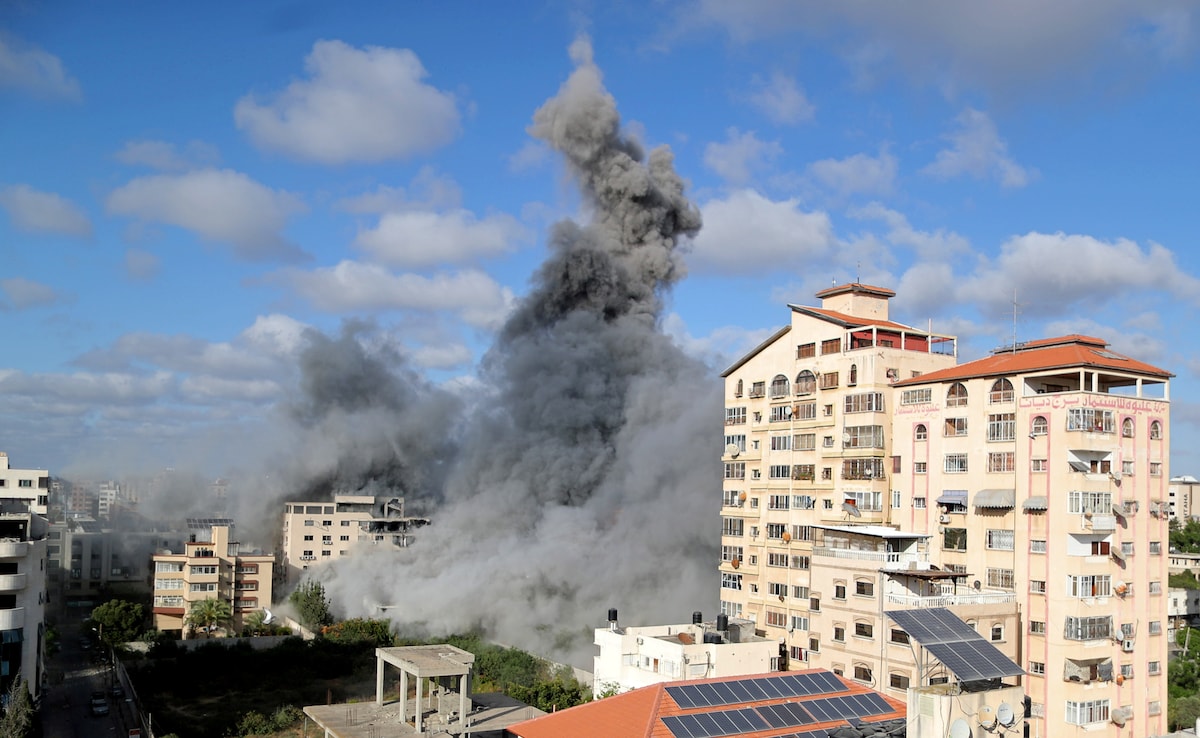
US forces in Iraq and Syria have been repeatedly targeted since the Israel-Gaza conflict began on October 7. The attacks have caused minor injuries to four US service members so far and five US military contractors, all of whom returned to duty, one of the officials said.
Last week off the coast of Yemen, a US warship shot down more than a dozen drones and four cruise missiles fired by Iranian-backed Houthis.
The heightened tensions have put US personnel on constant alert. During a false alarm at Al-Asad air base in Iraq on Thursday, a civilian contractor died from cardiac arrest.
A US military official, speaking on condition of anonymity, did not specifically say what might trigger the evacuation of US military families, who are deployed to Middle East locations including Bahrain, home to the US Navy’s Fifth Fleet.
“We continuously review and should we think the threat is rising to a level that threatens the dependents of our service members in the (region), we will err on the side of caution,” the official told Reuters.
Senior Biden administration officials including Defense Secretary Lloyd Austin have warned of the risk of major escalation in attacks on American troops in the Middle East and that Iran could seek to widen the Israel-Hamas war.
“We see a prospect for much more significant escalation against US forces and personnel in the near term and let’s be clear about it, the road leads back to Iran,” a senior defense official told Pentagon reporters on Monday.
Austin has ordered new air defenses to the Middle East to safeguard troops, including a Terminal High Altitude Area Defense (THAAD) system.
The United States has also sent warships and fighter aircraft to the region to try to deter Iran and Iran-backed groups, including two aircraft carriers.
The Pentagon has said it has not seen a direct order from the highest levels in Iran to carry out the attacks. But White House spokesperson John Kirby said it was clear that Iran was facilitating them.
“We know that Iran is closely monitoring these events, and in some cases actively facilitating these attacks and spurring on others who may want to exploit the conflict for their own good for Iran,” Kirby said on Monday.
Iranian security officials told Reuters Iran’s strategy was for Middle East proxies like Hezbollah to pursue limited strikes on Israeli and US targets but to avoid a major escalation that would draw in Tehran.