Live · Global · Independent
Live Feeds
PinkVilla
Forbes
NDTV
Hindustan Times
China’s Biggest Antarctic Fleet Sets Off To Build Fifth Research Station
onmynews.com

China’s Biggest Antarctic Fleet Sets Off To Build Fifth Research Station

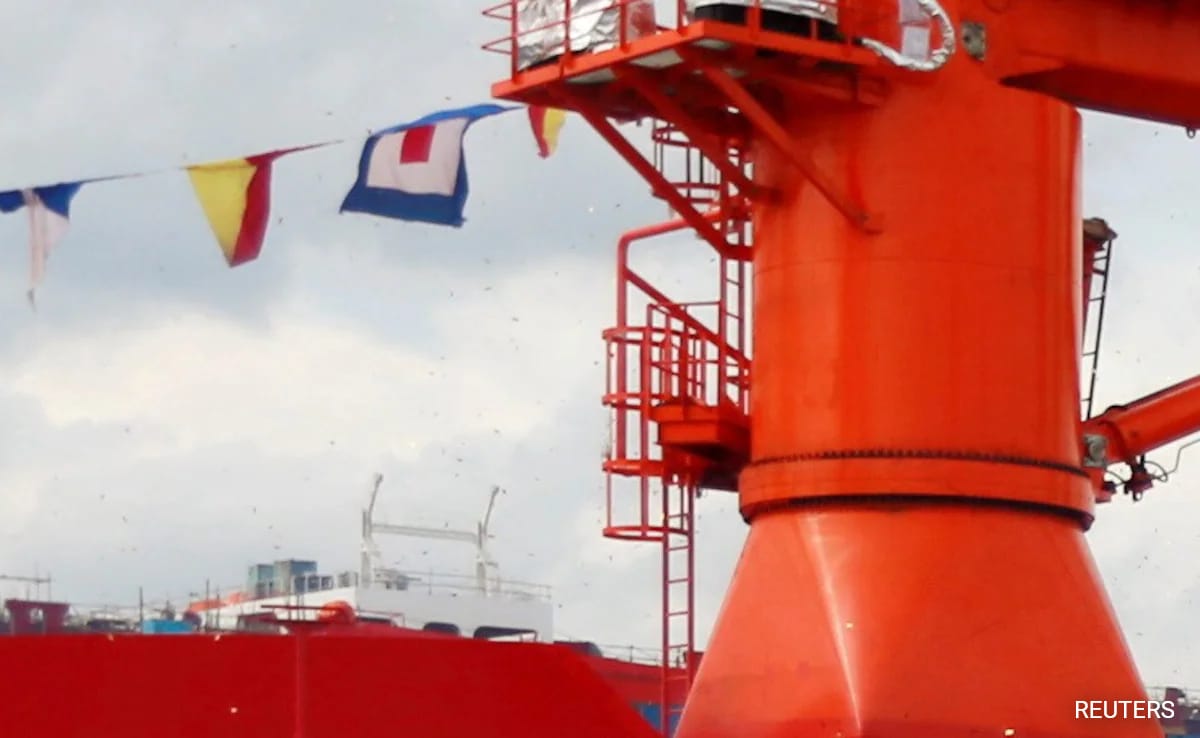
Two Chinese icebreaker research vessels and a cargo ship set sail today for the Antarctic with more than 460 personnel on board to help complete construction of China’s fifth station on the world’s southernmost continent.

China’s biggest flotilla of research vessels deployed to the Antarctic will focus on building the station on the rocky, windswept Inexpressible Island near the Ross Sea, a deep Southern Ocean bay named after a 19th century British explorer.

Work on the first Chinese station in the Pacific sector began in 2018. It will be used to conduct research on the region’s environment, state television reported.

China has four research stations in the Antarctic built from 1985 to 2014. A U.S.-based think tank estimated the fifth could be finished next year.

The facility is expected to include an observatory with a satellite ground station, and should help China “fill in a major gap” in its ability to access the continent, the Center for Strategic and International Studies (CSIS) said in a report this year.

The station is also well situated to collect signals intelligence over Australia and New Zealand and telemetry data on rockets launched from Australia’s new Arnhem Space Centre, it said.

China rejects suggestions that its stations would be used for espionage.

The two icebreakers, Xuelong 1 and Xuelong 2, the name means “Snow Dragon” in Chinese, set sail from Shanghai with mostly personnel and logistics supplies on board.

The cargo ship “Tianhui”, or “Divine Blessings”, taking construction material for the station, set off from the eastern port of Zhangjiagang.

The five-month mission will include a survey on the impact of climate change.

The two icebreakers will also conduct environmental surveys in the Prydez Bay, the Astronaut Sea in southeast Antarctic, and in the Ross Sea and Amundsen Sea in the west.

The mission, China’s 40th to the Antarctic, will also cooperate with countries including the United States, Britain, and Russia on logistics supply, state media said.

Read full article
Parliamentary Committee On IT May Summon Apple Over ‘Hacking’, Say Sources
onmynews.com

Parliamentary Committee On IT May Summon Apple Over ‘Hacking’, Say Sources

A parliamentary panel on information technology is likely to summon Apple Inc officials over the iPhone notifications row, sources said today. The controversy was triggered yesterday by opposition leaders alleging they received alerts from Apple indicating their devices could have been the targets of state-sponsored attacks.

The issue will be raised in the next meeting of the parliamentary standing committee on IT, sources said. The Opposition MPs are also likely to ask questions during the meeting, sources said.

Union Minister Rajeev Chandrasekhar had brushed off Opposition concerns about iPhone hacking yesterday.

“It is election season and people will pull all sorts of things from a hat,” he told NDTV in an exclusive interview. “Many people have got this notification in many countries,” Mr Chandrasekhar told NDTV, but seconded his boss Ashwini Vaishnaw’s comments about the need for an investigation.

Multiple opposition MPs, also including Congress leaders Pawan Khera and Shashi Tharoor, AIMIM chief Asaduddin Owaisi, and the Aam Aadmi Party’s Raghav Chadha, posted screenshots of messages and emails they received from Apple on X, formerly Twitter.

The centre has said it expects Apple to clarify several matters, including whether its devices were secure and why these “threat notifications” were sent to people in over 150 countries.

Mr Chandrasekhar in a post on X said Apple has repeatedly claimed their products are designed for privacy, but the centre will investigate the “threat notifications” and also Apple’s claim of being secure and making privacy-compliant devices.

Responding to the claims of hacking alert, Apple yesterday said it “does not attribute the notifications to any specific state-sponsored attacker”. The iPhone manufacturer also said “it is possible that some Apple threat notifications may be false alarms”.

In a brief statement drawn from its technical support page, Apple said “state-sponsored attackers tend to be very well-funded and sophisticated… detecting such attacks relies on threat intelligence signals that are often imperfect and incomplete.”

“It is possible some notifications may be false alarms or that some attacks are not detected,” the company said.

Read full article
“Shark Had His…” Says Witness, Search On For Surfer’s Body: Australia
onmynews.com

“Shark Had His…” Says Witness, Search On For Surfer’s Body: Australia

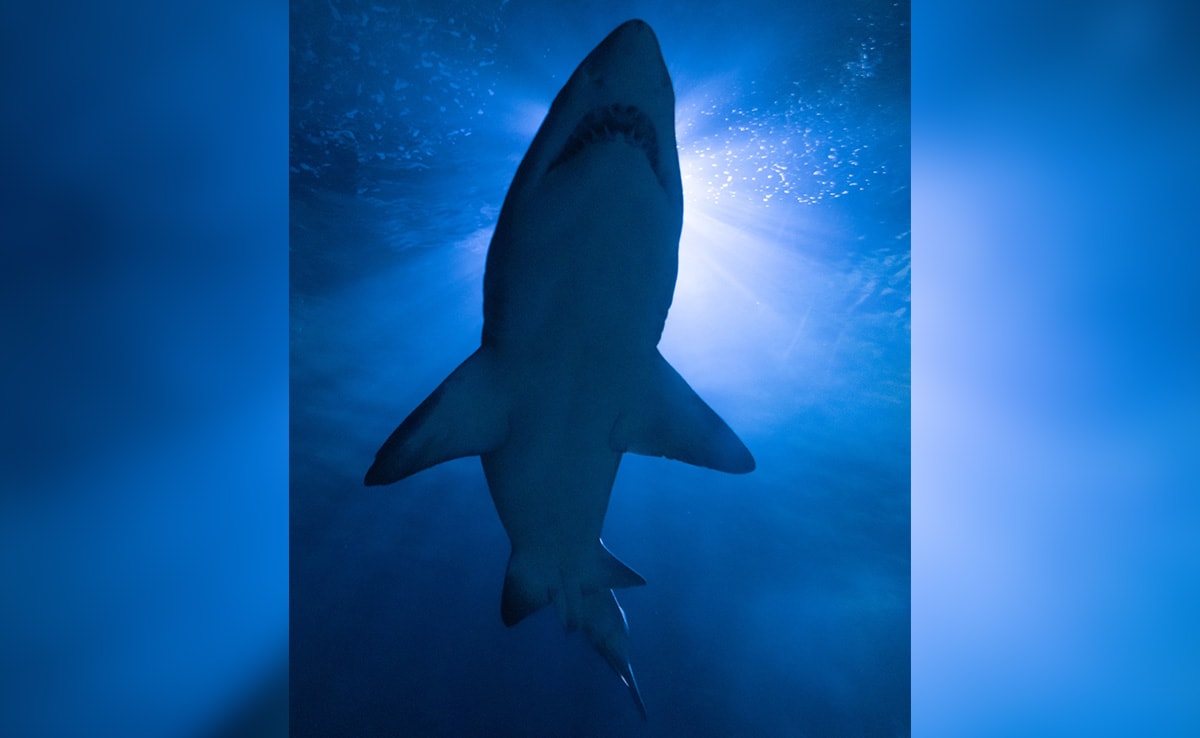
Australian authorities searched today for the remains of a 55-year-old surfer after a witness reportedly saw an attack by a large shark that “had his body in his mouth”.

There has been no trace of the victim since the marine predator struck Tuesday morning near the popular surfing spot of Granites Beach in South Australia, police said.

“The man’s body is yet to be found and the search resumed early this morning,” police said in a statement.

A 70-year-old surfer at the scene when the attack happened, Ian Brophy, said he was about to enter the water when someone yelled: “Shark!”

“As I turned around, I saw the shark go and just launch and bite,” he told Adelaide’s The Advertiser newspaper.

Brophy said he saw the predator go “over the top of the guy and bite and drag him down under the water and then nothing for a minute or two and blood everywhere and then up pops the board”.

“I saw him in the wave and the shark had his body in his mouth — it was pretty gruesome,” he said.

Within a few minutes, there was no sign of the surfer’s body.

“It took every bit of him, I think.”

Jeff Schmucker, a local resident, told national broadcaster ABC that he used his jet ski to help emergency services search for the surfer.

Schmucker said he went to the area of the attack and soon saw a great white shark “the length of a sedan car” — but he could not be sure if it was the killer.

Great white sharks are known to prowl South Australia’s coastline.

A teacher was mauled to death in May about 120 kilometres (75 miles) from the site of Tuesday’s attack.

The number of shark bites has increased over the past four decades due to factors such as human population growth and climate change, according to shark expert Charlie Huveneers from Flinders University.

As oceans get warmer, ecosystems are being forced to adapt and sharks may be following their prey and moving closer to shores, where they are more likely to come into contact with humans.

Huveneers told AFP that sharks sometimes attack humans because they mistake them for their usual prey, but also due to curiosity, hunger, self-defence and aggression.

Read full article
Link copied!