Live · Global · Independent
Live Feeds
PinkVilla
Forbes
NDTV
Hindustan Times
What’s Behind Latest Covid Spike? Experts On Whether It’s Time To Mask Up
onmynews.com

What’s Behind Latest Covid Spike? Experts On Whether It’s Time To Mask Up

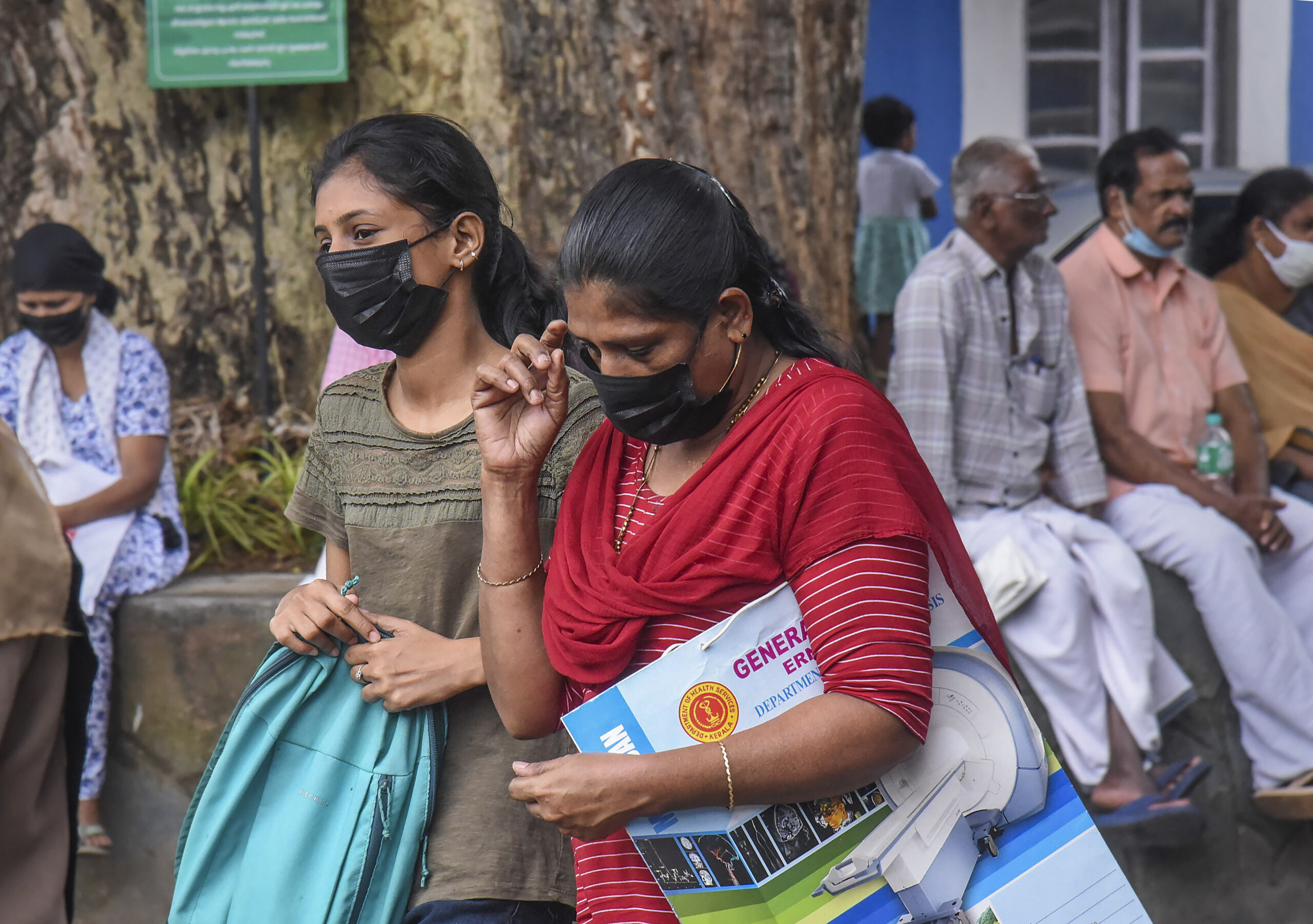
A rise in daily Covid case counts and several states issuing mask advisories have brought back grim memories of the pandemic that locked us indoors and wrapped us in fear for two years. A total of 358 Covid cases have been reported across the country in the past 24 hours, 300 of them in Kerala. Six people died due to Covid-related complications during this period. The country has 2,669 active cases of Covid, according to the Union Health Ministry.

The daily Covid count of 614 cases reported yesterday, the highest since May, set off alarm bells. This spike in infections is driven by a Covid variant named JN.1.

The World Health Organization has classified JN.1 as a ‘variant of interest’ but said that evidence currently available suggests that it does not pose a major risk. “Despite this, with the onset of winter in the Northern Hemisphere, JN.1 could increase the burden of respiratory infections in many countries,” WHO said in a post on X.

Dr Soumya Swaminathan, former WHO chief scientist, spoke to NDTV on the latest round of spike in Covid infections. She cautioned against dismissing Covid as a common cold, not just because of people who fall severely ill, but because of the disease’s long-term effects.

Asked about 30% of pneumonia cases in Kochi hospitals turning out to be Covid positive and the likelihood of this being replicated in other parts of India, she said, “We’ve been through this many times before, as you know, over the last four years. This is what we expected and this is what the WHO had talked about.”

“We’re seeing a new variant, the JN.1, which is a sub-variant of Omicron. So hopefully it behaves like Omicron, which was relatively mild. But what happens is that every new variant gets some properties of being more transmissible. It is able to evade or avoid the antibody responses that we already have in our system. And therefore it is able to create these waves of infection where it infects people who’ve already been infected before,” she explained.

For people comparing newer variants of Covid with the common cold, Dr Swaminathan had a warning: “It’s very different from the common cold, not just because of people getting severely ill with acute Covid pneumonia, but also because of the long-term effects of Covid.

“And I think we have enough data now from around the world to know that people who have suffered from Covid and, particularly those who have repeat infections, are more likely to get, for example, heart attacks, strokes, diabetes, dementia, depression, mental health problems, prolonged fatigue and muscle pain… inability to go back to their usual state of functioning,” she said.

Dr Swaminathan added, “So I would say let’s not take it lightly. If you can avoid the infection, much better to avoid it than to get it and risk the after-effects of long Covid.”

Dr Rajeev Jayadevan, Co-Chairman of the National Indian Medical Association Covid Task Force, told NDTV that vaccines may have helped keep Covid at bay since the last wave, but a concern arises when a variant is markedly different.

“For example, JN.1 is not like a one-step ahead variant. This is a multi-step ahead variant. We call it the saltation event in genetics, which basically means a pile of mutations suddenly occurring at one go,” he said.

On masking up, he advised, “I would say if you are trapped in a situation where it’s ventilated, closed, crowded, you feel the air is still and there are people around you, it’s safer to wear a mask. If you are travelling in a vehicle with multiple people who you don’t know, wear a mask or at least roll your windows down.”

Dr Swaminathan said the symptoms of the JN.1 variant are fever, cough, loss of smell and loss of taste. She also pointed to persistent high fever, breathing difficulties, fatigue, inability to eat and a tendency to vomit as the warning signs.

Dr Swaminathan recommended masking up in a crowded place if people are vulnerable to infections and also stressed that people who are sick should wear a mask to protect others. For the vulnerable population, she recommended using pulse oximeters.

Determined to not let the guard down, the Union Health Ministry held a high-level review of the situation in India and preparations to tackle any spike caused by the new Covid variant.

Health Minister Dr Mansukh Mandaviya said it is “important to be alert and prepared against new and emerging strains of the COVID-19 virus”. He asked all states to remain alert, step up surveillance and ensure adequate stock of medicines, oxygen cylinders and other supplies.

The administration of Chandigarh, meanwhile, has issued an advisory, asking people to wear mask in crowded and closed settings and to practise hand hygiene amid the spike in Covid infections.
Read full article
Opposition MPs Protest Over Mass Suspension, Hold March From Parliament
onmynews.com

Opposition MPs Protest Over Mass Suspension, Hold March From Parliament

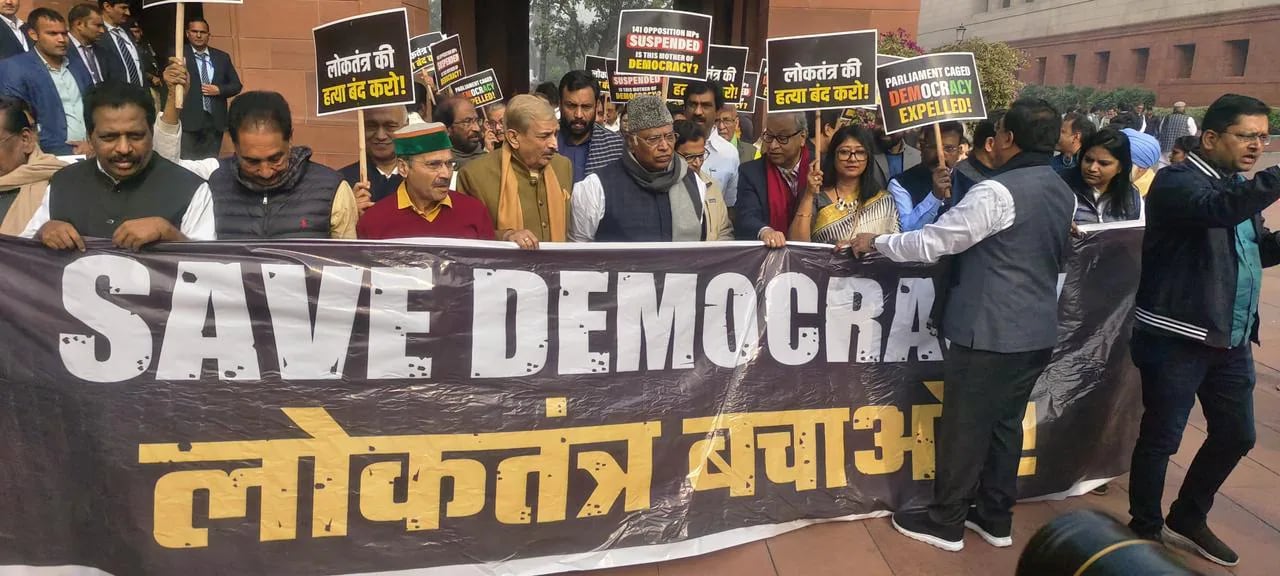
Opposition lawmakers suspended from the Lok Sabha and Rajya Sabha over this week and last took out a protest march Thursday morning from the old Parliament building to Vijay Chowk in central Delhi – about a kilometre apart – carrying a large “Save Democracy” banner, and placards “Opposition MPs Suspended! Is This The End of Democracy?” and “Parliament Caged, Democracy Expelled!”

The protest comes amid a bitter row between some of the opposition and the ruling BJP over the expulsion of more than 140 MPs for “unruly conduct”, referring to loud and persistent demands the government answer for the security breach in Parliament last week. The breach was on the 22nd anniversary of a terror attack on the old building, in which nine people were killed.

Prime Minister Narendra Modi and Home Minister Amit Shah were called on to make formal statements but declined, citing national security concerns. They did, though, speak to the media.

At today’s protest was Congress chief Mallikarjun Kharge accused the BJP – which yesterday passed three new criminal laws after most of the opposition was ejected – of not having faith in democracy.

READ | Criminal Bills Passed In Lok Sabha With Most Opposition MPs Suspended

“We wanted to raise Parliament security breach. We are repeatedly requesting Lok Sabha Speaker, Rajya Sabha Chairman to allow us to speak on security breach,” Mr Kharge also told reporters.

“PM Modi, Home Minister should have spoken in the House on security breach… (but) PM spoke elsewhere and did not turn up in Lok Sabha, Rajya Sabha,” the veteran Congress leader said.

The government has refused to discuss the breach, except to say it is being investigated. Lok Sabha Speaker Om Birla, whose office is responsible for security, has said the full report will be available to opposition MPs, but they are insistent either Mr Modi or Mr Shah address Parliament on this issue.

The Prime Minister spoke to a newspaper this week in what were his first public comments.

READ | “Very Serious, We Need To Know Who’s Behind This”: PM On Parliament Breach

Since the protests began 143 opposition MPs have been suspended from what Parliament’s final full sitting before next year’s general election. Their strength is now less than a third of what it was.

The confrontation over the security breach and the expulsions have been added to by another over Trinamool MP Kalyan Banerjee’s mocking of Rajya Sabha Chair Jagdeep Dhankhar.

READ | PM Did It Too, Says Trinamool MP, Defending Jagdeep Dhankhar Mimicry

Mr Banerjee has apologised but the BJP has pounced to up its attacks on the protesting MPs, accusing them of disrespect towards Mr Dhankhar, who is also Vice President of India.

READ | “Entire Modi Ecosystem Galvanised On So-Called Mimicry Non-Issue”: Congress

The Congress has responded by declaring the “entire Modi ecosystem” had been activated to spotlight Mr Banerjee’s actions while the BJP’s Prathap Simha, whose office issued visitor passes to the Parliament intruders remains a MP and has not been questioned so far.

READ | BJP MP Who Facilitated Intruders’ Entry Not Questioned Yet: Congress

Meanwhile, Mr Kharge – one of a handful of opposition MPs not yet suspended – also told reporters that members of the INDIA bloc will stage a second protest at the Jantar Mantar n Friday.

Read full article
Big Change In Parliament Security After Breach: CISF Replaces Delhi Police
onmynews.com

Big Change In Parliament Security After Breach: CISF Replaces Delhi Police

Access to the Parliament complex – a particularly high-profile issue after last week’s security breach – will now be guarded by the Central Industrial Security Force, or CISF, the government said in a notification issued Wednesday.

The CISF will displace Delhi Police, which will continue to protect the exterior perimeter – as the agency in charge, and will take over all related responsibilities, including frisking entrants.

Security within the complex will continue to be the responsibility of the Lok Sabha Secretariat.

The change will be enforced after a detailed security survey of Parliament, interior and exterior, that was ordered by the Home Ministry, and follows a security breach last week.

According to the CISF website, the force provides “integrated security cover to sensitive public sector undertakings”. At present it guards over 350 such locations, including airports and nuclear facilities.

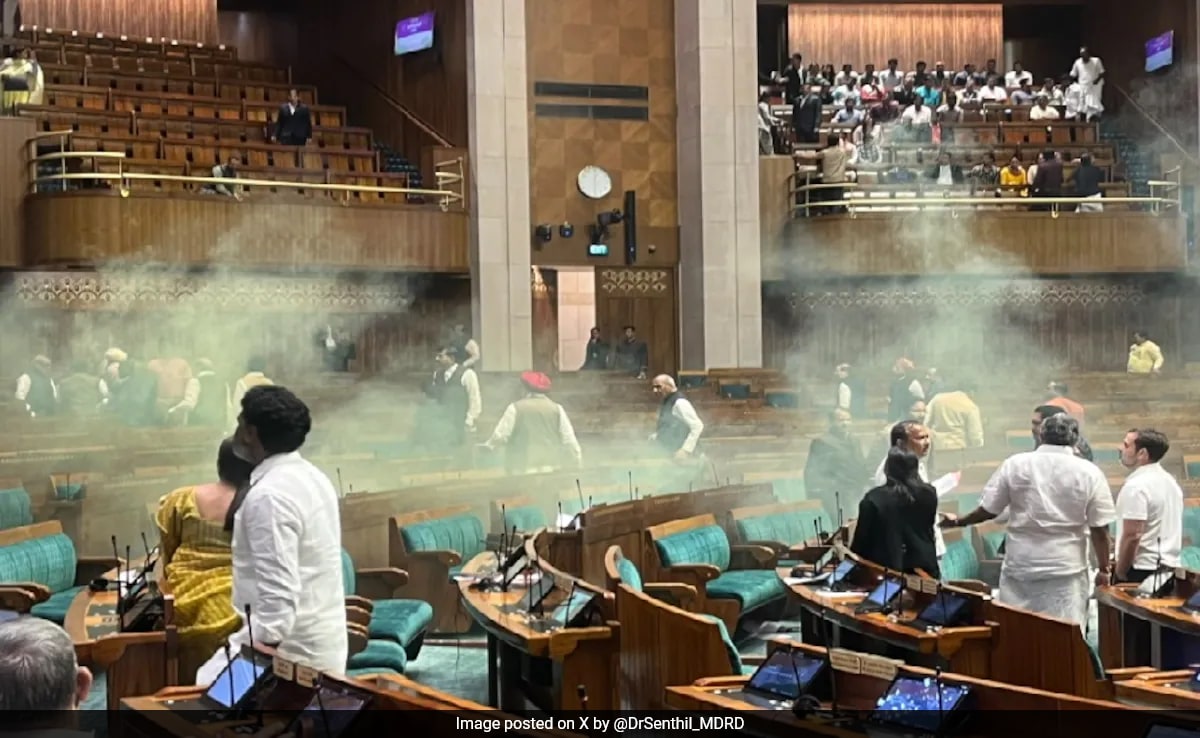
On December 13 two men gained access to the Lok Sabha’s visitor gallery via passes issued by a BJP MP’s office, and popped yellow smoke canisters inside the chamber, triggering a massive security scare. These were slipped past Delhi Police’s physical checks in cavities cut into custom-made shoes.

Two others – a man and a woman – opened red and yellow smoke cans outside the complex.

All four have been arrested and are being interrogated by Delhi Police. Two others, including the alleged mastermind, are also in custody, but the entire incident has led to a massive political row, with the opposition demanding answers from Prime Minister Narendra Modi and his government.

Hours after the security scare, the government had announced tightening of protocols for entry into the Parliament complex, barring visitors and non-essential staff. Separate entrances were allotted for MPs and their staff members, while press (temporarily banned) were given a third gate.

Visitors, when allowed again, must enter from a fourth gate.

In addition, the visitors’ gallery will be encased in glass to stop people from jumping into the House chamber, and body scan machines – similar to those in airports – will also be installed.

Read full article
Link copied!