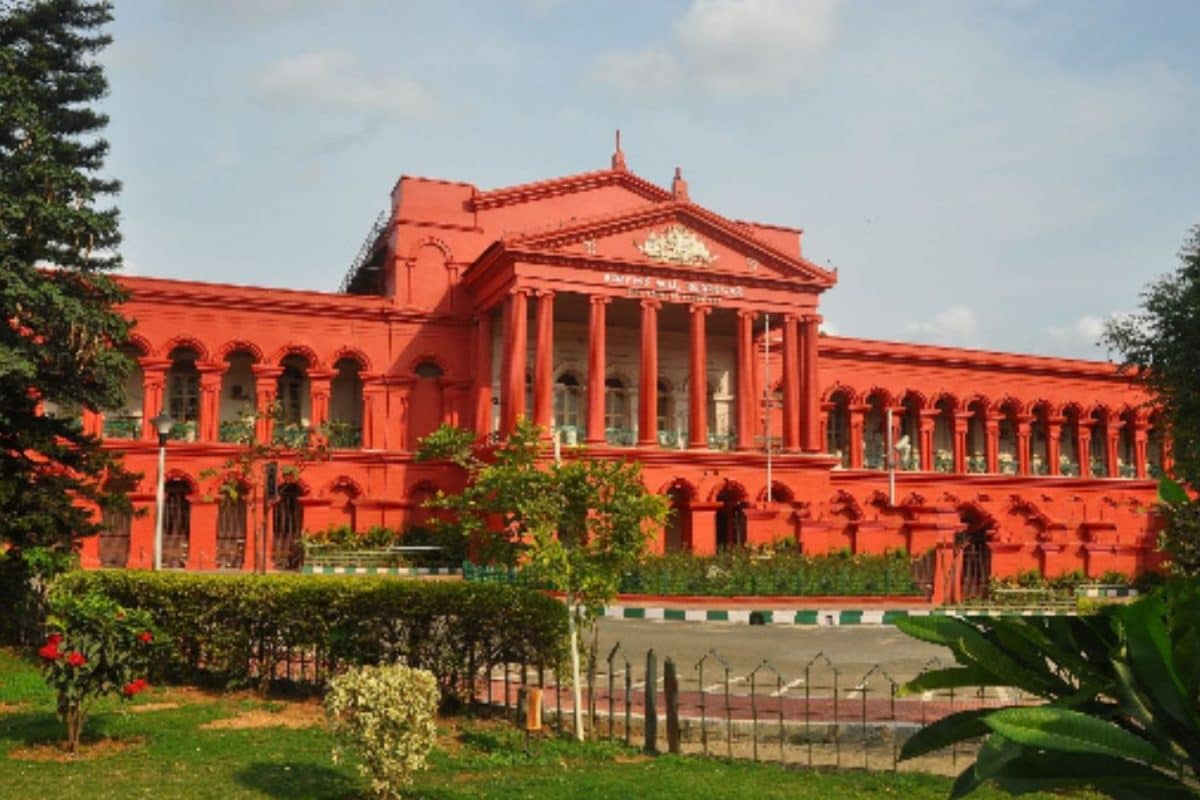
Karnataka High Court Stays ED Action Against Embassy Group Chairman In PMLA Case
The court ordered that all consequential proceedings arising from the ECIR, including coercive steps by the ED, shall remain stayed until the next date of hearing
The Kerala Film Producers’ Association recently released a list of Malayalam films that hit theatres in 2025, complete with their reported commercial performance. What was meant to be an industry update has quickly turned into a flashpoint, drawing sharp criticism from filmmakers, actors and audiences alike.
A List That Sparked a Storm
One of the earliest voices to question the list was Anuraj Manohar, director of Narivetta, which stars Tovino Thomas. The filmmaker took to social media asking why his film was missing from the document and demanded clarity on the criteria used to compile it. His post opened the floodgates, with netizens and industry insiders scrutinising the accuracy and intent behind the classification of films as superhits, hits or otherwise.
The controversy only intensified when actor Nivin Pauly weighed in during a press conference held to promote his upcoming film Sarvam Maya. Addressing reporters, Nivin said that publishing such a list was unnecessary and unprecedented. According to him, cinema is a business like any other and every year will naturally see a mix of profit and loss. He argued that there was no reason to put those figures out in public, especially at a time when the Malayalam industry is trying to evolve and attract fresh investment.
Nivin added that making commercial verdicts public in this manner could do more harm than good, as it risks creating a negative perception among potential investors and partners. His statement has since been widely shared, with many agreeing that transparency should not come at the cost of damaging the ecosystem.
Confusion Over Hits, Superhits and Missing Films
Adding to the uproar is the way the association has categorised the year’s releases. Only a small number of films have been labelled as superhits and hits, leaving the majority outside these brackets. This has triggered heated online debates, especially over the classification of certain high-profile titles.
A key point of contention is the treatment of Eko and Empuraan. Social media users are questioning why Eko has been listed merely as a hit even though it reportedly earned higher net profits than Empuraan, which the list describes as a superhit. For many, this discrepancy has raised doubts about whether the parameters used were consistent or even reliable.

Equally puzzling is the absence of Sumathi Valavu from either the hit or superhit categories. The film enjoyed a healthy run in theatres and generated strong word of mouth, making its omission all the more glaring. Fans and trade observers have since demanded an explanation from the association, arguing that incomplete or selective reporting only erodes trust.
The backlash has also revived a broader conversation about Nivin Pauly’s own recent career trajectory. While several of his films over the past few years have struggled at the box office, many of them have been critically appreciated. In this context, his comments are being read not as defensive but as a plea for a more nuanced understanding of success, one that goes beyond financial labels.
As the debate rages on, the Kerala Film Producers’ Association has yet to issue a detailed clarification on how the list was prepared or why certain films were excluded. Until then, the document is likely to remain a sore point, serving as a reminder that in an industry built on collaboration, public scorecards can easily backfire.
Also Read: Nivin Pauly, Mohanlal and Pranav Spark a Social Media Frenzy With Surprise Jet Photos

Couture drama followed in May, when Padukone travelled to Sweden for a Cartier high jewellery event. Against the stillness of the Stockholm forest, she appeared in a striking red Ashi Studio gown from the designer’s Fall/Winter 2022–23 couture collection. Crafted in dyed angora or mohair, the off-shoulder silhouette featured a plush, bunched-up texture and a subtle train. She paired the gown with a monumental Cartier necklace from the house’s En Équilibre high jewellery collection. This piece is a diamond statement centred around a sapphire and finished with delicate diamond studs. Her softly waved, slicked-back hair and bronzed makeup, punctuated with a muted red lip, allowed the jewellery and gown to lead.

Back home in Mumbai, Padukone embraced understated traditional elegance at the WAVE Summit 2025. She chose a beige ethnic ensemble from House of Masaba. The muted outfit spoke in quiet tones. The straight-cut kurta with full sleeves featured intricate embroidery along the neckline, sleeves and front. This was paired with relaxed salwar pants detailed with embroidered cuffs. A sheer dupatta with delicately finished borders completed the look, reinforcing her preference for refined craftsmanship over pointless drama.

Her role as a global fashion ambassador of Louis Vuitton came into sharp focus at their Fall/Winter 2025 showcase in Paris. She fit into textbook Hollywood glamour as she posed against the dramatic setting of the Étoile du Nord atrium near the Eiffel Tower. Padukone embodied a modern edge. Wearing a white oversized blazer dress from Louis Vuitton’s Cruise 2025 collection, she once again leaned into 1950s-inspired power dressing. Dramatic shoulders, a double collar and jet-black leggings created a strong monochrome moment. She accessorised with an oversized hat, black gloves and an LV bag that fused the maison’s classic codes with a rebellious biker energy.

That balance between global luxury and Indian heritage continued at a Swadesh event, where Padukone wore an Anamika Khanna creation that reimagined traditional textiles for the present day. The ensemble featured handwoven Navratan Patan Patola paired with airy mulmul floral detailing and a Banarasi border. The look was crafted by master artisan Bhawar Singh. It celebrated slow fashion and Indian craftsmanship while maintaining a contemporary fluidity. Styled by Priyanka Kapadia and paired with Apala by Sumit jewellery, the ensemble reinforced Padukone’s role as a cultural bridge between heritage and modernity.

Her appearance at the Formula 1 Abu Dhabi Grand Prix was rather fresh. Padukone opted for a warm-toned sheer maxi dress by Magda Butrym. The high neckline, fluid skirt and subtle ruching at the waist created an elongated silhouette. The look was layered effortlessly with an oversized brown aviator leather jacket. Accessories remained minimal with just the right amount of luxury. She styled the earthy ensemble with an LV monogram side-trunk bag, oversized sunglasses, black boots and stacks of Cartier bracelets. Soft brown eye makeup, golden highlighter and berry-pink lips completed the look with ease.

For a Dhurandhar date night, Padukone stepped out in a structured black jacket with gold buttons layered over a sleek black top. High-waisted, wide-leg dark denim jeans and pointed black heels added balance. For her glam she went with softly waved hair that framed her face. This served as proof that her minimal looks are just as considered as her couture appearances.
