Exclusive: Abeer and Rohansh Pandit on Alpha Jatin-Lalits Legacy Lata Mangeshkar and More

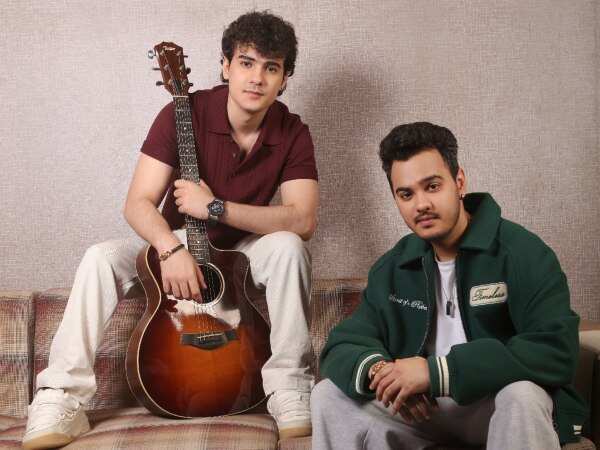
For Abeer Pandit and Rohansh Pandit, music has been a part of their lives since childhood. The sons of Lalit Pandit, one half of the celebrated composer duo Jatin-Lalit, they grew up in and around recording studios, film sets and music sessions. Their childhood memories include visiting Yash Raj Films sets and watching their father work.
Years later, they found themselves returning to the same YRF world, this time as composers for their first film, Alpha.
The duo made their debut as film composers with the Alia Bhatt and Sharvari starrer. In this conversation, Abeer and Rohansh talk about stepping into their own professional careers, the unexpected connection between War 2 and Alpha, growing up with Jatin-Lalit’s music around them, and more.
Excerpts:
When did you first find yourselves drawn to music?
Rohansh Pandit: It traces back to our childhood, when we first walked into our music studio and became a part of recording or sitting sessions that Dad used to have. We grew up in a very musical atmosphere. It’s also been very family-like because the people who worked with Dad through Dilwale Dulhania Le Jayenge have also been part of Alpha’s album. Somewhere in those moments, Abeer and I found a love for music, and ever since, there’s been no looking back. We’ve been lucky to have Dad as our musical mentor.
Abeer, you were an assistant director on War 2 before moving into music composition with Alpha. Tell us about that journey…
Abeer Pandit: My Alpha journey started with me being an assistant director on War 2. What bridged the two things for me is the love for films and music. Seeing stars like Hrithik Roshan, Jr NTR Sir and Ayan Mukerji do what they do motivated me. I learnt to be a team player from War 2. You need to know each and every department so that you can be a helping hand in it, and also understand your creative field. The jump from War 2 to Alpha was something even I didn’t see coming within the same spy film universe.
Tell us about how you built the musical world of Alpha and the singers you collaborated with.
Abeer: While working on War 2, I learned that there was another spy film being made, tentatively titled Agni. Months later, when we got to know that we were composing music for Alpha, I told Rohansh that I might know the title of it. That’s when the whole Agni title track came into place with “Tu Hi Toh Agni Hai Re”. In retrospect, if I wasn’t an AD, maybe that part wouldn’t be there. It’s crazy how that was a full-circle moment for me.

Rohansh: The process has been elaborate and incredible. We’ve had the opportunity to collaborate with incredible and seasoned artists like Vishal Dadlani, and also work with somebody who is sitting in Birmingham and working on his own songs, Sahib Samra, whom Abeer happened to stumble across on Spotify. It’s been about working with legends as well as upcoming and promising new artists across the sector. We also had a wonderful session with Alia and Sharvari while recording Massacre. They are two of the finest actors we have.
Did you have any preconceived notions that changed once you started working on a film professionally?
Rohansh: Since we’d already seen our dad work on films, we had a little bit of an idea about how the music and movie business works. But once you start working, it’s always a different experience. The biggest learning for me was understanding that film music is not just about making a great song. It’s about the story. You have to understand the characters, the world, the emotion and what the director wants the audience to feel, and find the right musical language for that.
Jatin-Lalit were one of the biggest musical duos in the Hindi film industry. What was it like growing up in that environment?
Rohansh: I used to love going to the sets where Dad’s movies were being made. Understanding what was happening, with so many people working towards one vision, was fascinating. One of my earliest memories was being at Yash Raj Films and going to Dad’s set. The energy that YRF had is something that stayed with me and made me want to do what we do.
The majority of Jatin-Lalit’s work was already done by the time we were growing up, but I have faint memories of the making of Fanaa’s music. We found Dad’s old recording cassettes in which he was recording ideas for Chaand Sifarish and other songs. Later on, when Dad was doing films like Dabangg, we visited those sets. But the most special moment for us has been the full-circle moment when he got to visit the sets for Alpha at YRF.

What kind of advice or guidance did you receive from him?
Abeer: The only advice Dad always gives us is to be honest and not be scared of taking risks. If your instinct and gut are feeling right about something, just do it because that’s the only thing you can rely on. Music in itself has a lot to do with instinct and what you’re feeling. If you’re happy with what you’ve done, the audience will feel the emotion that you wanted them to feel.
Your father was also very close to the Mangeshkar sisters. Growing up, do you have any memories with Lata Ji or Asha Ji?
Abeer: I remember meeting Asha Ji at Shanmukhananda Hall a few years ago. By that time, Rohansh and I were making music. We sought her blessings. The whole Mangeshkar family has known us since my grandfather’s time. But with Lata Ji, I only remember having one telephonic conversation with her on Diwali because Dad used to always call her on Diwali.
Rohansh: Dad called Asha ji just before Alpha and asked her to come to the screening. She said that she’d be there, but unfortunately that could not happen. And what Lata Ji means to my dad can be understood from one small ritual. Every morning, when we come in for our riyaaz, he takes the blessings of our grandparents, whose portraits are there, and there’s a small picture of Lata Ji right beside them. So, he’s sure that we get her blessings as well just before we start our riyaaz.
When it comes to making music in Bollywood, how would you say things have changed compared to your father’s era?
Abeer: The time it takes to make music has reduced. Earlier, you had live instruments, a different way of mixing them and a limited number of tracks. Now, the possibilities are almost infinite. You can send the track to someone who’s on the other side of the globe and communicate with them. There are also many more tools to create music, from different sounds, sample packs, vocal chops, and AI.
Rohansh: The biggest change is the pace and technology. In my dad’s time, making a film song was a much more organic, collaborative process. Musicians, arrangers and singers spent a lot of time together in the studio, with a lot of emphasis on live musicianship and melody. Today, you can experiment with sounds from anywhere in the world, build an entire production inside a computer and keep refining something much more quickly. The audience has changed as well. Music reaches people instantly through streaming and social media, so the feedback loop is much faster. But I don’t think the fundamentals have changed.

Which actor do you feel is the most musically gifted?
Rohansh: Diljit Dosanjh, who’s an artist himself and an incredible performer. Somebody like Ayushmann Khurrana, who sings his own songs and has an ear for melodies, can also add musically to the albums that they work on. These guys have one foot in the music industry as well. It’s such a big asset to be able to do both and have both as a part of your creative identity.
Which singer from your father’s era do you wish you had the chance to work with?
Abeer: In those times, the music that was made needed a more open voice. We’ve had the chance to grow up listening to Udit Ji, Kumar Sanu Ji, Abhijeet Uncle, Sonu Uncle, Alka Ji and Shankar Mahadevan.
Rohansh: We have spent a lot of time with these legends in the studio because we’ve been working with them all through the years. We’ve been lucky to be touring with Shaan, who’s incredibly gifted with his connection with the audience. The love that he’s gained and the impact that he’s had with his music reminds you that you’re doing something so special. He’s definitely a big factor in why Abeer and I would love to go up on stage one day.
If you had to pick three actors you’d love to work with, who would be on your wishlist?
Rohansh: Every creative person has this name on their list: Shah Rukh Khan. What Dad has done with him has become so iconic. We’d definitely be looking forward to working with him one day. Through the years, we’ve been lucky to meet him on different occasions. He’s on the bucket list. Another is Ranbir Kapoor. He has been so impactful to our generation. He’s an incredible actor and has great music in his list of films. It would be an honour to contribute to that list.
Abeer: The third one has to be Hrithik Roshan. We’d love to do a film with him where we can provide music.
Also Read: Alpha OTT Release: Here’s When and Where You Can Watch Alia Bhatt and Sharvari’s Film
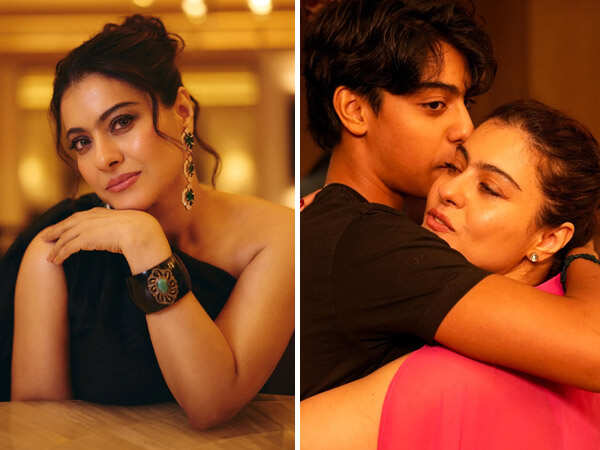
 That Kajol shares an affectionate bond with her younger son, Yug Devgn is given! Often called a “mama’s boy” by fans, Yug is frequently spotted sharing warm and candid moments with the family at public outings and festivals. And her affection often highlights their close relationship through several touching details. On the occasion of his 16th birthday, Kajol shared a loving Instagram post that demonstrated her deep and warm mother-son bonding