Live · Global · Independent
Live Feeds
PinkVilla
Forbes
NDTV
Hindustan Times
Israel Says It Would “Exact Price From Iran” When Time Is Right: 10 Points
onmynews.com

Israel Says It Would “Exact Price From Iran” When Time Is Right: 10 Points

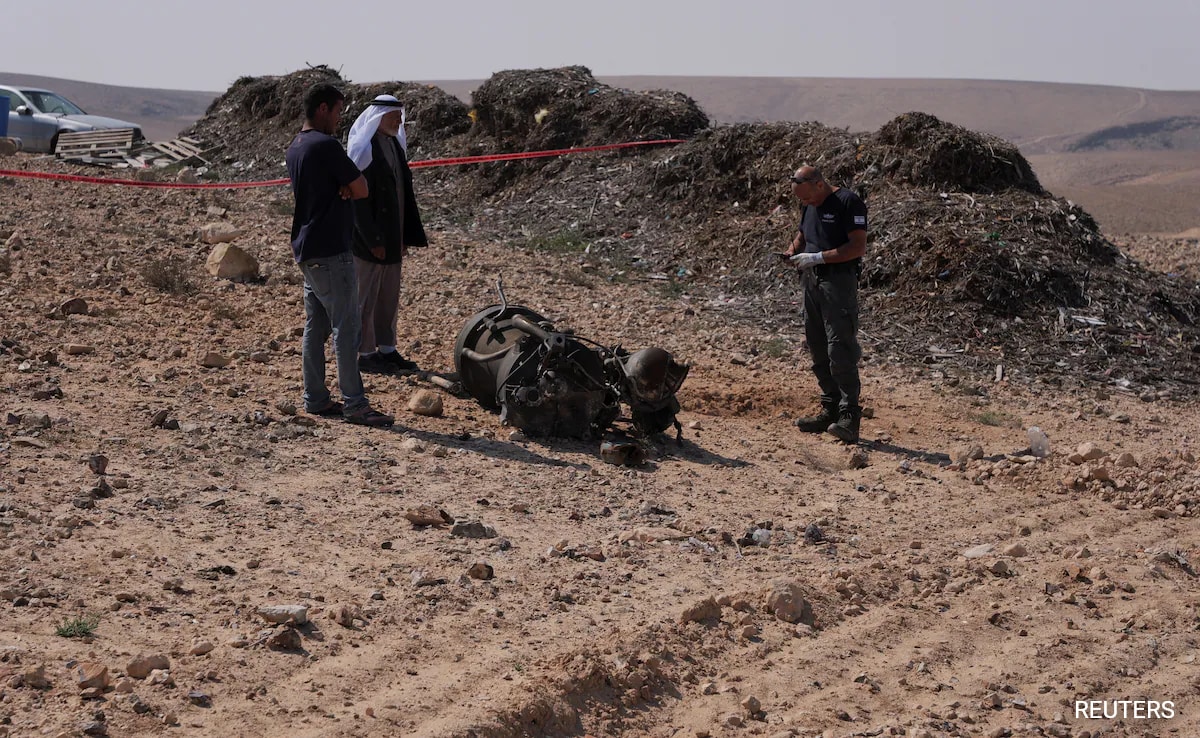
Iran’s envoy to the United Nations said that the Islamic Republic is exercising its “inherent right to self-defence” in response to what it perceives as Israeli aggression. The attack on Israel, according to Iran, was a necessary and proportionate response to the destruction of its consulate building in Damascus, an act widely attributed to Israel.
Gilad Erdan, Israel’s representative to the United Nations, called upon the Security Council to impose all available sanctions on Iran. Additionally, G7 leaders earlier said they were ready to “take further measures” in response to “destabilising initiatives”.
Iran has warned Israel against responding militarily. “The matter can be deemed concluded,” Iran’s mission to the United Nations said. “However, should the Israeli regime make another mistake, Iran’s response will be considerably more severe.”
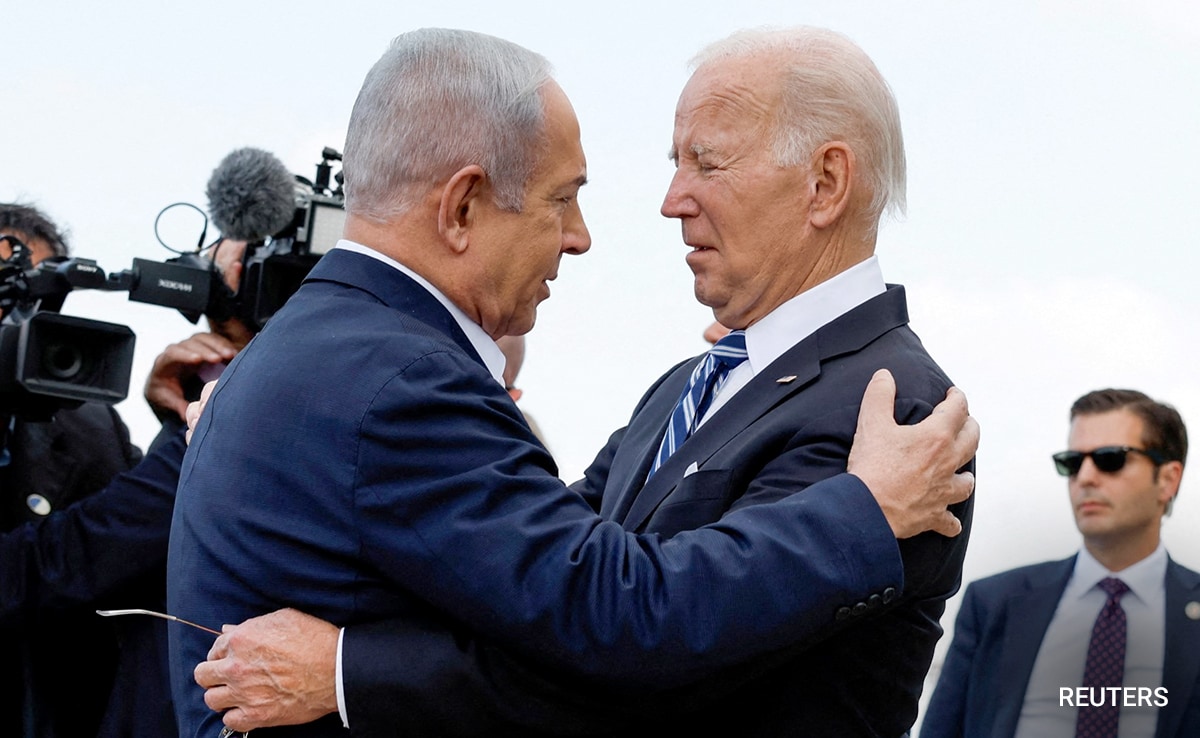
A high-ranking US official said that President Joe Biden has told Israeli Prime Minister Benjamin Netanyahu that Washington would not provide military backing for any retaliatory actions against Iran. “We would not be a part of any response they do,” the official said, as quoted by news agency AFP. “We would not envision ourselves participating in such an act.”
Biden said on Sunday that American forces assisted Israel in intercepting the majority of the drones and missiles launched by Iran. Additionally, Biden announced his intention to convene with other G7 leaders to strategise a diplomatic reaction to Tehran’s actions.
Israel’s military announced that Israel, along with the United States, Britain, France, and other allies, had formed a “coalition” for the first time to respond to Iran’s unprecedented attack. “Together we thwarted Iran’s attack… This was the first time that such a coalition worked together against the threat of Iran and its proxies in the Middle East,” said IDF spokesperson Rear Admiral Daniel Hagari in a televised statement.
Iranian Foreign Minister Hossein Amir-Abdollahian said that Tehran had provided advance notice to the United States prior to the attack, following a 72-hour notification period for neighbouring states. Before the attack, Iran had seized a vessel linked to Israel in the Gulf, heightening tensions throughout the region.
India said that the escalating tensions in the region must be resolved through “dialogue & diplomacy”. “We call for immediate de-escalation, exercise of restraint, stepping back from violence and return to the path of diplomacy. We are closely monitoring the evolving situation… It is vital that security and stability are maintained in the region,” the foreign ministry said in a statement.
External Affairs Minister S Jaishankar held a telephonic discussion with his Israeli counterpart Israel Katz, expressing India’s apprehensions regarding the developments stemming from the hostilities. “Just concluded a conversation with Israel FM @Israel_katz. Shared our concern about the developments yesterday. Discussed the larger regional situation. Agreed to stay in touch,” Mr Jaishankar posted on ‘X’.
UN Secretary-General Antonio Guterres urged the international community against further escalation into conflict as he spoke before the Security Council yesterday. “Neither the region nor the world can afford more war,” Guterres said. “The Middle East is on the brink.”
Read full article
Iran-Israel LIVE: At UN, Israel Urges “All Possible Sanctions” Against Iran
onmynews.com

Iran-Israel LIVE: At UN, Israel Urges “All Possible Sanctions” Against Iran

Iran-Israel Conflict LIVE Updates: Israel’s UN envoy on Sunday urged the Security Council to impose “all possible sanctions” against Iran after the Islamic republic’s unprecedented attack against Israel.

“Today the council must take action (and) condemn Iran for their terror,” Ambassador Gilad Erdan told the body, calling on countries to “impose all possible sanctions on Iran before it’s too late.”

Iran’s United Nations envoy told the Security Council Sunday that the Islamic republic was exercising its “inherent right to self-defense” in its unprecedented attack on Israel. 

“The Security Council… failed in its duty to maintain international peace and security” after Israel’s apparent strike on an Iranian consulate in Damascus earlier this month, Amir Saeid Iravani said. 

Therefore, Tehran “had no choice” but to respond, he said, adding that his country does “not seek escalation or war,” but will respond to any “threat or aggression.”
 

Here are the LIVE updates on Iran-Israel Conflict:

Read full article
Explained: How US Helped Counter Iran’s Attack On Israel
onmynews.com

Explained: How US Helped Counter Iran’s Attack On Israel

Iran’s unprecedented attack on Israel with hundreds of drones and missiles marked the culmination of a tense two weeks in which Washington engaged in whirlwind efforts to prepare for the expected violence.

American aircraft and planes downed dozens of drones and missiles when Iran launched the attack on Saturday, after Tehran repeatedly threatened to hit back in response to an Israeli strike on its consulate in Damascus that killed two top officers at the beginning of the month.

Senior US officials detailed the role Washington played — both militarily and diplomatically — in countering the attack:

– Iranian attack –

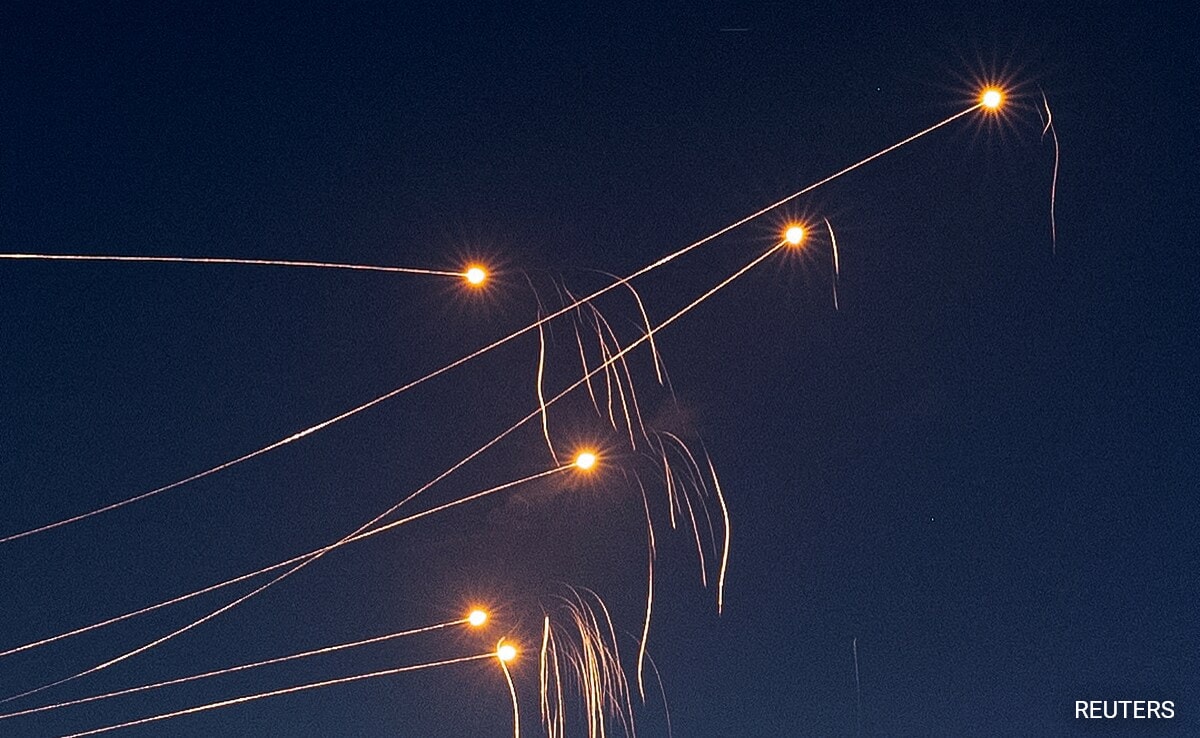
Iran launched a barrage of more than 100 medium-range ballistic missiles, more than 30 land-attack cruise missiles and more than 150 attack drones at Israel, a senior US military official said.

Two American warships — the USS Arleigh Burke and the USS Carney — destroyed between four and six ballistic missiles, while US aircraft shot down more than 70 Iranian drones, the military official said.

A Patriot missile battery also shot down a ballistic missile that was headed toward Israel in the area of the northern Iraq city of Arbil.

President Joe Biden spent Saturday evening receiving real-time updates in the Situation Room at the White House as the attack unfolded.

“At one point, we knew there were over 100 ballistic missiles in the sky” and “the results of the defenses of course were unclear until all was said and done,” a senior administration official said, describing the tense atmosphere.

– The catalyst –

Israel carried out a strike on Iran’s consulate in Damascus on April 1, killing seven Revolutionary Guards including two generals and prompting warnings from Tehran that it would respond.

Top US officials were pulled aside and informed of details about the strike during a visit by the Israeli ambassador and defense attache at the White House, the senior administration official said.

“We were not a part of that strike” but “we knew that that would have repercussions,” the official said.

A few days later, Biden instructed the government “to defend Israel to the maximum extent possible” and to ensure that all necessary authorities and assets were in place to do so — a directive that sent officials into action.

– US preparations –

Ahead of the attack, US officials including Secretary of Defense Lloyd Austin and Secretary of State Antony Blinken were in “constant, ongoing, continuous contact” with the Israelis, as well as with other countries in the Middle East.

General Erik Kurilla, the head of the US military command responsible for the region, was dispatched to the region and provided real-time updates as well as coordinating with the Israelis and other partners.

The United States was in touch with Iran as well, sending “a series of direct communications through the Swiss channel,” the senior administration official said.

Washington also deployed additional military assets to the region “to bolster regional deterrence efforts and increase force protection for US forces,” a US defense official said last week.

– What comes next? –

The US goal since the start of the latest round of conflict between Israel and Hamas six months ago has been to prevent it from spiraling into a broader regional conflict, and Washington is keen to lower the temperature in the region.

“We would not be a part of any response they do,” the senior administration official said of possible Israeli action after the attack. “We would not envision ourselves participating in such an act.”

Israel has meanwhile “made clear to us they’re not looking for a significant escalation with Iran,” but “a big question is not only whether, but what Israel might choose to do,” the official said.

(Except for the headline, this story has not been edited by NDTV staff and is published from a syndicated feed.)

Read full article
Link copied!