Live · Global · Independent
Live Feeds
PinkVilla
Forbes
NDTV
Hindustan Times
Construction Halted, Buses Restricted: Stricter Anti-Pollution Measures In Delhi
onmynews.com

Construction Halted, Buses Restricted: Stricter Anti-Pollution Measures In Delhi

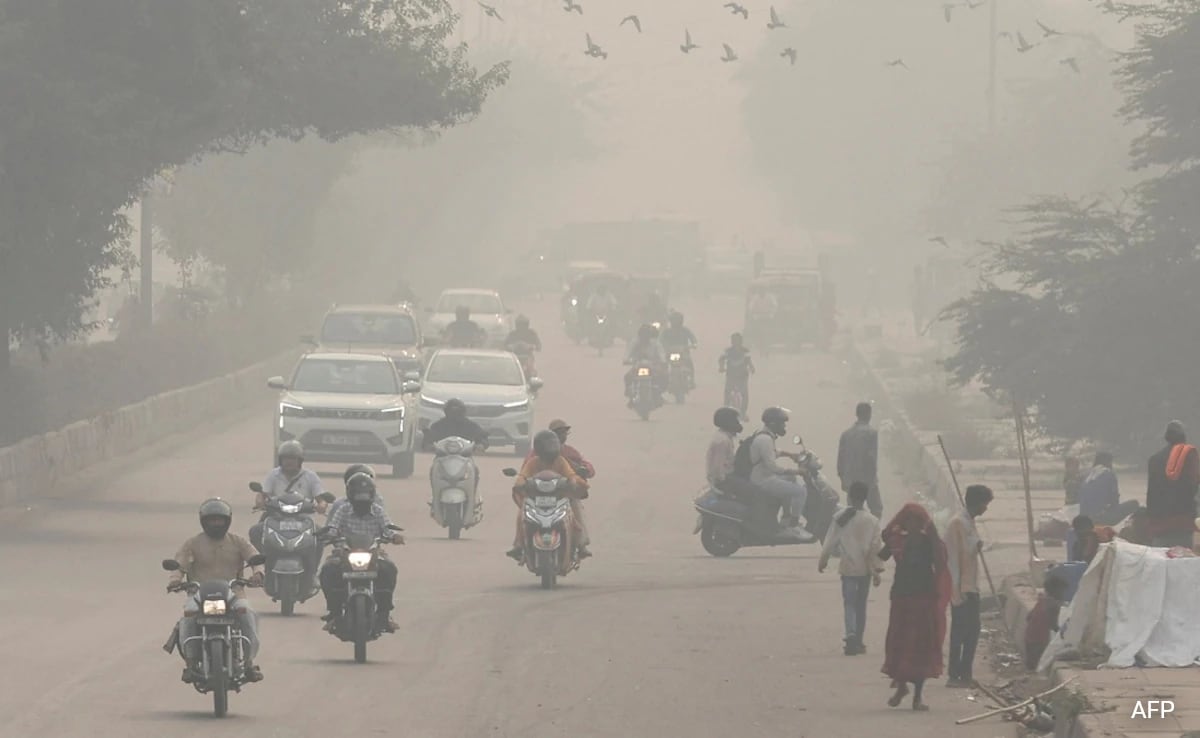
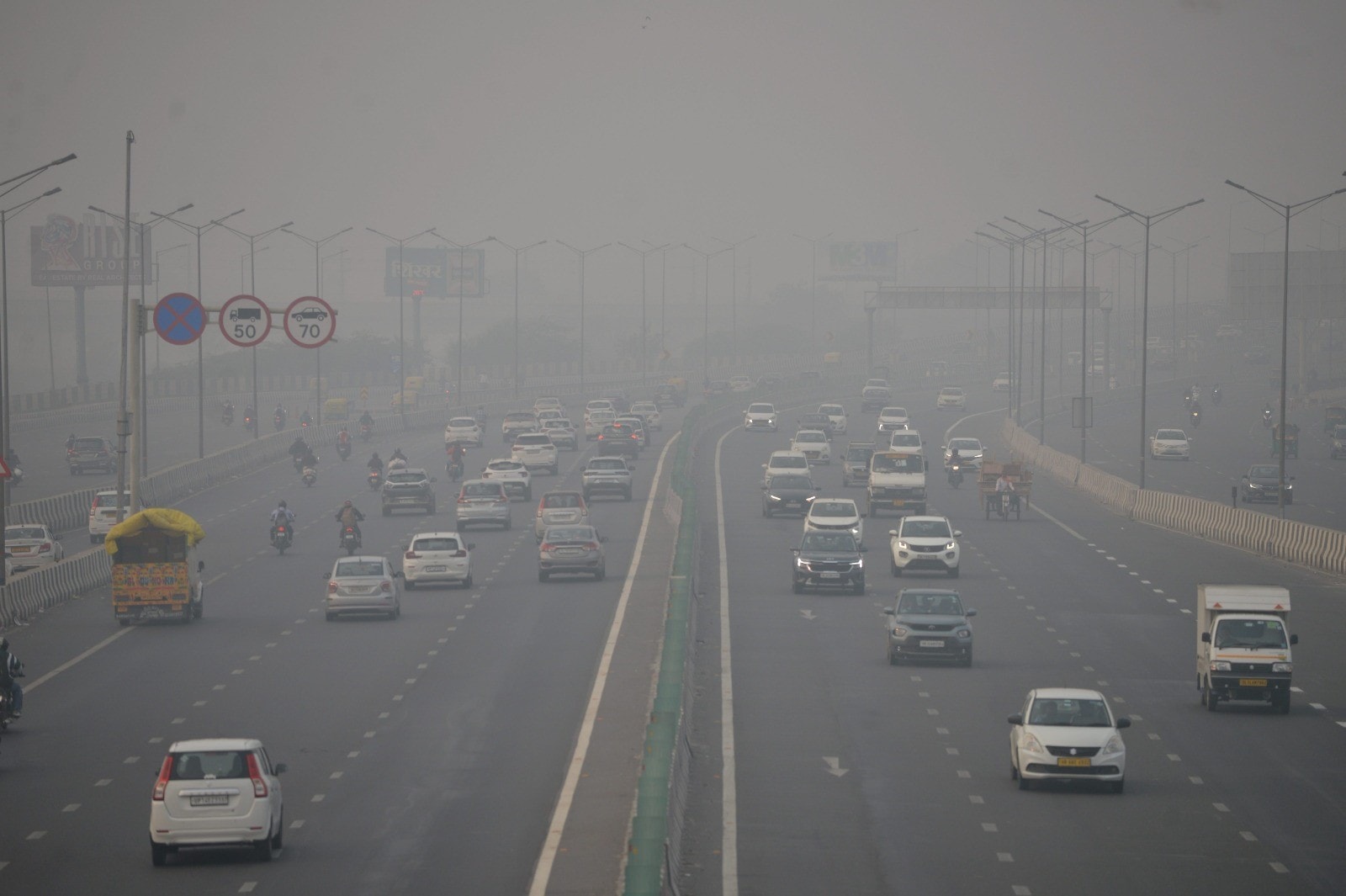
Delhi has enforced tighter rules to control air pollution after the air quality index, or AQI, reached the ‘severe’ category. All non-essential construction and demolition work are banned, among other actions.

The Commission for Air Quality Management (CAQM) took the decision to raise the pollution mitigation level to GRAP-3, effective from 8 am on Friday.

While GRAP-3 is in effect, petrol vehicles from the older emission norms BS-III and diesel vehicles of BS-IV category are not allowed on the roads in Delhi and parts of the National Capital Region (NCR) such as Gurugram, Ghaziabad, Faridabad, and Gautam Budh Nagar.

The ban on construction work does not apply to projects needed for national security, healthcare, and certain public infrastructure work.

The third phase of the Graded Response Action Plan (GRAP-3) also involves deploying more mechanised road-sweeping and water-sprinkling machines to suppress dust. Diesel generator sets will be restricted to emergency use only.

Earlier today, Delhi Environment Minister Gopal Rai had said GRAP-3 would not be implemented.

“For the last two days, for the first time this season, AQI has gone above 400 in Delhi. Many people have questions in their minds about why the AQI which was in the ‘poor’ or ‘very poor’ category since October 14 suddenly went into the ‘severe’ category,” he said.

“Meteorologists have reported that due to snowfall in the mountains, a drop in the temperature of Delhi has been recorded. Due to this, dry conditions have been created in the morning and evening in the entirety of north India,” Mr Rai said.

Delhi’s AQI at 9 am today was in ‘severe’ category, with a reading of 428. On Wednesday, the city reported the worst AQI in the country, with air quality turning ‘severe’ for the first time this season.

Doctors have cautioned people to stay indoors as much as possible. The effects of severe air pollution is not only limited to physical health, but also extended to cognitive wellbeing, affecting mood and emotional resilience.

Dr Arunesh Kumar, a senior consultant on respiratory medicine at Paras Health, Gurugram, said people need to limit  outdoor activities, especially during early morning and late evening when air quality is typically poor, to protect the body from the impact of pollution post-festive season.

“If going outside is necessary, wearing an N95 mask can help filter harmful particles. Indoors, using a HEPA air purifier is recommended as it can significantly reduce particulate matter,” Dr Kumar told news agency PTI.
Read full article
GRAP 3 In Delhi Explained: What Is Banned, What Is Allowed
onmynews.com

GRAP 3 In Delhi Explained: What Is Banned, What Is Allowed

Delhi and its adjoining areas have been covered under a blanket of thick smog since last morning and the air quality has plummeted to the ‘Severe’ category and the air quality index reported over 400 in several areas.

The Commission for Air Quality Management (CAQM) had called the early-morning dense smog an “episodic event” and said they expect the situation to improve by today but the dangerous levels of AQI have forced the CAQM to implement stage III of the Graded Action Response Plan. The measures will be implemented from 8 am tomorrow.

What is GRAP III

It is the third phase of anti-pollution measures that are implemented when AQI reaches ‘Severe’ (401 to 450).
Construction and Demolition Activities: A strict ban on non-essential construction and demolition work, with exceptions for projects critical to national security, healthcare, and certain public infrastructure projects.
Vehicle Restrictions: Ban on the operation of BS-III petrol and BS-IV diesel four-wheelers in Delhi and parts of the NCR like Gurugram, Faridabad, Ghaziabad, and Noida.
Restrictions on the use of diesel generator sets for emergency purposes only. Industrial operations not running on fuels in the standard list of approved ones are banned.
Intensifying mechanized road sweeping and water sprinkling to suppress dust. Increasing public transport services and promoting off-peak travel through differential rates.

GRAP, implemented in the region during the winter season, actions in four stages: Stage I – ‘Poor’ (AQI 201-300); Stage II – ‘Very Poor’ (AQI 301-400); Stage III – ‘Severe’ (AQI 401-450); and Stage IV – ‘Severe Plus’ (AQI above 450). 

GRAP II was enforced in Delhi in October after the air quality was recorded at over 300.

GRAP Stage 1 (AQI 201-300)

Periodic mechanised sweeping and water sprinkling on roads.
Dust mitigation at construction sites. Proper waste management.
Strict checks on polluting vehicles, better traffic management, and emission controls in industries, power plants, and brick kilns.
Bans on open burning of waste, limited use of diesel generators, and no use of coal or firewood in eateries. 
Quick actions for redressal of complaints on 311 APP, Green Delhi App, SAMEER App and other such social media platforms to curb polluting activities. 
Encourage offices to start unified commutes for employees to reduce traffic on the road.
Advisory to celebrate festivals in an eco-friendly manner by avoiding firecrackers.

GRAP Stage 2 (AQI 301-400)

Mechanised sweeping and water sprinkling on roads daily. Focussed and targeted action for abatement of air pollution in all identified hotspots
Uninterrupted power supply to discourage the use of alternate power generating sets.
Enhance vehicle parking fees to discourage private transport.
Resident Welfare Associations are required to provide electric heaters to security staff.
Augment CNG/electric bus and metro services by inducting additional fleet and increasing the frequency of service. 

GRAP Stage 4 (AQI >450)

Stop entry of truck traffic into Delhi. Ban on construction and demolition activities for linear public projects such as highways, roads, flyovers, overbridges, power transmission, pipelines, telecommunication etc.
The government can discontinue physical classes, including Classes Vl – lX and Class Xl.
The government is to decide on allowing public, municipal and private offices to work on 50% strength and the rest to work from home.
State governments may consider additional emergency measures like the closure of colleges/educational institutions and closure of non-emergency commercial activities, permitting the running of vehicles on the odd-even basis of registration numbers etc.
Children, the elderly and those with respiratory, cardiovascular, cerebrovascular, or other chronic diseases to avoid outdoor activities and stay indoors.

Read full article
AAP Councillor Mahesh Khinchi Wins Delhi Mayor Election
onmynews.com

AAP Councillor Mahesh Khinchi Wins Delhi Mayor Election

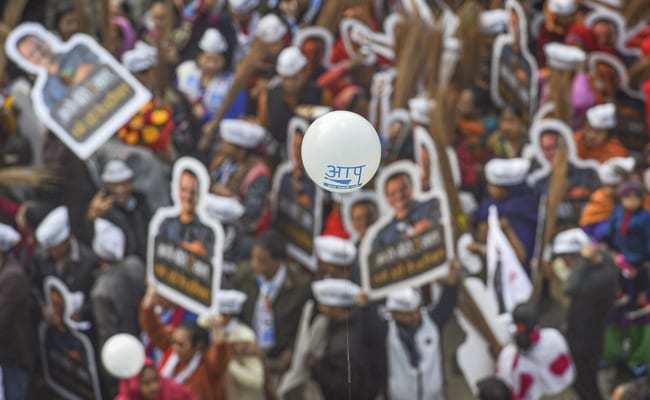
Aam Aadmi Party’s Mahesh Khinchi will be the next Mayor of Delhi, having won the election by a wafer-thin margin. Mr Khinchi, Delhi’s first Dalit Mayor, got 133 votes and the BJP’s Kishan Pal 130 votes in the election held this evening after much chaos and disruption that included a walkout by the Congress members.  

The BJP had 120 members, but managed to get 10 more votes. 
Mr Khinchi’s tenure will only be for five months, with the election being repeatedly postponed since April. It was this issue that caused the walkout by the Congress, which wanted a full one-year tenure for the first Dalit mayor. 

Amid the chaos, Congress’s Mohammad Khushnood and his wife Sabila Begum — Councillor of Mustafabad Ward 243) — resigned from the primary membership of the party, saying she would vote for the AAP candidate. While the seven Congress members walked out as the voting started, she stayed back to vote. 

In her resignation letter, Sabila Begum said her objection was to the party’s walkout decision, which would only benefit the BJP. 

The election, normally held every April, has been delayed over a tussle between the ruling Aam Aadmi Party and the BJP, and the new Mayor is expected to get only a five-month term. 

The initial delay in the election took place as then Delhi Chief Minister Arvind Kejriwal was in judicial custody in the excise policy case. Then AAP boycotted the election held in September after the councillors were frisked. That time too, the Congress had abstained from voting.

There was further delay over procedural disputes, including the appointment of a presiding officer by the Lieutenant Governor.

Read full article
Link copied!