onmynews.com
Trump wants ‘decisive’ strike on Iran: Why it won’t be as easy as Venezuela op – explained
Post Content

Post Content
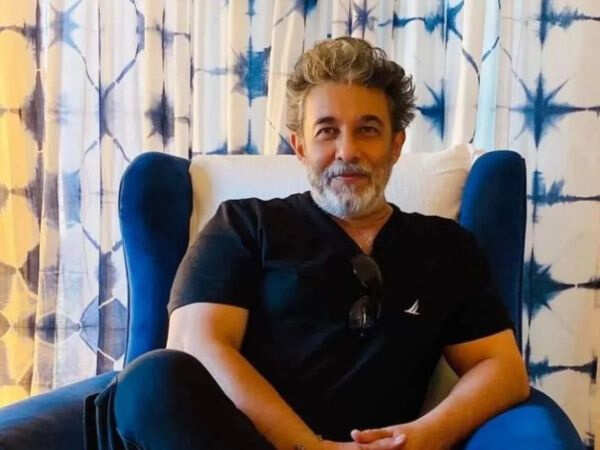


He said, “I have heard this a lot of times that everybody works in groups. As they say, ‘you scratch my back, I scratch yours’. We all work in a group, in a clan. And this is not a new thing. The clan was there back then, and it existed even before us. It has always been there. We were all friends and used to having fun. We used to go to the sets and play games. During the shooting of Pehla Nasha, we used to play dumb charades before the shooting. Today, we talk about insiders. But people do it because there is a comfort level. If I go to someone with my script, and they refuse to do it because I don’t have any equation with them, then I will not feel bad. My talent or my work is a matter of later. What happens first is that when I go on set, I don’t want to see any irritating characters. I want my friends. So that is what is happening. The environment is still the same. Films are made the same way and will continue to be made the same way. But that success or failure, it is a matter of time.”
Also Read: Deepak Tijori: Bollywood Functions on a ‘You Scratch My Back, I’ll Scratch Yours’ System – Exclusive



The composer also opened up about the time when he used to feel like an outsider in the industry despite his success. However, with Taal, he became a household name.
Moreover, he spoke about how not speaking Hindi acted as a barrier when he started working in Bollywood. He said, “I never spoke Hindi. It’s very difficult for a Tamil person to speak Hindi because we have such an attachment.” Filmmaker Subhash Ghai suggested that he learn the language, and Rahman chose to learn Urdu, which he termed as the “mother of Hindi music.”

Also Read: Mari Selvaraj Confirms AR Rahman for Dhanush’s D56