In 2023, Bollywood witnessed a wave of impressive directorial debuts that left an indelible mark on the cinematic landscape. These emerging filmmakers brought forth a fusion of creativity and vision, redefining storytelling norms with their distinctive narratives. From exploring societal nuances to embracing innovative techniques, these debutants showcased a remarkable prowess for weaving tales that resonated with audiences. As the year draws to a close, it’s an opportune moment to acknowledge and applaud these rising talents who heralded their arrival into the directorial realm, leaving us eagerly anticipating the brilliance they’ll continue to bring to the silver screen. Take a look:
Sameer Vidwans: Satya Prem Ki Katha
Sameer, known primarily as an esteemed Marathi film director, ventured into Hindi cinema with Satya Prem Ki Katha, starring Kartik Aaryan and Kiara Advani. This debut marked a significant success both commercially and critically, swiftly earning favour among audiences. The story revolves around Satyaprem, an ordinary man from a middle-class background, who falls for Katha, a young woman grappling with the aftermath of a breakup. When faced with the prospect of marriage, Satyaprem endeavours to reignite Katha’s belief in love while striving to prove his own worthiness. The film’s portrayal of its themes resonated deeply with viewers, establishing a strong emotional connection due to its heartfelt narrative and presentation.
Atlee: Jawan
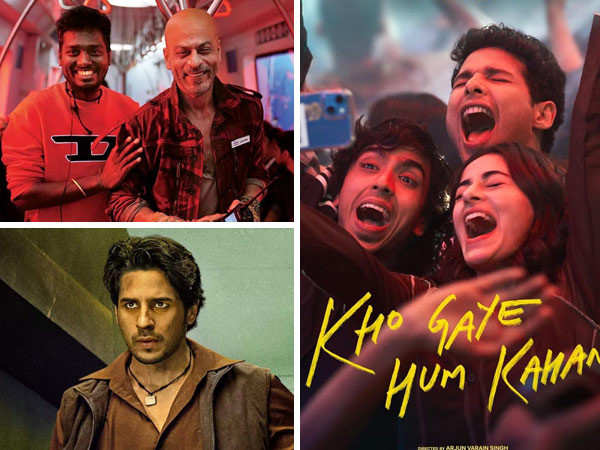
Atlee, renowned for delivering massive blockbusters in the South, marked his grand entry into Hindi cinema as a director with Jawan. Shah Rukh Khan leads the film with a character motivated by a deep-seated determination to right societal wrongs, fueled by a longstanding promise. His path crosses with a formidable antagonist unafraid of causing immense suffering to countless individuals. The movie soared to staggering success at the box office, shattering numerous records and etching itself as one of Indian cinema’s colossal releases.
Abhishek Sinha: Tumse Na Ho Payega
Abhishek Sinha, known for his remarkable 18-year journey as a marketing professional, made an impactful debut in the world of filmmaking with Tumse Na Ho Payega on OTT. His visionary approach breathed life into the narrative, crafting a universally engaging story. The tale follows 28-year-old Gaurav, trapped in both his engineering job’s monotony and societal expectations. Amidst mundane routines and challenges, including losing his job, navigating family dynamics, and societal pressures, Gaurav stumbles upon a business idea. Choosing to follow his passion despite external pressures, Gaurav embarks on a rollercoaster journey. Abhishek’s foray into filmmaking showcased meticulous attention to detail and a profound grasp of the subject matter, weaving together humour, inspiration, and poignant life lessons on pursuing personal happiness over societal norms.
Akshat Ajay Sharma: Haddi
In his directorial debut, Akshat Ajay Sharma defied conventional casting by selecting Nawazuddin Siddiqui for the role of a eunuch. Sharma’s journey in the film industry saw a remarkable ascent from Assistant Director on the set of Mukkabaaz to roles as a Creative Assistant and Associate Editor on projects like Manmarziyan (2018) and Lust Stories. The narrative of Haddi unfolds against the backdrop of the modern ruins in NCR’s Gurgaon and Noida. The story commences with Harika (played by Nawaz), a trans woman, explaining to an elderly man the potency of blessings from her community, the fear invoked by their curses, and the dread of their revenge. The tale swiftly transitions to Haddi (also portrayed by Nawaz), who relocates from his hometown of Allahabad to join a group led by Pramod Ahlawat (played by Anurag Kashyap), a former gangster turned politician, overseeing multiple illicit enterprises. Haddi ascends the criminal hierarchy but harbours an unquenchable desire for retribution against the mobsters who wronged his family, a flame that refuses to be extinguished.
Shantanu Bagchi: Mission Majnu
Shantanu Bagchi debuted as a director with Mission Majnu, starring Sidharth Malhotra and Rashmika Mandanna in leading roles. The movie follows Malhotra’s portrayal of a RAW agent and draws inspiration from a real incident during the 1971 Indo-Pakistan War. Amandeep “Aman” Singh IPS operates covertly as a RAW field agent under the alias Tariq Hussain in Pakistan. During his assignment, he develops a deep connection with Nasreen Hussain, a blind woman, leading to their marriage. Prior to Mission Majnu, Bagchi directed a short film named Nycil Cool Shower.
Karan Boolani: Thank You For Coming
Karan Boolani’s latest film, Thank You For Coming, delves into a less explored territory in our movie landscape. It follows a food blogger (played by Bhumi Pednekar) who chooses a stable fiancé over genuine romantic connection. Surprisingly, she experiences sexual fulfilment for the first time at her engagement party but is left searching for the identity of her mysterious lover. Beyond its lighthearted and comedic exterior, the film delves into profound themes such as patriarchy, challenging societal expectations, and navigating complex relationships. It cleverly intertwines the narrative with a focus on female pleasure, offering a multi-layered exploration of these significant topics.
Yashovardhan: Kathal
Yashwardhan ventured into directing for the first time with Kathal, a film set against the backdrop of central India’s socio-cultural intricacies. Headlined by Sanya Malhotra, the story revolves around the mysterious disappearance of prized jackfruit trees from a local politician’s garden. A determined young policewoman embarks on a quest to crack this peculiar case, aiming to validate her competence in her role. The movie garnered praise for its insightful social commentary, skillful performances, and its engaging portrayal of satirical drama.
Aasmaan Bhardwaj: Kuttey
Aasmaan Bhardwaj, the son of renowned filmmaker Vishal Bhardwaj, marked his directorial debut with the movie Kuttey. The film boasted an impressive ensemble cast including Tabu, Arjun Kapoor, Radhika Madan, Konkona Sen Sharma, Kumud Mishra, and Shardul Bhardwaj. Set against the backdrop of a rainy night in the outskirts of Mumbai, the storyline intertwines three stray gangs, all unaware of each other, converging on the pursuit of a van loaded with millions in cash. In a web of intricate subplots, driven by the common motive of greed, the narrative unfolds into a tense yet often comical chain of events where every individual is out for themselves.
Victor Mukherjee: Lakadbaggha
Victor Mukherjee stepped into the director’s chair with his debut film Lakadbaggha. Featuring Anshuman Jha and Riddhi Dogra in prominent roles, the story follows Arjun Bakshi, a vigilante with a passion for animals. His investigation leads him to uncover an illicit animal trade network operating from the Kolkata port. In the process, he stumbles upon a rare Indian Striped Hyena, the focal point of the narrative.
Arjun Varain Singh: Kho Gaye Hum Kahan
Kho Gaye Hum Kahan follows the intertwining lives of three close friends navigating the complexities of life in Mumbai in their twenties. In this debut directorial venture by Arjun Varain Singh, the film stars Ananya Panday, Siddhant Chaturvedi, and Adarsh Gourav. Against a backdrop of stunning visuals and an evocative soundtrack, the movie delves into the collision of romance, ambition, and heartbreak within the captivating yet isolating world of social media. It serves as a poignant reflection on the deep-seated loneliness and the yearning for authentic connections prevalent in today’s digital age.