onmynews.com
Officer admits he tampered ballots, must be prosecuted, orders Supreme Court in Chandigarh vote-count row
Officer admits he tampered ballots, must be prosecuted, orders Supreme Court in Chandigarh vote-count row
Officer admits he tampered ballots, must be prosecuted, orders Supreme Court in Chandigarh vote-count row
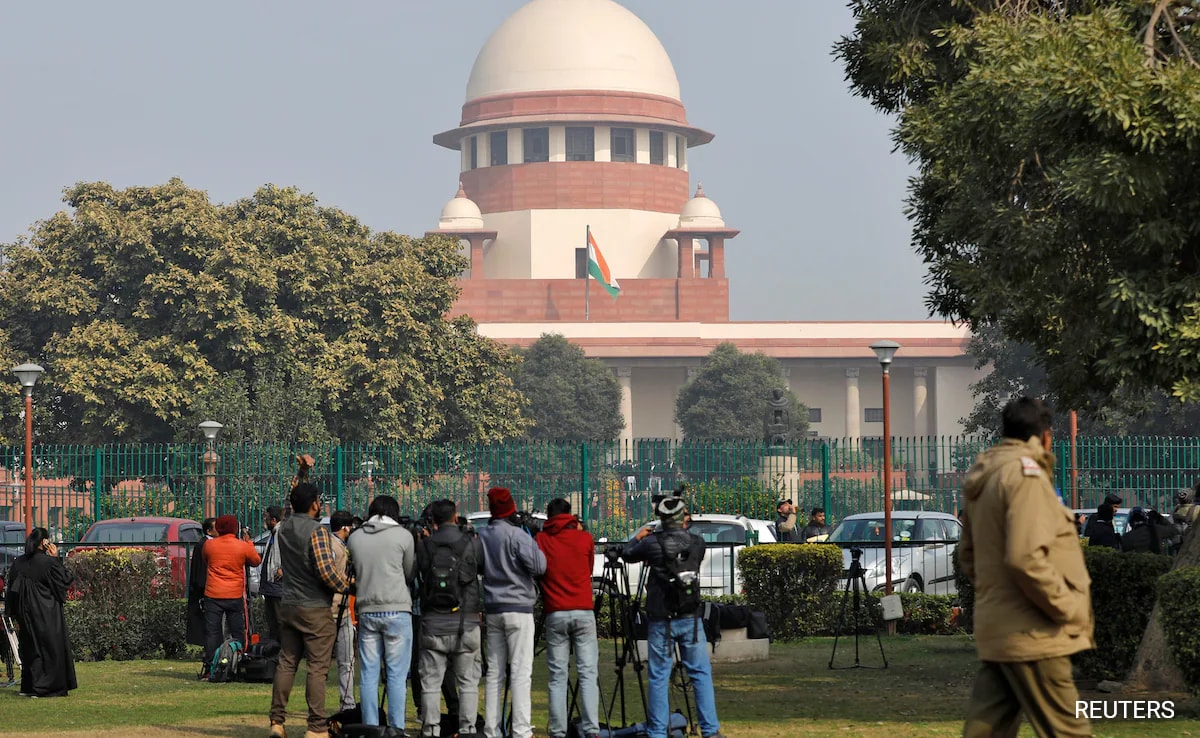
The Supreme Court has denied admission to a petition seeking a CBI investigation into the Sandeshkali case in West Bengal. The petition, filed by a lawyer on behalf of the victims, was turned down during the hearing, prompting the petitioner to withdraw the plea.
The bench, comprising Justice BV Nagarathna and Justice Augustin George Masih, expressed reservations about comparing the Sandeshkali case to the situation in Manipur. They emphasized that the High Court, which had already taken suo-motu cognizance of the matter, is best suited to assess the situation and order a thorough investigation.
The High Court, acknowledging the seriousness of the matter, has taken the initiative to assess the situation independently. Recognizing its capability to order an SIT investigation, the High Court aims to ensure justice for the victims.
The petitioner, responding to the Supreme Court’s decision, withdrew the plea, allowing the High Court to take charge of the case. The Supreme Court granted permission for this course of action.
The Supreme Court, drawing parallels with the Manipur model, proposed the formation of a committee consisting of three retired judges from different states to oversee a fair and impartial investigation into the Sandeshkali case. This suggestion aligns with the demands for an unbiased inquiry.
Alakh Alok Srivastava, the counsel representing the victims, filed a public interest litigation (PIL) in the Supreme Court. The PIL not only demanded compensation for the victims but also called for disciplinary action against the culpable police officers.
Meanwhile, NDTV’s investigation shed light on the complex nature of the Sandeshkali case. While the BJP alleges sexual assault, women interviewed by NDTV hinted at a more nuanced reality. They spoke of being summoned to the BJP office and facing threats for non-compliance, though they were reluctant to reveal their identities on camera.
Tensions escalated further when West Bengal BJP President Sukanta Majumdar reportedly suffered injuries during a clash with the police while attempting to reach Sandeshkhali. The BJP claims their visit aimed to interact with the alleged victims.
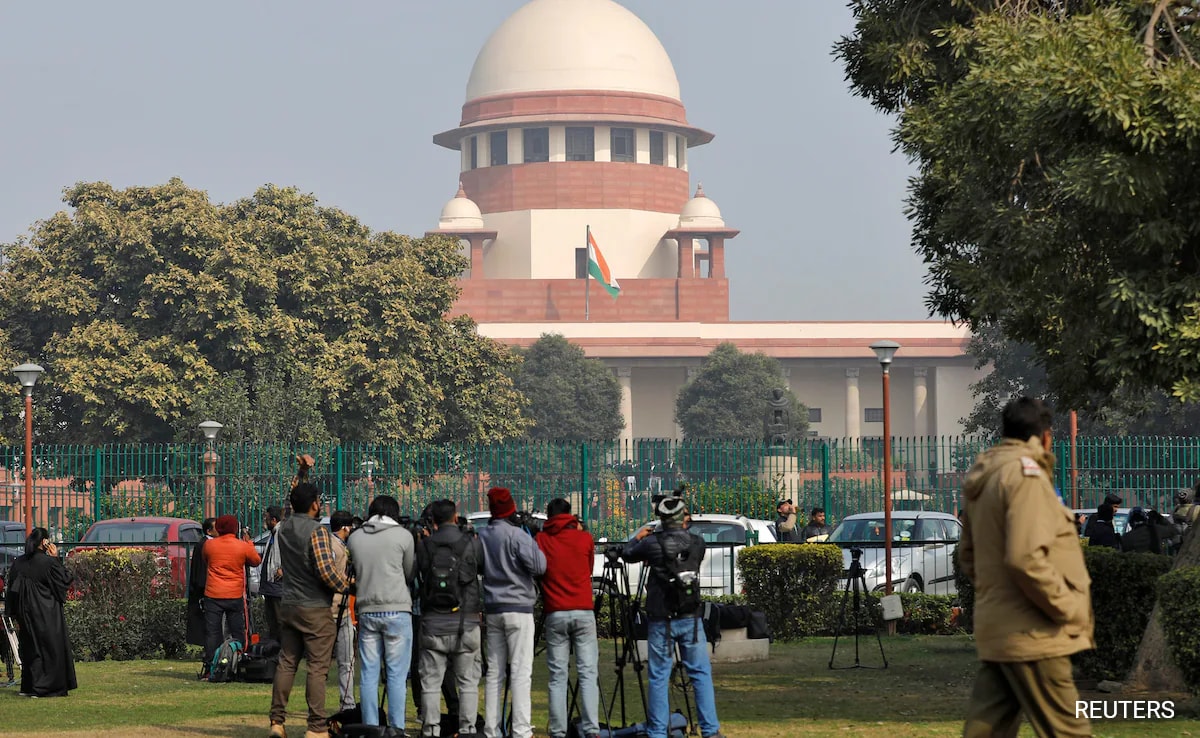
The eight “defaced” ballot papers – from last month’s controversial Chandigarh mayoral election – which are at the heart of a bitter politico-legal fight between the AAP and the BJP must be produced in the Supreme Court at 10.30 am Tuesday, Chief Justice DY Chandrachud said this evening.
The court indicated it would attempt to settle the dispute over the outcome of the election, which saw the Bharatiya Janata Party’s Manoj Sonkar elected Mayor with a four-vote margin after eight ballots by Aam Aadmi Party councillors were declared “invalid” without apparent cause.
“What we propose to do is this… we will direct the Deputy Commissioner to appoint a fresh Returning Officer, one who is not aligned to any political party. The process shall be taken to the logical conclusion from the stage it stopped before the declaration of results,” the Chief Justice said.
“Let the results be declared disregarding any mark put by the (original) Returning Officer (Anil Masih). Let the process be overseen judicially by the (Punjab and Haryana) High Court,” he said.
To this, Solicitor General Tushar Mehta, appearing for the Chandigarh administration, said, “I am told some are torn or defaced. Let the High Court see…”, but the Supreme Court was unconvinced.
The petitioner, the AAP’s unsuccessful mayoral candidate, Kuldeep Kumar, pointed out that only eight ballot papers had be to studied, and added, “They are not torn.”
“We will ask the Registrar General of the High Court (which had been instructed by the Supreme Court to gather and preserve all records) to nominate any officer who shall be present tomorrow with the ballot papers… we will see the ballot papers for ourselves,” the Chief Justice insisted.
The court’s attempt to settle this matter has been seen by many as a possible blow to the BJP, which would have been in a strong position had a re-election been ordered. Prime Minister Narendra Modi’s party was well short of majority in the January 31 poll, but the poaching of three AAP lawmakers – Poonam Devi, Neha, and Gurcharan Kala – has given them the definite upper hand.
In the 35-member Chandigarh Municipal Corporation, the BJP now has 17 votes.
Add the vote from a Shiromani Akali Dal councillor, and one from the Chandigarh Lok Sabha MP – who has voting rights as an ex-officio member – the party has 19.
After the trio of defections, the AAP has only 10, and its ally, the Congress, has seven.
A fresh election will see the BJP at a narrow but crucial advantage.
The three ex-AAP members’ switch to the BJP has also renewed talk about ‘horse-trading’.
“The scare was that this will lead to horse-trading… that has happened now,” the petitioner said.
The Chief Justice then acknowledged the seriousness of the allegation.
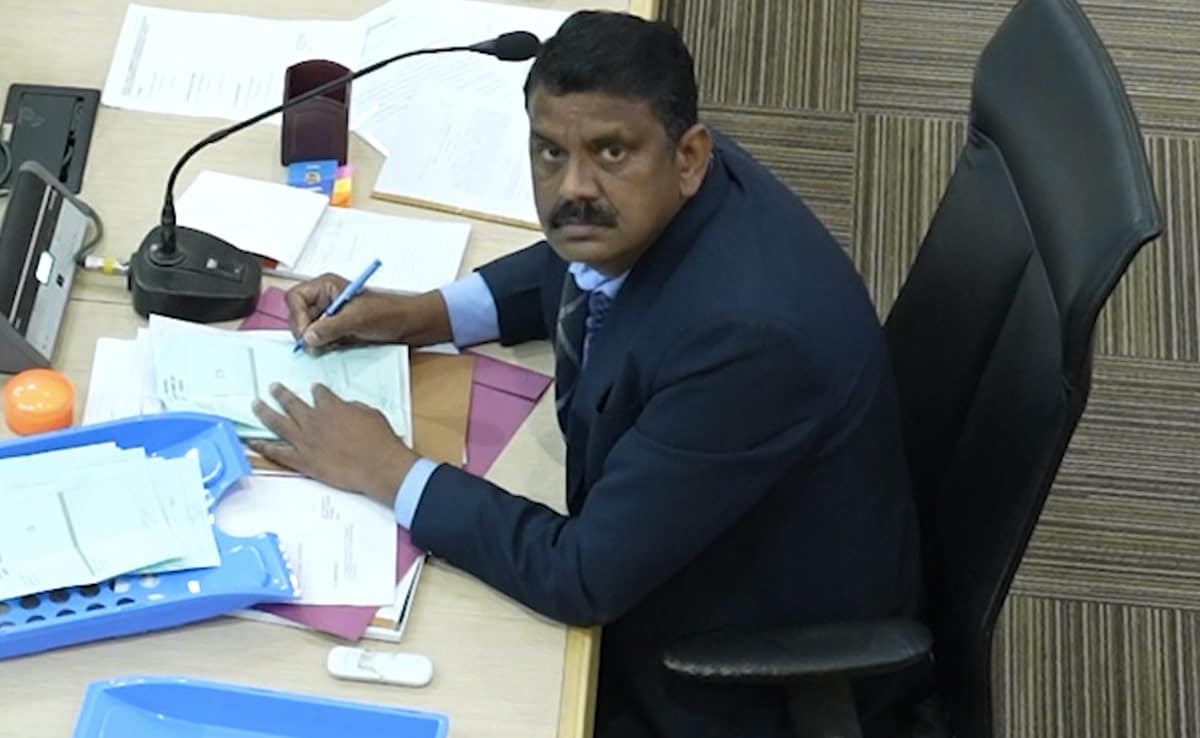
Meanwhile, the top court today also made strong observations about Mr Masih’s role in this controversy, declaring he should be prosecuted. In an earlier hearing the court called his action a “mockery of democracy”. “It is obvious he defaced the ballot papers…” the Chief Justice said.
The controversy broke after a video showed Mr Masih – at the time a member of the BJP’s Minority Cell – writing on eight ballot papers – from AAP councillors – before entering them into record.
By doing so, the AAP argued then and senior advocate Abhishek Singhvi in court today, he had invalidated votes in an election the party was widely expected to win comfortably.
The BJP has vehemently denied these allegations.