Live · Global · Independent
Live Feeds
PinkVilla
Forbes
NDTV
Hindustan Times
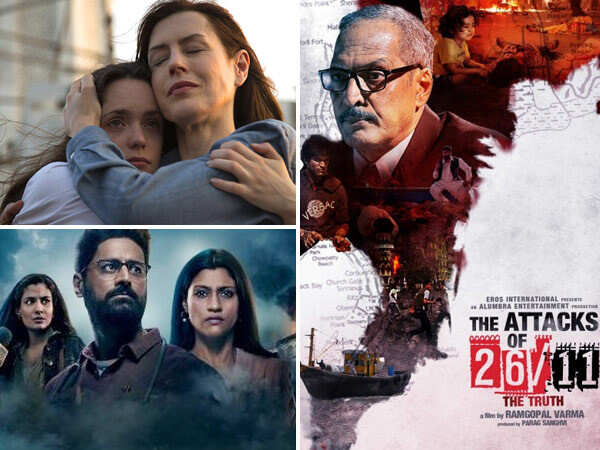
Photos: Films and series based on the attacks of 26/11
onmynews.com

Photos: Films and series based on the attacks of 26/11

Today is the 26th of November, a black day in the history of post-Independent India as a series of coordinated terrorist attacks took place in Mumbai on this date in 2008. Around 10 members of Lashkar-e-Taiba carried out 12 attacks in several areas of Mumbai that lasted for four days. At least 175 people died in the attacks including nine of the terrorists. 
Several films and series have been made to chronicle the events of these attacks and to pay
tribute to the victims. In 2013, Ram Gopal Varma directed a film called The Attacks of 26/11 which was based on the book Kasab: The Face of 26/11. In 2015, Nicolas Saada directed Taj Mahal. Let’s take a look at some of the films and series made on this horrific chapter of our history.
Read full article
Blast outside Badshahs bar in Chandigarh
onmynews.com

Blast outside Badshahs bar in Chandigarh

Rapper Badshah is in the news once again but this time not for his work. Unfortunately, a blast occurred near one of his restaurants in Chandigarh. Two low-intensity blasts were reported at two bar-cum-lounges in the city and one of them belongs to the rapper.

As per police sources, two unidentified men on a motorbike set off an explosive device outside Seville (Badshah’s bar & lounge), followed by a blast in De’Orra which is near Seville. It occurred at around 3 am. However, there is no CCTV footage of the first blast. The second blast was captured on camera. Luckily, no casualty has been reported but the glass panes of De’Orra shattered after the explosion.

A forensic team was called on the spot to investigate the incident.

A restaurant employee was quoted by media reports saying, “We rushed out after hearing a loud explosion. The glasspanes were shattered. We immediately informed the police. There were eight workers inside the (De’Orra) restaurant when the blast took place. No one was injured.”
Read full article
Role Of Judge Like Walking On Razor’s Edge: Chief Justice Khanna
onmynews.com

Role Of Judge Like Walking On Razor’s Edge: Chief Justice Khanna

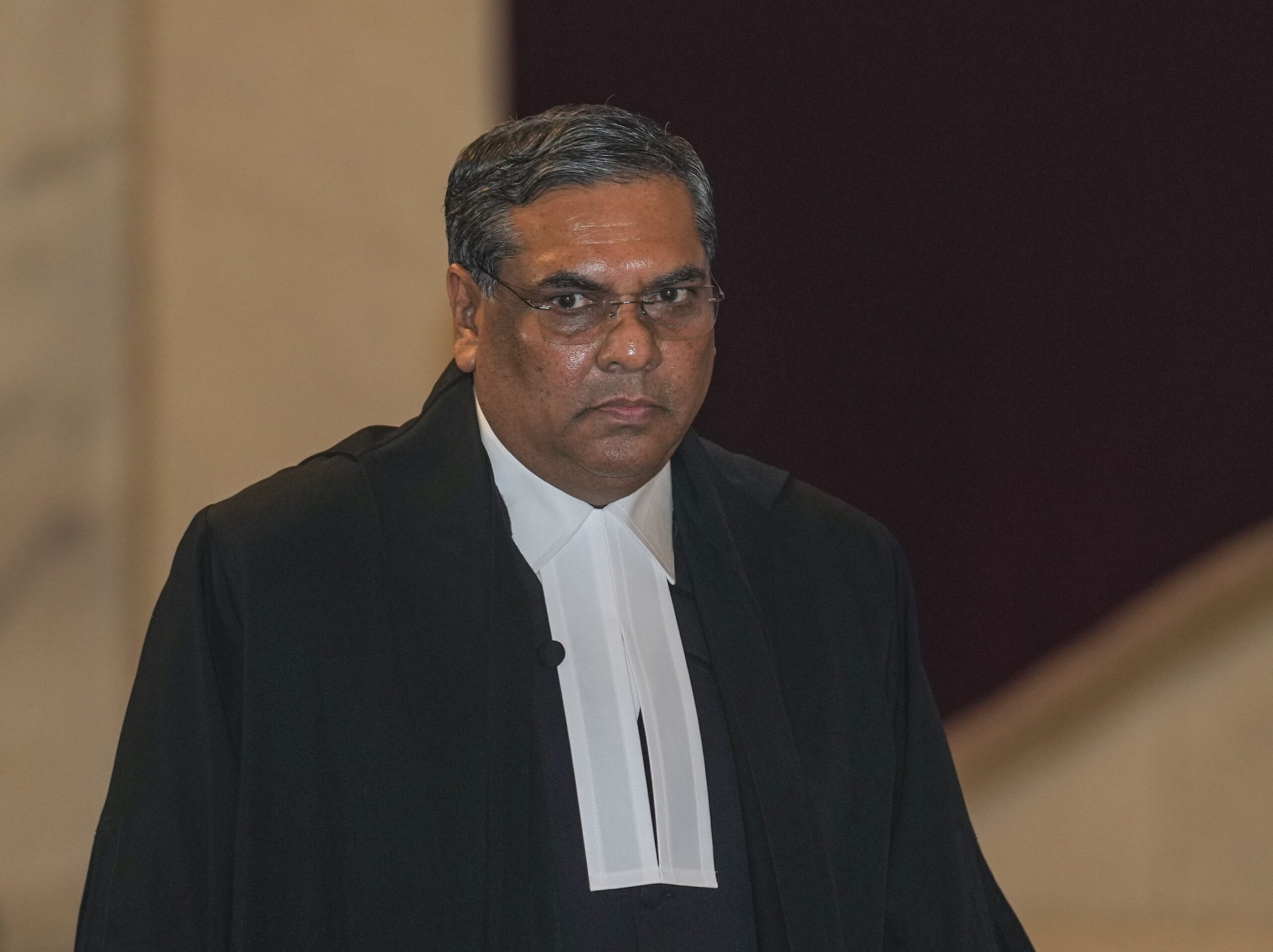
Chief Justice of India Justice Sanjiv Khanna today said the role of judiciary is directly linked to democracy and underscored that it has been made possible only by the guidelines laid out by the constitution. Speaking on the occasion of the 75th constitution day, the Chief Justice dubbed the constitution as a “living, breathing document”.

The role of a judge is “often likened to walking on a razor’s edge,” he said, explaining that every judgement given “requires balancing competing rights and obligations” and has to be a “zero sum game”.

“It inevitably creates winners and losers, inviting celebration from some and criticism from others. It is this duality that invites scrutiny into the functioning of the courts,” he added.

“For some, the Constitutional Courts of India are among the most powerful in the world. For others, we are straying from our constitutional duties-sometimes by failing to challenge the status quo or in resisting the transient popular mandate of the electorate,” he said.  

The Constitution, he said, protects the judiciary from the shifts of the electoral process. It ensures that decisions are fair and free from whims.

“As the custodian of fundamental rights, the judiciary is working from the lowest level to the highest level. We are bound by our constitutional duty. At the same time, we are also open and transparent. With this, our focus is public interest, protection of their rights. We are also accountable to the public. We are also aware of our autonomy and accountability,” he said.

Justice Khanna said while administration of justice is the firmest pillar of governance, “each branch of the government is… a related actor which works in a degree of separateness”.

“There is interdependence, autonomy as well as reciprocity. Each branch must honour its constitutionally assigned distinct role while nurturing inter-institutional equilibrium. When properly understood, judicial independence serves not as a high wall but as a bridge – catalyzing the flourishing of constitution, fundamental rights, and governance framework,” he added. 
 

Read full article
Link copied!