Inside “True Promise II”: What Changed In Iran’s Latest Attack On Israel
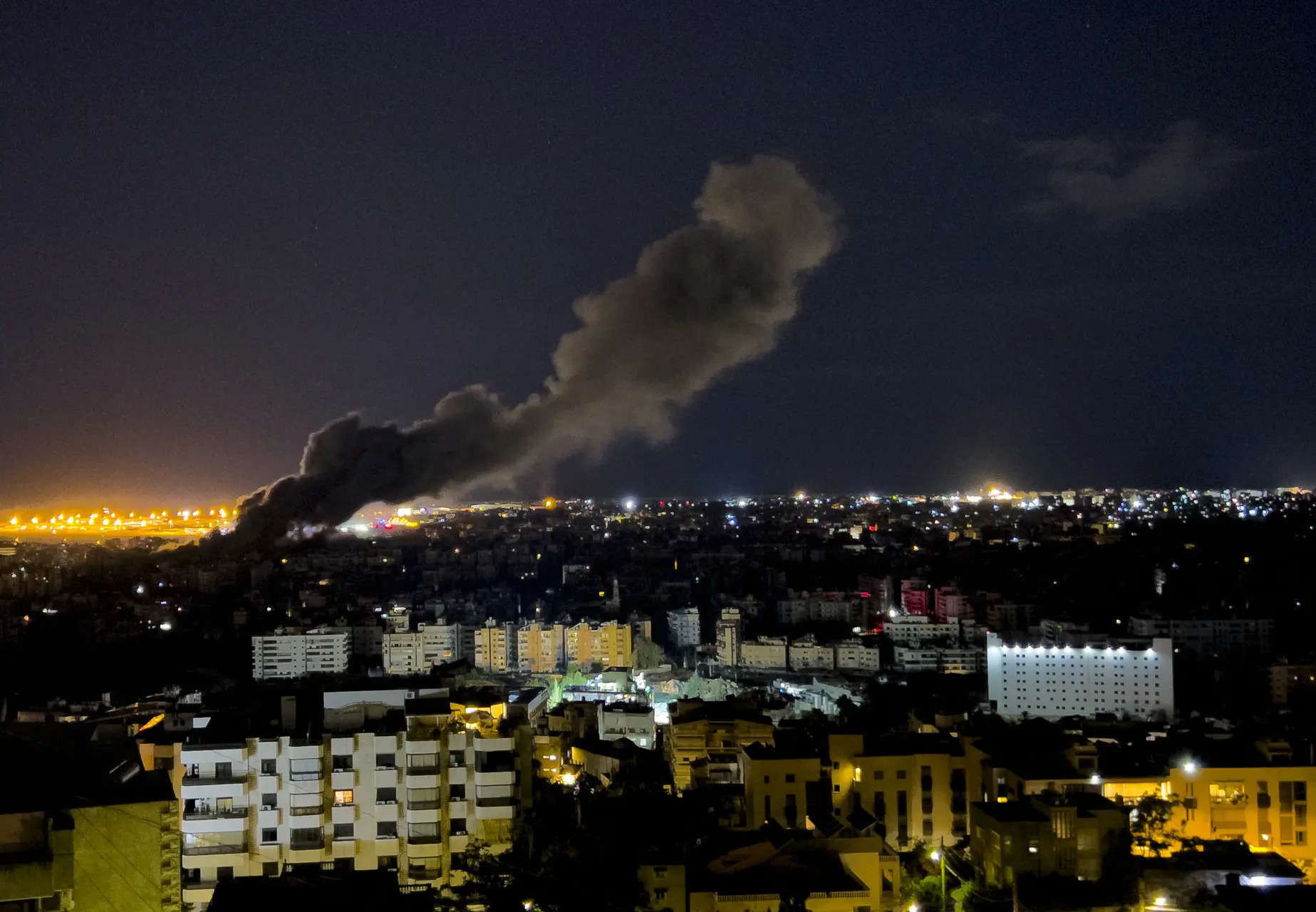
Iran’s Islamic Revolutionary Guard Corps (IRGC) launched its second missile attack against Israel in less than six months, targeting military bases on Tuesday. Dubbed Operation True Promise II, this attack differed from Iran’s earlier strike in April, showcasing a higher degree of technological sophistication and strategic ambition.
Iran deployed hypersonic missiles for the first time in this operation, marking a technological advancement over the older drones and ballistic missiles used in April’s Operation True Promise. The IRGC claimed that 90 per cent of its missiles successfully hit their targets, despite Israel’s advanced defence systems.
READ | When Israel And Iran Joined Hands To Fight A Common Enemy
Unlike April’s attack, which primarily targeted isolated military sites, this assault appeared to target more densely populated urban centres near Tel Aviv. Iranian President Masoud Pezeshkian framed the missile strikes as a proportional response to Israeli “aggression,” warning Israel not to provoke further escalation.
Key Differences Between April And October Attacks:
Iran used hypersonic missiles for the first time in Operation True Promise II, marking a shift from the older technology drones and ballistic missiles used in the April attack. This latest attack involved a broader array of advanced weaponry.
Fact Check | Did Benjamin Netanyahu Run Into A Bunker During Iran’s Missile Attack
In April, Iran targeted military bases in remote areas, while this time, urban centres near Tel Aviv were in the crosshairs. Iran claimed a 90 per cent success rate in hitting its targets in this latest attack, despite Israel’s sophisticated defence systems, compared to the high interception rate of missiles in April.
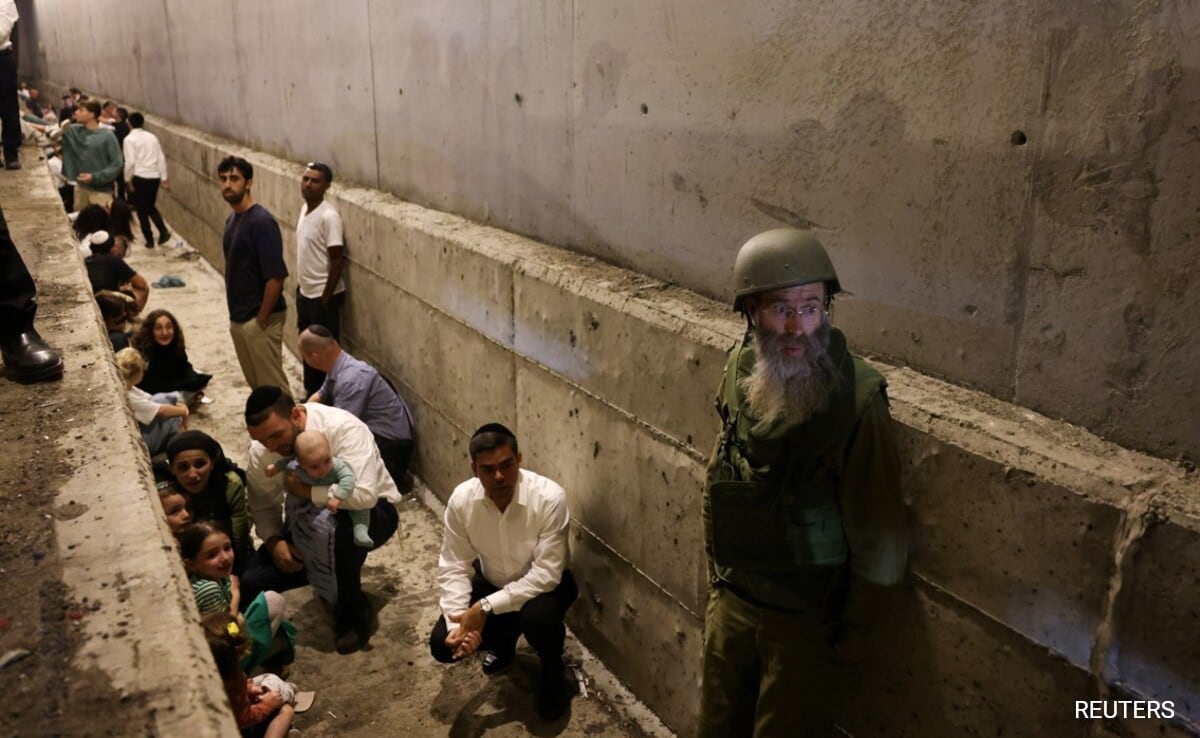
One Palestinian man died after being hit by debris from an Iranian missile in West Bank. Despite no casualties reported on Israel’s side, the proximity of the attack to populated areas signals that Israel’s next response may be far more comprehensive and severe.
With Israeli citizens under direct threat, Prime Minister Benjamin Netanyahu is expected to take a stronger stance than after the April attack, potentially heightening the conflict with Iran. Resistance groups across the Middle East praised Iran’s operation, raising the potential for further involvement from Hezbollah, Hamas, and other allied factions in the region.