Live · Global · Independent
Live Feeds
PinkVilla
Forbes
NDTV
Hindustan Times
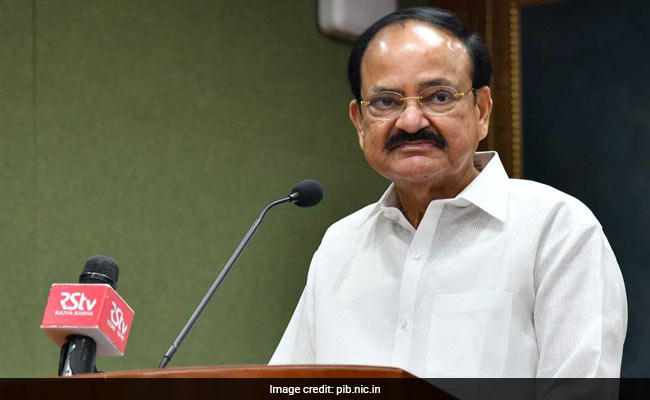
Padma Vibhushan For Venkaiah Naidu, Actor Chiranjeevi. See Full List
onmynews.com

Padma Vibhushan For Venkaiah Naidu, Actor Chiranjeevi. See Full List

The government today announced the prestigious Padma Awards on the eve of the 75th Republic Day celebrations.

The Padma Vibhushan has been awarded to Vyjayantimala Bali, Konidela Chiranjeevi, M Venkaiah Naidu, Bindeshwar Pathak (posthumous), and Padma Subrahmanyam.

BJP leader Ram Naik, singer Usha Uthup and actor Vijaykanth (posthumous) are among the 17 who have been awarded the Padma Bhushan.

The first woman judge of the Supreme Court Chief Justice M Fathima Beevi (posthumous), actor Mithun Chakraborty, and Bombay Samachar owner Hormusji N Cama are also among the Padma Bhushan awardees.

Young Liu, the CEO of Taiwan’s Foxconn, has also been honoured with Padma Bhushan.

Read full article
At Republic Day Parade Today, ‘Nari Shakti’ To Lead The Way: 10 Points
onmynews.com

At Republic Day Parade Today, ‘Nari Shakti’ To Lead The Way: 10 Points

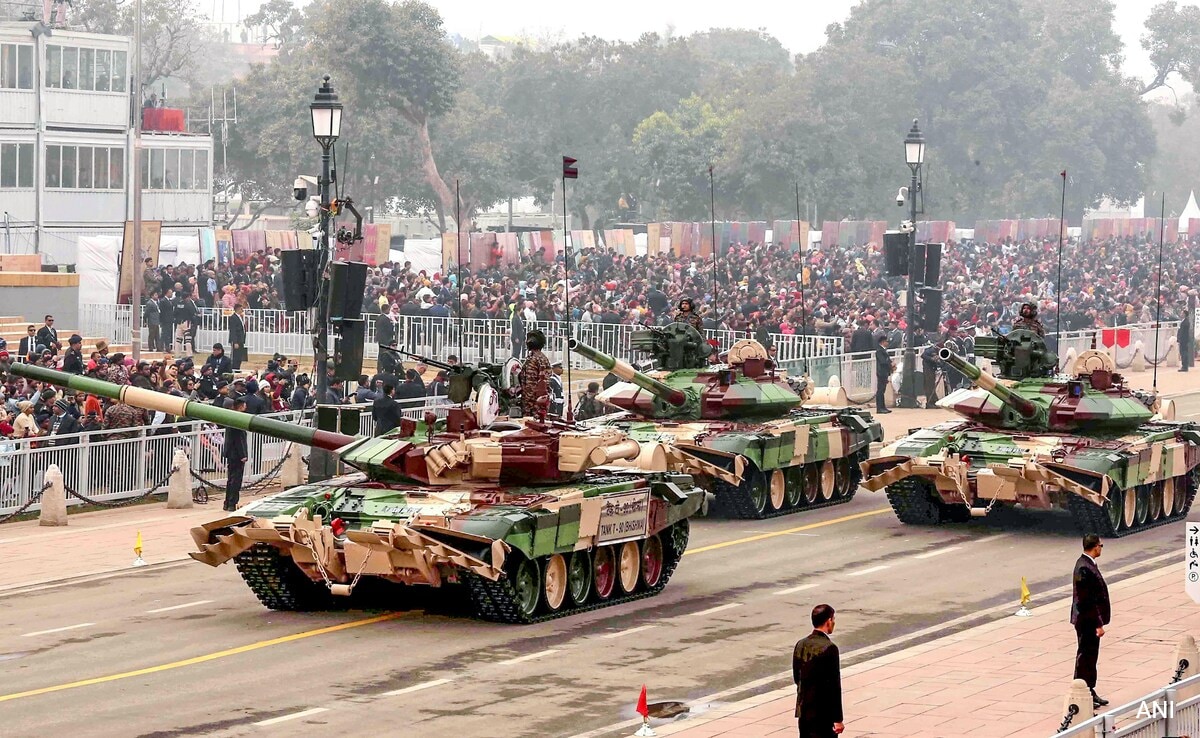
Based on the twin themes of ‘Viksit Bharat’ and ‘Bharat – Loktantra Ki Matruka’, this year’s parade will see the participation of 13,000 special guests.
For the first time ever, the parade will be heralded by over 100 women artists playing Indian musical instruments. The parade would start with the music of Sankh, Naadswaram, Nagada, etc. to be played by these women artists.
It will also see the first participation of an all-women tri-service contingent marching down the Kartavya Path. Women pilots will also enthral the audience during the flypast, representing “Nari Shakti”. The contingents of the Central Armed Police Forces (CAPF) will also consist of only women personnel.
The Republic Day parade will start at 10,30 am and run for a duration of 90 minutes. The ceremony will start with the visit of Prime Minister Narendra Modi to the National War Memorial.
Kartavya Path will be witness to a march past by a combined band and marching contingent of the French armed forces. A 30-member band contingent will be headed by Captain Khourda, which will be followed by a 90-member marching contingent, led by Captain Noel. A multirole tanker aircraft and two Rafale fighter jets of the French Air and Space Force will fly above the contingents.
The first Indian Army contingent leading the mechanised column will be of the 61 Cavalry, led by Major Yashdeep Ahlawat. Raised in 1953, the 61 Cavalry is the only serving active Horsed Cavalry Regiment in the world.
The Indian Navy contingent will consist of 144 men and women Agniveers, led by Lt Prajwal M as Contingent Commander and Lt Mudita Goyal, Lt Sharvani Supreiya, and Lt Devika H as Platoon Commanders. It will be followed by the naval tableau, depicting the themes ‘Nari Shakti’ and ‘Sea Power Across the Oceans Through Indigenisation’.
The Indian Air Force (IAF) will comprise 144 airmen and four officers, led by Squadron Leader Rashmi Thakur. Squadron Leaders Sumita Yadav and Pratiti Ahluwalia, and Flight Lieutenant Kirti Rohil will march past as supernumerary officers behind the Contingent Commander.
Many critical systems and technologies developed by the Defence Research and Development Organisation (DRDO) will be showcased during the parade. The DRDO tableau is based on the theme ‘Women power in protecting the nation by providing the defence shield in all five dimensions, namely land, air, sea, cyber, and space’.
The contingents of the Central Armed Police Forces (CAPF) and Delhi Police will be led by women personnel. Border Security Force marching contingent will be headed by Assistant Commandant Monika Lakra; Central Industrial Security Force by Assistant Commandant Tanmayee Mohanty; Central Reserve Police Force by Assistant Commandant Megha Nair; Indo-Tibetan Border Police by Assistant Commandant Moniya Sharma; Sashastra Seema Bal by Deputy Commandant Nancy Singla; and Delhi Police by Additional Deputy Commissioner of Police Shweta K Sugathan.

Read full article
Explained: How India Became A Republic In 1950
onmynews.com

Explained: How India Became A Republic In 1950

The transition from a dominion under British rule to a sovereign, democratic republic on January 26, 1950, stands as a defining moment in India’s history. This journey was marked by meticulous planning, persistent efforts, and a celebration of newfound freedom that echoed across the nation.

January 26 holds a special place in India’s political calendar because, in 1929, the Congress party declared ‘Purna Swaraj,’ rejecting the dominion status proposed by the British regime. The vision for a sovereign and democratic nation gained momentum, leading to the demand for a Constitution that would encapsulate India’s ethos and aspirations.

The genesis of India’s Republic, however, can be traced back to the year 1920 when the first general elections were held to elect members to the inaugural bicameral central legislature – a legislature with two houses – and provincial councils. Parliament in Delhi was inaugurated in a ceremony attended by the Duke of Connaught on February 9, 1921. Little did the nation know that this was a precursor to a monumental transformation that would unfold decades later.

READ | At Republic Day Parade Today, ‘Nari Shakti’ To Lead The Way: 10 Points

India’s association with the British crown continued even after gaining independence on August 15, 1947. The Government of India Act of 1935 governed the nation, acting as the interim constitutional framework, for three more years post-independence. The wheels of change, however, were set in motion, culminating in the drafting of a new Constitution that would redefine India’s political landscape.

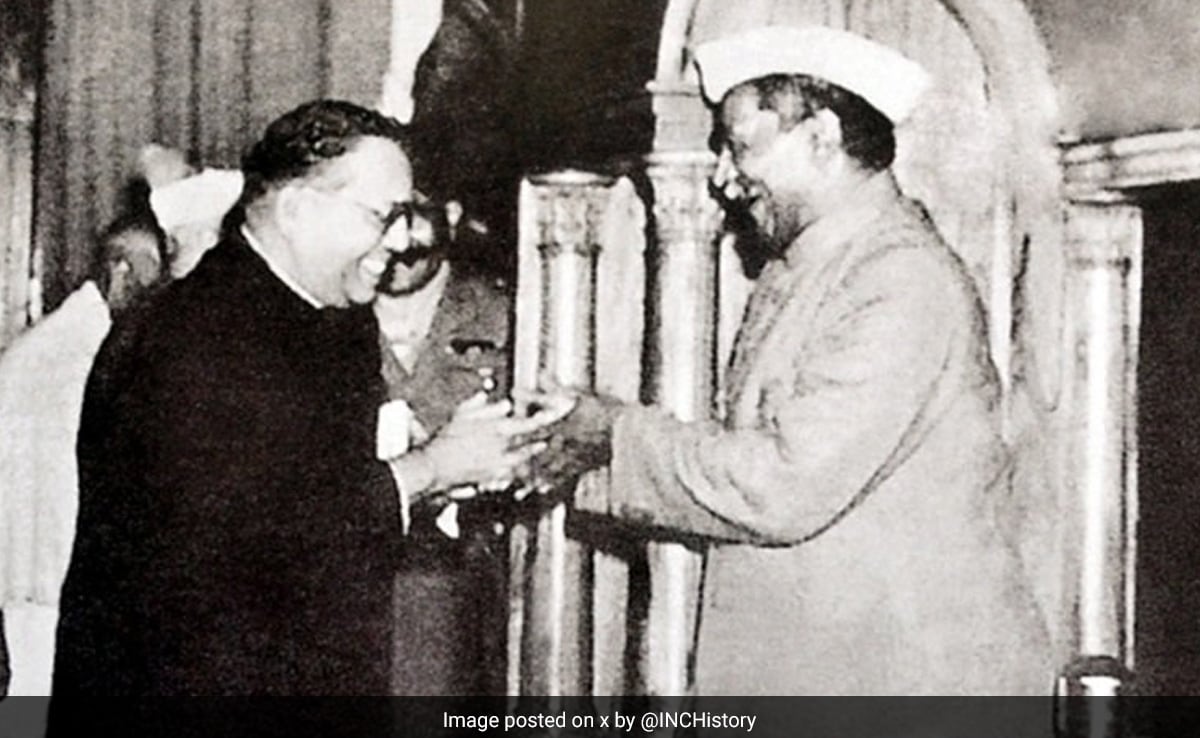
On January 26, 1950, the Constitution of India came into effect, replacing the colonial-era Government of India Act of 1935. This marked the birth of the Indian Republic, and Dr Rajendra Prasad assumed the presidency, symbolising a shift from allegiance to the British monarch to an independent Indian head of state.

The Constituent Assembly, which had toiled over the drafting process for approximately three years, transitioned into the Parliament of India until the nation conducted its first general elections in 1951-52. Dr BR Ambedkar, appointed as the chairman of the drafting committee, played a pivotal role in the constitution-making process. 

The deliberations and amendments over the new Constitution stretched over 2 years, 11 months, and 17 days, with 11 sessions held during this period, covering 165 days. The adoption of the Constitution on November 26, 1949, was a precursor to the Republic Day celebrations.

“We, the people of India having solemnly resolved to constitute India into a sovereign socialist secular democratic republic and to secure to all its citizens: justice, liberty, equality and fraternity,” read the preamble to the newly-drafted Indian Constitution.

The Republic Day celebrations, marked by a grand military parade in New Delhi, embraced and reinvented the colonial tradition of military parades. The inaugural Republic Day parade in 1950, held at the Irwin Amphitheatre opposite the Purana Qila in the national capital, set the stage for a tradition that would evolve over the years.

The significance of January 26 lies not only in the adoption of the Constitution but also in India severing its last ties to the British Empire. The day, chosen as Republic Day, witnessed the culmination of years of struggle for independence and the realisation of a dream to be a self-governing nation.
Read full article
Link copied!