onmynews.com
In Mangaluru, Dramatic Rescue Operation Saves Black Panther Trapped In Well
Under the leadership of Range Forest Officer Rajesh, the team swiftly set out for the scene to rescue the rare black panther.

Under the leadership of Range Forest Officer Rajesh, the team swiftly set out for the scene to rescue the rare black panther.
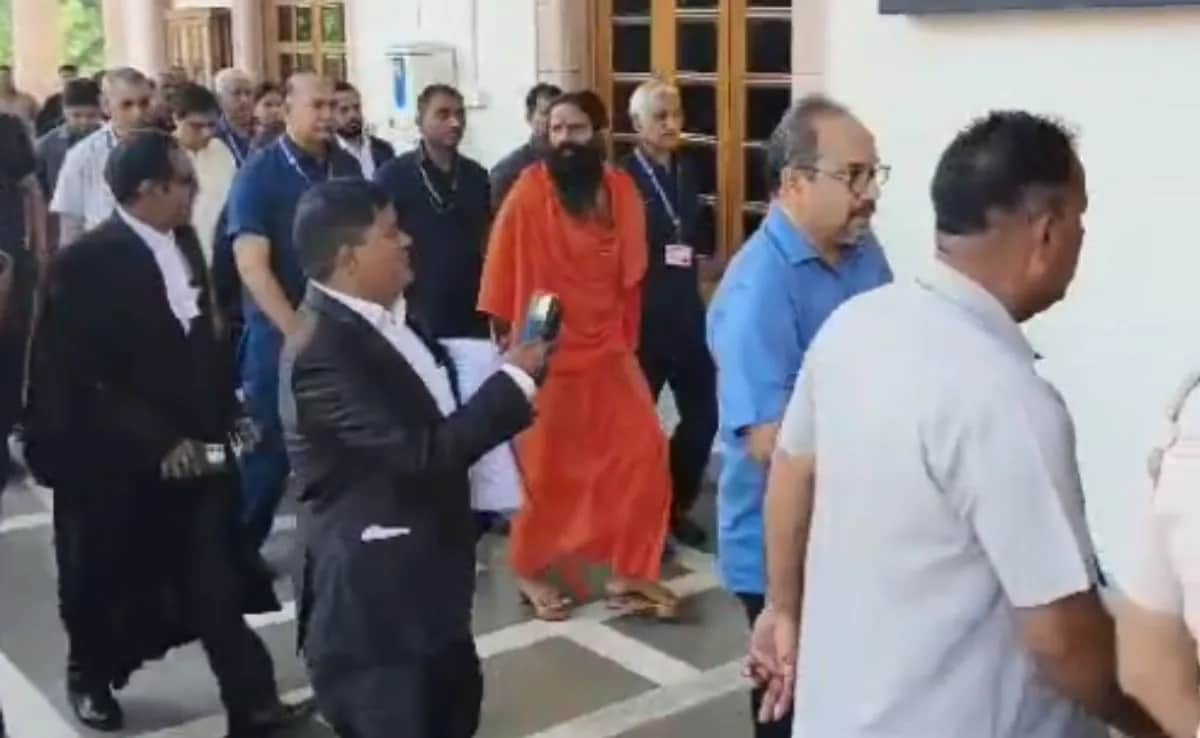
Patanjali Ayurved co-founder Baba Ramdev; the company’s top executive, Acharya Balakrishna; and the centre were reprimanded by the Supreme Court Tuesday during a hearing on misleading advertisements, including those that disparage modern medicine and medical practitioners.
Ramdev and Balakrishna were rapped for “absolute defiance” after filing improper versions of affidavits demanded by the court, while the centre was asked why it “chose to keep its eyes shut” despite Patanjali claiming Western medicine offered no protection against the COVID-19 virus.
A bench of Justice Hima Kohli and Justice Ahsanuddin Amanullah also asked the Ministry of AYUSH why it had not acted against Patanjali after “shocking” ads belittling contemporary medicine.
“We have questions for AYUSH…COVID was in 2022 and you (the centre) stated these (ayurvedic medicines) were, at best, a supplement to the main (the vaccines)… but this was not publicised… you did nothing to make this known. It was a critical period,” Justice Kohli said sternly.
READ | “Be Ready For Action”: Court To Ramdev In Misleading Ads Case
This is the second time in three months the centre has been rebuked; in February, the Supreme Court said “the government is sitting with its eyes closed” and demanded immediate action against “false” and “misleading” advertisements. “This is very unfortunate…” the court had said then.
The court then also urged the centre to find a remedy to the issue of misleading medical ads.
The court today also ripped into Ramdev and Balakrishna for the causal manner in which an affidavit – offering an unconditional apology for the ads – was filed last month. A furious court called the affidavit “indefensible” and “humbug”, and even suggested Patanjali Ayurved could be guilt of perjury.
READ | Patanjali’s Apology Day After Court Summons Ramdev In Ads Case
“You should have made sure the solemn undertaking should have been in letter and spirit. We can also say we are ‘sorry’… for not accepting it (the apology)… it is more of a lip service,” the court said.
The court was angered that Patanjali had, prima facie, continued to run ads ruled as misleading last year. The claim that the company’s media unit was unaware of the court order was dismissed.
“…every order passed by courts across the country has to be respected. This is absolute defiance,” a bench of Justice Hima Kohli and said, after Patanjali Ayurved’s lawyer folded his hands in apology.
“You have to abide by every undertaking given to the court… and you have broken every barrier,” a clearly displeased court told both Ramdev and Balakrishna, who were ordered to be present.
Responding to the court’s strong words, Solicitor-General Tushar Mehta acknowledged “what has happened should not have happened”. “It appears (that) the way the affidavits should have come… it has not come,” he told the court, underlining, however, that the centre could not take sides.
READ | Yoga Guru Ramdev Summoned By Court Over Patanjali’s Misleading Ads
“What I am suggesting is… if Your Lordships permit… then I can sit with the counsel (for Patanjali) and (decide) what can be done,” he continued, to which the court said, “We will decide that.”
Ramdev and Balakrishna have been given “one last chance” and must file the affidavits, in a proper manner, in one week. They must also present when the court hears this matter next – on April 10.
The top court is hearing a contempt case against Patanjali Ayurved over publication of advertisements making false claims about its products and their medical efficacy.
On February 27 the court had directed Patanjali to stop all electronic and print ads giving misleading information, with immediate effect.
READ | Court Warns Ramdev, Patanjali, Tells Them To Stop “Misleading” Ads
The case began last year after the Indian Medical Association filed a petition claiming a smear campaign by Baba Ramdev against the Covid vaccination drive and modern medicine.
NDTV is now available on WhatsApp channels. Click on the link to get all the latest updates from NDTV on your chat.
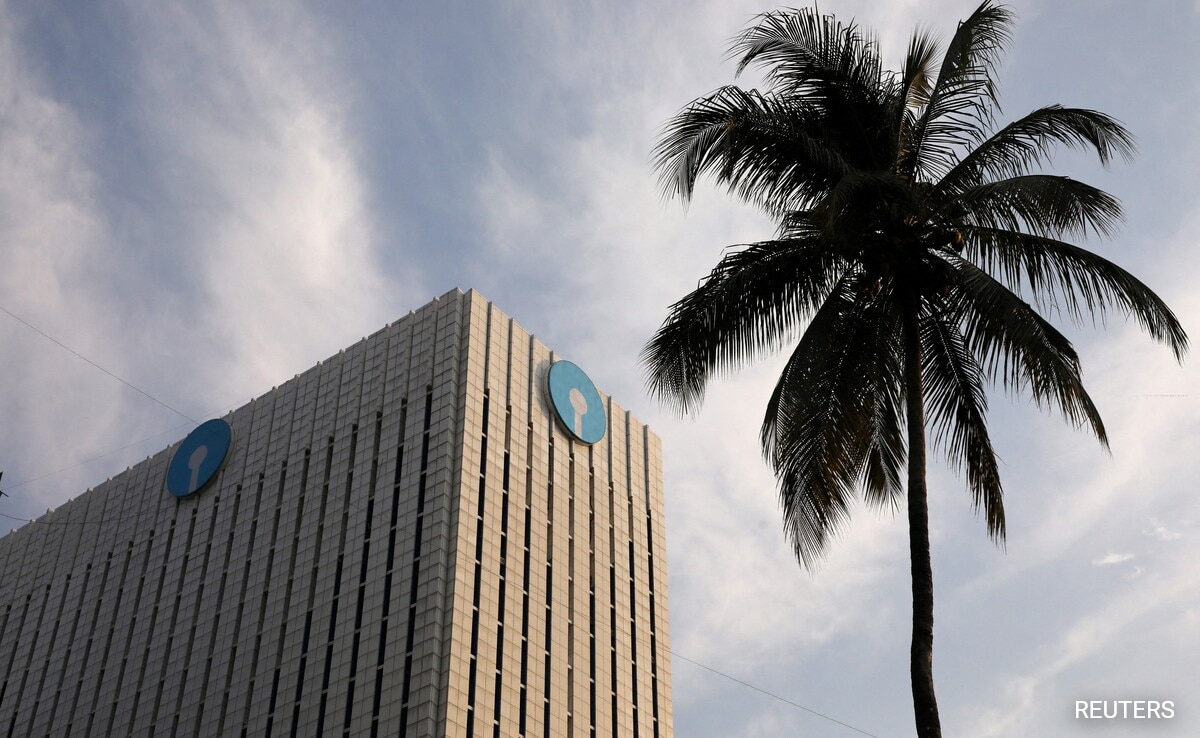
Weeks after it was pulled up by the Supreme Court on the electoral bonds issue, the State Bank of India has refused to reveal details of the Standard Operating Procedures issued to its branches regarding sale and redemption of bonds under the now-scrapped scheme.
Transparency activist Anjali Bhardwaj had filed a petition under Right To Information (RTI) Act, seeking information about the SOPs laid down by the bank for the electoral bonds scheme.
In a response by SBI’s Deputy General Manager M Kanna Babu, the bank has said the SOPs were internal guidelines and information regarding them are exempted from disclosure under the Section 8(1)(d) of the RTI law.
This section relates to “information including commercial confidence, trade secrets or intellectual property, the disclosure of which would harm the competitive position of a third party, unless the competent authority is satisfied that larger public interest warrants the disclosure of such information”.
The petitioner has said in a statement that the state-run bank has “blandly invoked the exemption clause without demonstrating how the disclosure would ‘harm the competitive position of a third party’. The denial will be challenged in appeal, she has said.
The development comes weeks after the Supreme Court pulled up SBI for the delay in sharing details of electoral bonds with the Election Commission of India. Following the landmark verdict in February that scrapped the poll bonds scheme, the bank had sought three months’ time to share the data. The court, however, refused its request and asked them to make the data public within two days. The court also warned that it will initiate contempt proceedings against the bank if it did not disclose the data at the earliest.
Soon after the bank shared the data, it came in for another round of reprimand from the court. The court asked why the bank had not disclosed the bond numbers. Thereafter, the bank shared the details and filed an affidavit declaring that it had disclosed all information related to the poll bonds scheme.
In its February 15 judgment, the Supreme Court scrapped the electoral bonds scheme on the grounds that it violates the citizens’ right to information. The scheme, Chief Justice of India DY Chandrachud said, was unconstitutional and arbitrary and may lead to a quid pro quo arrangement between political parties and donors.
The Constitution bench of five judges held that the stated objective of fighting black money and maintaining the confidentiality of donors cannot defend the scheme. Electoral bonds, the court said, are not the only way to curb black money.