onmynews.com
OnMyNews.com
Live · Global · Independent
Live Feeds

onmynews.com
Watch: Viral Video Shows How Black Salt Is Made, Internet Is Not Impressed
Black salt, known as kala namak, is a distinctive condiment in Indian cooking. Its signature pinkish-grey or purple hue and sulphurous aroma make it a staple in various Indian dishes. Beyond its culinary use, black salt is recognised in traditional medicine for its digestive properties and is often relied upon to alleviate indigestion and gas. It also plays a crucial role in popular Indian street foods. Additionally, black salt has cultural and religious significance in India, used in rituals and festivals. Sourced primarily from the Himalayan region, its traditional hand-harvesting and sun-drying methods add to its appeal, making it a versatile and culturally rich ingredient in Indian cuisine and daily life.
Also Read: Watch: Video Shows How Vanilla Ice Cream Is Prepared In Factory
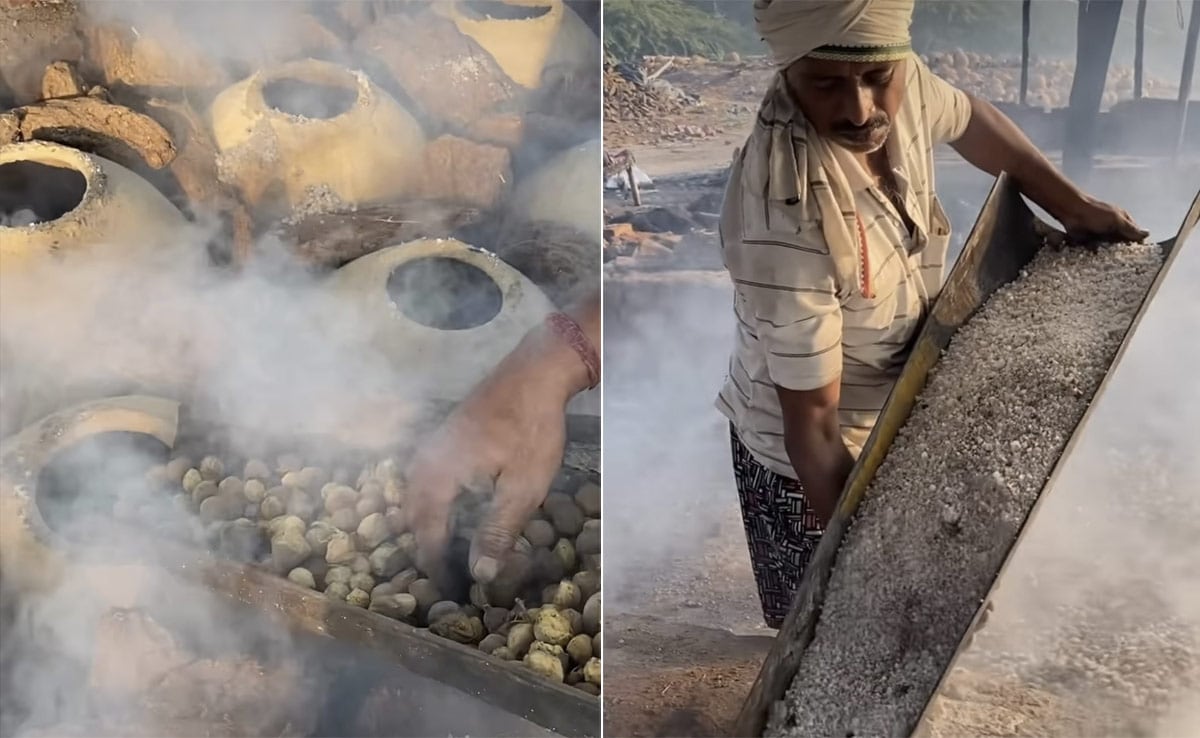
In a video shared by a food blogger on Instagram, we witness people in Uttar Pradesh engaging in the production of black salt. The process unfolds under the scorching sun as they arrange dried cow dung cakes on a wooden slab and add coal pieces to fuel the fire. Next, they cut rubber tubes into sections, set them on fire, and place the burning tubes over the setup. Additional cow dung cakes are layered over the fire, and one-time-use clay pots are positioned atop them, containing rock salt. To purify it, they employ natural toxin-absorbing balls known as Harana. The process intensifies as they place more coal pieces on top of the pots. Next, they securely cover the clay pots with clay lids and leave them to bake for 24 hours. After this time, they retrieve the clay pots using metal pokes and open them, revealing solid pieces of black salt. These pieces are then broken down or ground into a finer salt, rendering it suitable for consumption. Take a look:
This unique process of making black salt worried viewers online. One concerned user asked, “Brother does not look healthy in any way. Burning tyre and coal, what are we eating?” “Was burning rubber tyres necessary? Highly toxic if I’m not wrong,” read a comment. A person claimed that the salt in the video was “fake”. Echoing a similar sentiment, another added, “This is fake Himalayan salt or black salt. Please avoid consuming this. It can cause kidney stones and other diseases as it contains heavy metals like lead, mercury, etc. as the base material is sea salt which is contaminated.
Also Read: Watch: Viral Video Shows How Salted Green Matar Is Made; Internet Is Not Impressed
A user quoted the information available on Google and said, “Burning tires release a significant amount of toxic pollutants into the air. These pollutants include sulphur dioxide (SO2), nitrogen oxides (NOx), carbon monoxide (CO), volatile organic compounds (VOCs), and particulate matter (PM), including fine particles known as PM2.5.”
What do you think of this video? Share your thoughts in the comments below.
onmynews.com
AAP Likely To File Review Petition Against Order Denying Bail To Manish Sisodia
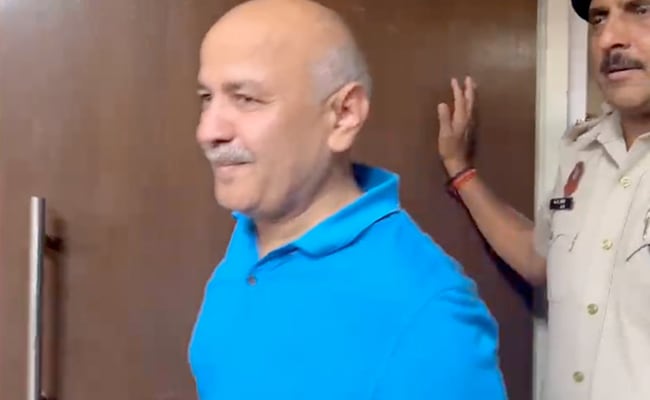
The Aam Aadmi Party is planning to file a review petition against the Supreme Court’s decision rejecting former Delhi deputy chief minister Manish Sisodia’s bail plea, party sources said on Monday.
In a setback to Mr Sisodia, the top court earlier in the day rejected his regular bail pleas in corruption and money-laundering cases related to the alleged Delhi excise policy scam and said the transfer of Rs 338 crore was tentatively established in the matter.
“The party is planning to file a review petition against the order,” a party source said.
A bench of Justice Sanjiv Khanna and Justice SVN Bhatti said it has recorded the statements of the probe agencies that the trial in these cases will conclude in six to eight months.
But if the trial proceeds in a “sloppy manner”, Mr Sisodia will be at liberty to apply for bail in these cases in three months, the bench said.
AAP leader Atishi said the party and its leaders respect the Supreme Court but do not agree with its order.
At a press conference here after the order, Atishi said the court has given an “adverse order” despite making sharp observations against probe agencies.
“While his bail plea was being heard, the Supreme Court constantly asked the ED tough questions like where is the money trail. The apex court also pointed out that the case is based on the statement of one approver Dinesh Arora,” she said.
“Despite these sharp observations, the SC gave an adverse verdict. We will study that order deeply and explore our legal options and decide our next step,” she added.