Live · Global · Independent
Live Feeds
PinkVilla
Forbes
NDTV
Hindustan Times
Man Who Punched Pune Woman In Road Rage Case Arrested Along With Wife
onmynews.com

Man Who Punched Pune Woman In Road Rage Case Arrested Along With Wife

An elderly man and his wife have been arrested in Pune for allegedly assaulting a woman who was travelling on a scooter with two children yesterday, the police said. 

In a shocking incident of road rage, Swapnil Kekre – who was allegedly angry because he wasn’t given space to overtake – pulled the woman’s hair and punched her twice with such force that her nose began bleeding extensively.

A case was registered against Swapnil Kekre after Jerlyn D’Silva, a digital content creator, posted a video narrating her ordeal.

Jerlyn D’Silva claimed she was on the Pashan-Baner Link Road on a scooter with her two children and Mr Kekre in his car had been speeding behind them for nearly 2 km.

She said she moved her scooter to the left of the road, not wanting to come in the car’s way, but the man overtook her and stopped in front of her scooter.

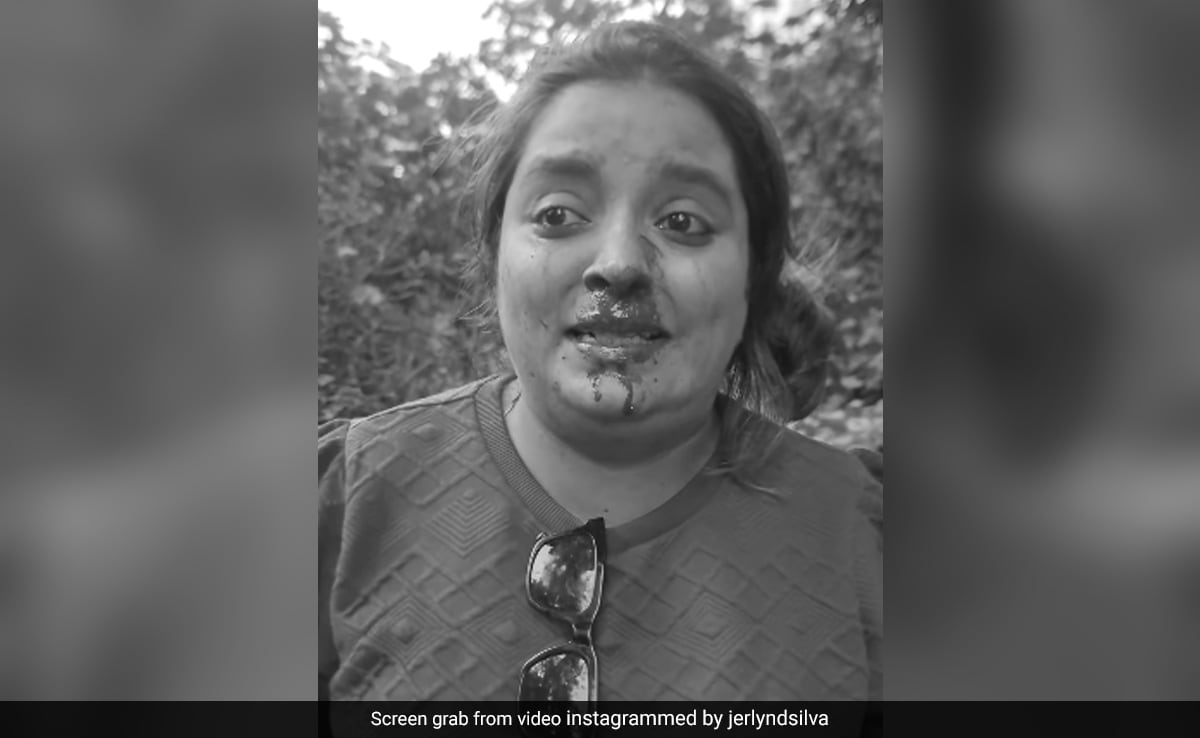
“He got out of the car very furiously. He punched me twice and pulled my hair. I had two kids, he didn’t care about them. How safe is this city? Why are people behaving like maniacs? I had two kids with me, kuch bhi ho sakta tha (anything could have happened)… A woman helped me,” Ms D’Silva said in the video, with blood around her nose and mouth.

Speaking to NDTV, Ms D’Silva’s uncle, Vishal, said she called him after the incident and told him that the man assaulted her for “no reason”.

“She told me the man in the car assaulted her for no reason. The scooter didn’t touch his car. He probably did it just to show how powerful he was. The man’s wife was with him but she didn’t try to stop him. The children weren’t hurt physically but they were scared and screaming,” he said.

The incident occurred exactly two months after a 17-year-old allegedly drunk boy rammed his Porsche into two 24-year-old techies in Pune, killing them on the spot. He is out on bail.

Last week, the 25-year-old allegedly drunk son of a politician hit a poultry truck while speeding in his SUV in the city, leaving its two occupants seriously injured. He fled but was caught and a case has been registered against him.

Read full article
53 Years Later, “Razakar-Dictator” Shouts Return to Bangladesh Politics
onmynews.com

53 Years Later, “Razakar-Dictator” Shouts Return to Bangladesh Politics

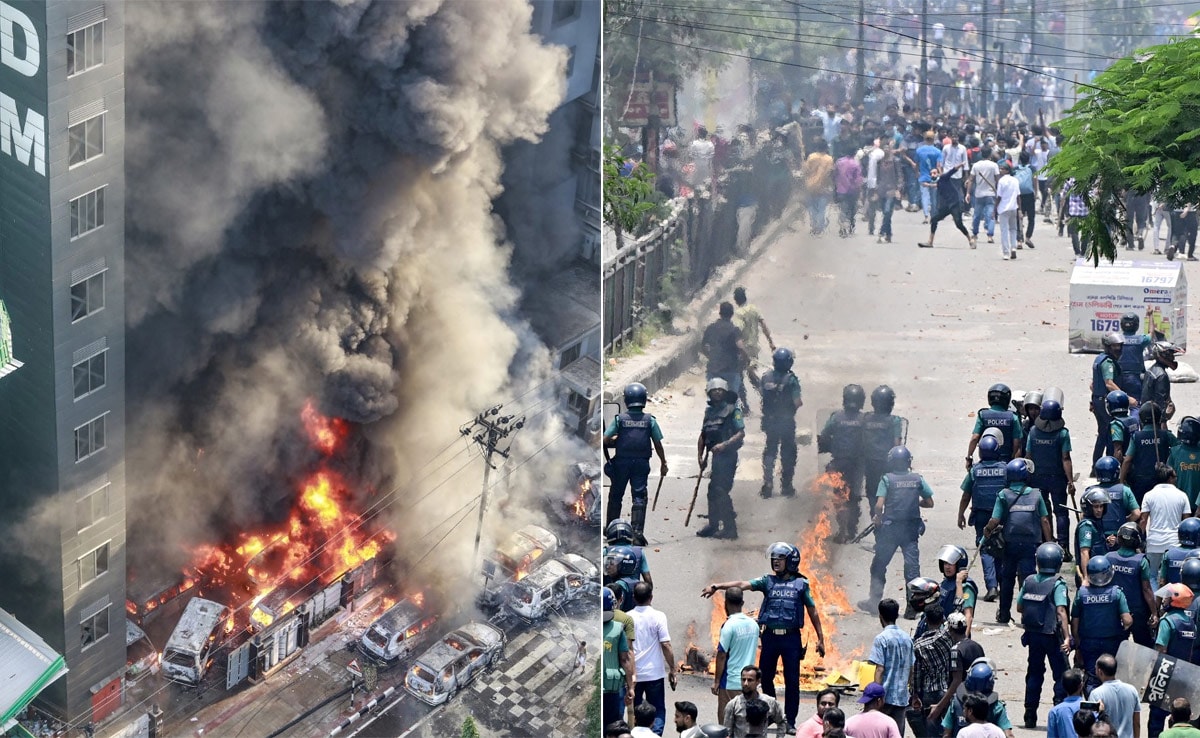
Violence in Bangladesh has left over 130 dead as students demand reforms to a quota system governing the allocation of government jobs in the country. The protests intensified following Prime Minister Sheikh Hasina’s controversial remarks, where she labelled the protestors as “Razakars”. This term, historically loaded and carrying a negative connotation, harks back to the East Pakistani volunteer force that opposed the creation of Bangladesh as a sovereign nation during its 1971 War of Independence.

The Spark

The protests, which began late last month, reached a boiling point earlier this week when student activists at Dhaka University, the largest university in the country, engaged in violent clashes with police and counter-protesters aligned with the ruling Awami League.

The controversial quota system reserves up to 30 per cent of government jobs for family members of veterans who fought in Bangladesh’s 1971 war of independence against Pakistan. Protesters argue that this system is discriminatory and disproportionately benefits supporters of Prime Minister Hasina’s Awami League party. They advocate for a merit-based system to replace the existing quota. Prime Minister Hasina’s fiery remarks at a public gathering ignited further protests.

“If not the grandchildren of the freedom fighters, then who will get quota benefits? The grandchildren of the ‘Razakars’?” the Bangladeshi PM asked. “This is my question. I want to ask the people of the nation. If the protesters don’t comply, I can do nothing. They can continue their protest. If protesters damage properties or attack cops, the law will take its course. We can’t help.”

PM Hasina’s intent was to highlight the importance of preserving benefits for the descendants of those who fought for Bangladesh’s independence. However, the term “Razakar” struck a raw nerve. It is a term that conjures up memories of widespread violence from the 1971 War of Independence, during which the “Razakars” collaborated with the Pakistani army against the Bengali nationalist movement.

Historical Context Of The Term “Razakar”

The “Razakars” were a paramilitary force recruited by the Pakistani army during the 1971 Bangladesh Liberation War. Comprised primarily of pro-Pakistani Bengalis and Urdu-speaking Biharis, the “Razakars” were involved in numerous atrocities, including mass killings, rapes, and torture. The 1971 war saw immense suffering, with estimates of civilian deaths ranging from 300,000 to 3 million. The scars of these events are still evident in the national psyche.

In 2010, Prime Minister Hasina’s government established the International Crimes Tribunal to prosecute those accused of war crimes during the 1971 conflict. This move was part of her strategy to address historical injustices and was widely seen as a fulfilment of her party’s electoral promises. The tribunal has since convicted several individuals, predominantly from the now-banned Jamaat-e-Islami party.

In December 2019, the government published a list of 10,789 individuals identified as “Razakars”, marking the first official recognition of these collaborators. This list included prominent figures and was intended to ensure that future generations understand the historical context of their actions.

The Contentious Quota System

The current protests are rooted in the quota system for government jobs, which allocates significant portions to descendants of freedom fighters. This system, established in 1972 and abolished briefly in 2018 before being reinstated, has been a source of contention. Critics argue that it disproportionately benefits Awami League supporters and limits opportunities for other qualified candidates.

“They are protesting against the repressive nature of the state,” said Mubashar Hasan, a Bangladesh expert at the University of Oslo in Norway, as quoted by news agency AFP. “Protesters are questioning Hasina’s leadership, accusing her of clinging onto power by force. The students are in fact calling her a dictator.”

Student protests against the quota system have a history in Bangladesh. The latest wave began after the decision to reinstate the system, which was followed by the Supreme Court suspending the order pending a government appeal. This legal limbo has left many students frustrated, feeling that their demands for a merit-based system are being ignored.

The students’ grievances extend beyond the quota system. High youth unemployment and a stagnant economy have all contributed to a sense of frustration and despair. Public sector jobs, with their regular wages and benefits, are highly coveted in a country where economic opportunities are limited.
 

Read full article
How The “Vampire” Serial Killer Murdered 42 Women, Packed Them In Sacks
onmynews.com

How The “Vampire” Serial Killer Murdered 42 Women, Packed Them In Sacks

When his house was searched, police found a machete, industrial rubber gloves, rolls of Sellotape, and nylon sacks, among other things. The man to whom this house belonged has confessed to killing 42 women, including his wife, and mutilating many of his victims, stuffing the body parts in sacks and dumping them in a scrapyard in Kenya’s capital Nairobi. 

Collins Jumaisi Khalusha, 33, has been described as a “vampire” and a “psychopathic serial killer who has no respect for human life.” Khalusha’s horrific acts have come to light amidst political turmoil and a rising wave of gender-based violence in the country.

The Discovery

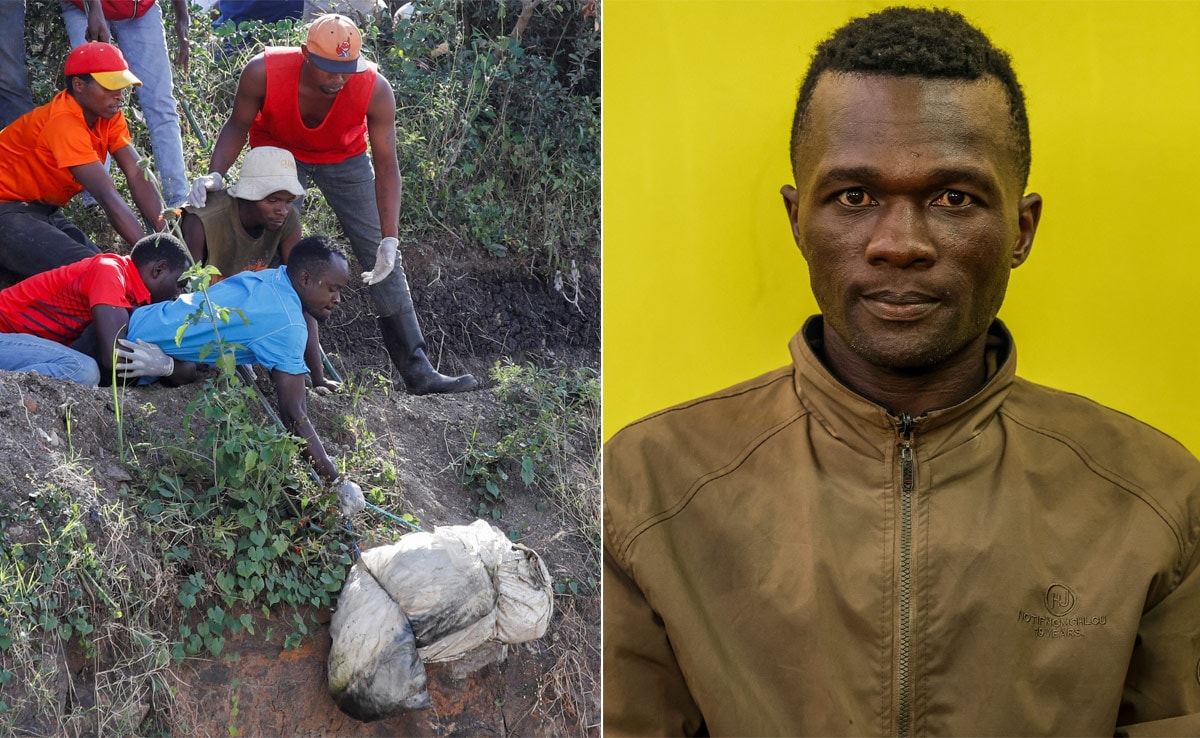
The grisly discovery began when dismembered bodies of nine women were found at an abandoned quarry used as a rubbish dump in Nairobi’s Mukuru slums. This site, a dumping ground for local residents, became the final resting place for many of Khalusha’s alleged victims.

The suspect, who lived in a nearby decrepit room, confessed to luring, killing, and disposing of his victims on the ground.

The Arrest

The Kenyan police arrested Khalusha days after the discovery. Prosecutors confirmed that Khalusha had confessed to the murders, including that of his wife. The victims were killed between 2022 and the date of Khalusha’s arrest.

At Khalusha’s residence, detectives found several mobile phones, identity cards, and nylon sacks similar to those used to wrap the victims’ bodies. This evidence pointed to a methodical and premeditated series of killings, which has prompted some to dub him the “Kenyan Ted Bundy”. 

The Victims

Among the victims was Josephine Owino, a 26-year-old hair braider from Mukuru Kwa Njenga. Owino disappeared after receiving a phone call one morning. Her sister, Peris Keya, searched for her, eventually reaching the dumping ground, where she convinced local men to search for bodies. Their efforts uncovered sacks containing mutilated remains.

Forensic examination of the bodies revealed shocking details. According to Dr Johansen Oduor, a government pathologist, most sacks contained amputated limbs and torsos. Only one intact body was found, and none of the corpses bore bullet wounds. One victim had been strangled. DNA analysis has identified two of the bodies, though many remain unidentified due to advanced decomposition.

Police Scrutiny And A Big Allegation

The Kenyan police force has been criticised for failing to act on reports of missing women. The fact that the dumping ground is situated near a police station has raised questions about police oversight and competence. 

The revelation of these murders has rattled Kenya, a country already dealing with political unrest and economic challenges. Protests against tax hikes and government corruption have been widespread, with many fearing that the authorities are using Khalusha’s case to divert attention from political issues. This skepticism is fueled by Khalusha’s lawyer, John Maina Ndegwa, who claims that his client was abused by officers and coerced into confessing.

During his first court appearance, his lawyer demanded that Khalusha receive medical attention, alleging mistreatment by the police. The court has granted an extension for Khalusha’s detention, allowing investigators more time to build their case.

Read full article
…
Link copied!