onmynews.com
‘Waqf Act Won’t Be Implemented In Bengal’: Mamata Reiterates Stance Amid Violent Protests Across State
Mamata Banerjee stated that her government will not implement the BJP government’s newly enacted Waqf law in West Bengal.
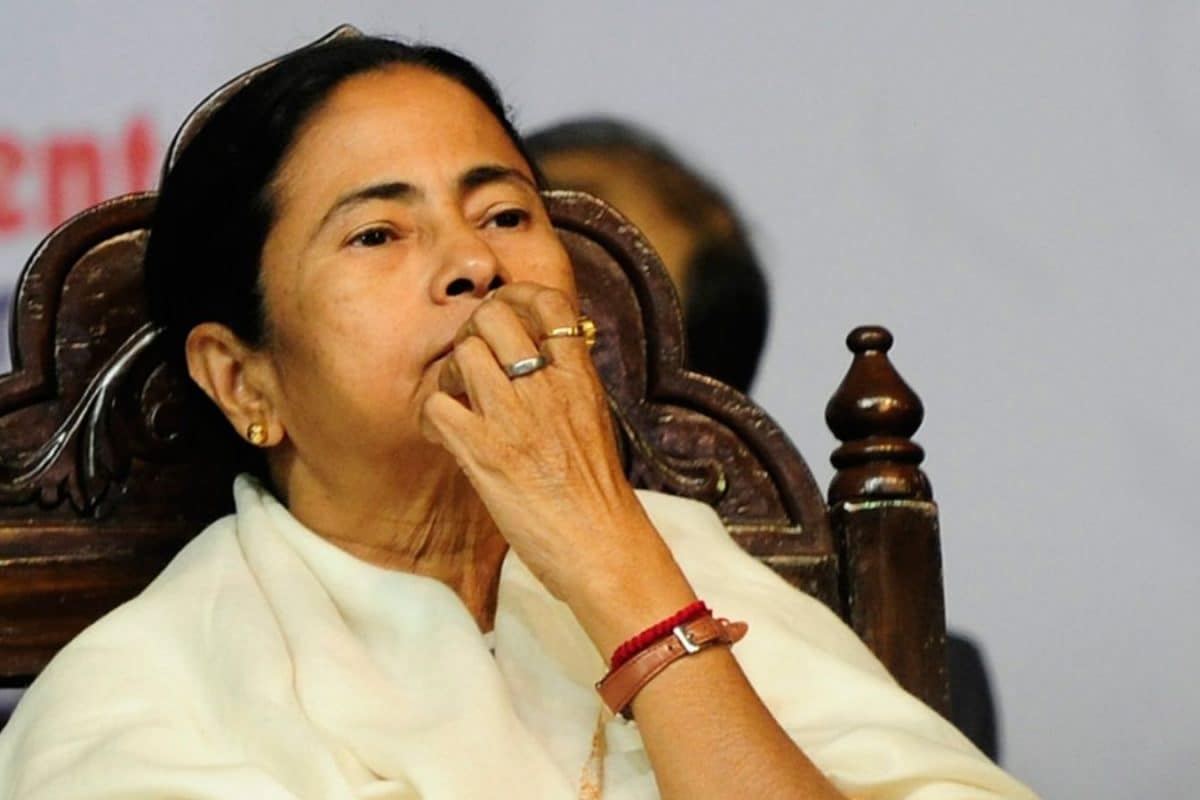
Mamata Banerjee stated that her government will not implement the BJP government’s newly enacted Waqf law in West Bengal.
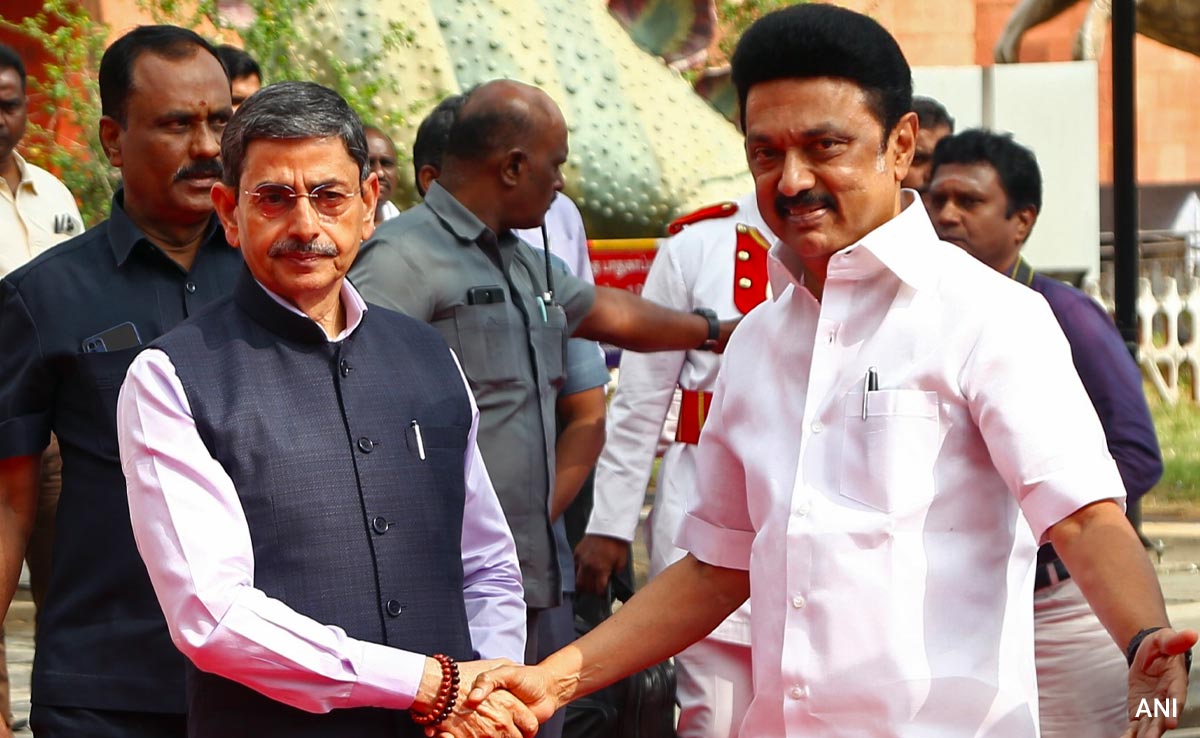
Ten bills – each cleared twice over by the Tamil Nadu government but denied assent by Governor RN Ravi since 2020, amid his hostile stand-off with the ruling DMK – have finally become laws.
And, in a historic moment, they became laws without a sign-off from the Governor or President Droupadi Murmu, after the Supreme Court this week ruled the former’s withholding of assent “illegal”, and said he could not reserve bills for Ms Murmu after denying assent.
A bench of Justice SB Pardiwala and Justice R Mahadevan ordered, “… these bills shall be deemed to be cleared from the date it was re-presented…”, noting the Governor could not reserve a bill for the President’s consideration if he withheld consent in the first instance and it had then been re-sent.
READ | Supreme Court’s Big Verdict On Governor’s Powers In Tamil Nadu Case
Chief Minister MK Stalin hailed the “historic verdict” and said, “This is a big victory for all Indian states…” the DMK leader said, referring to similar disputes involving other non-BJP states.
READ | “Historic Verdict…”: MK Stalin Welcomes Top Court Rap For Governor
Therefore, they have become laws – i.e., from November 18, 2023 – after the state government issued gazette notifications to that effect. They include amended rules on the appointment of Vice Chancellors of state-run universities. They reduce the power of the Governor to make such appointments.
#BREAKING | ஆளுநருக்கு எதிரான வழக்கில் உச்ச நீதிமன்றம் அளித்த தீர்ப்பு வெளியானதை அடுத்து, தமிழ்நாடு அரசிதழில் 10 மசோதாக்களும் சட்டமானதாக அறிவிப்பு
10 மசோதாக்களையும் ஆளுநர், குடியரசுத் தலைவருக்கு அனுப்பியது சட்ட விரோதம் என உச்ச நீதிமன்றம் தீர்ப்பு வழங்கியதுடன், அம்மசோதாக்களுக்கு… pic.twitter.com/4FFd1YnqkJ
— Sun News (@sunnewstamil) April 12, 2025
The Governor had earlier twice returned these bills to spark a political row, prompting a furious Tamil Nadu Assembly to hold a special session to re-pass – unanimously – the bills and re-send them to him.
But the Governor still withheld assent and later referred them to the President.
The long-running squabble had been viewed unfavourably by the Supreme Court, which repeatedly questioned Mr Ravi. In February it asked him why it took him three years to find ‘issues’ with some bills.
That was a month after the court made strong observations and asked the state government and the Governor to resolve their differences. “Otherwise, we will resolve it,” the court had said.
READ | “Resolve Or…”: Top Court Warns Tamil Nadu Government, Governor
The DMK had first approached the Supreme Court in 2023 asking for directions to the Governor to clear the 10 bills, which include two passed by the earlier AIADMK-led government.
Chief Minister MK Stalin’s party accused Mr Ravi – who was appointed by the BJP – of deliberately delaying the bills and scuttling development by “undermining the elected administration”.
Appearing then for Mr Ravi, Solicitor General Tushar Ravi argued the Governor, of any state, “is not a mere technical supervisor” and that s/he had an important role to play in passing bills.
This week the court, as it has in the past, noted that Governors – under Article 200 of the Constitution – had only three options – clear presented bills, withhold assent, or send them to the President.
The court also prescribed timelines to exercise these options – one month – and said missing these timelines would invite further judicial scrutiny of the Governor’s action.
The court also clarified that it is “in no way undermining the Governor’s powers”. “All actions of the Governor must align with the principle of parliamentary democracy.”
NDTV is now available on WhatsApp channels. Click on the link to get all the latest updates from NDTV on your chat.
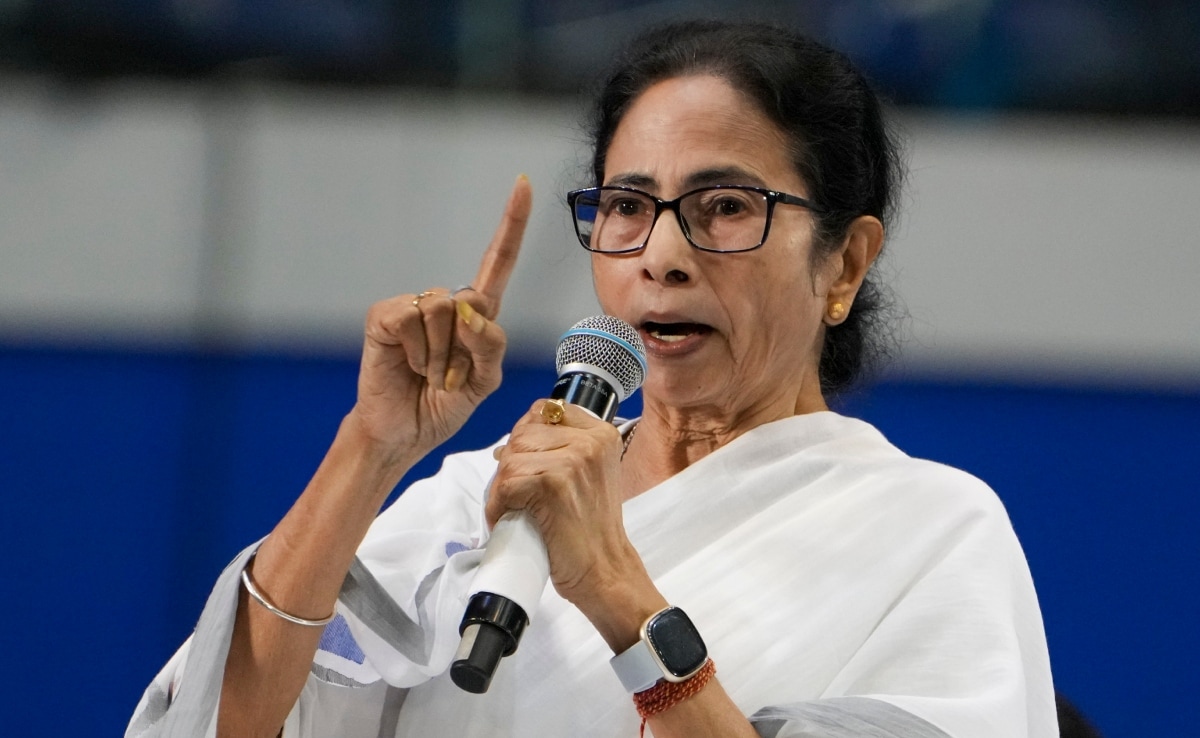
The Waqf (Amendment) Act will not be implemented in West Bengal, Chief Minister Mamata Banerjee said on Saturday amid violent protests in the state. Ms Banerjee said the law was made by the Centre, and answers should be sought from it.
“My sincere appeal to people of all religions, please remain calm, remain restrained. Do not engage in any irreligious behaviour in the name of religion. Every human life is precious; do not incite riots for the sake of politics. Those who are inciting riots are harming society,” she said in a post on X.
Several vehicles, including police vans, were set on fire, stones were hurled at security forces, and roads were blocked as violence rocked Malda, Murshidabad, South 24 Parganas and Hooghly districts during protests over the new legislation on Friday.
“Remember, we did not make the law over which many are agitated. The law was made by the central government. So the answer you want should be sought from the central government,” the CM said.
“We have made our position clear on this matter — we do not support this law. This law will not be implemented in our state. So what is the riot about,” she asked.
Ms Banerjee said legal action will be taken against those inciting riots.
“We do not condone any violent activity. Some political parties are trying to misuse religion for political gain. Do not give in to their persuasion,” she said.
“I think religion means humanity, goodwill, civilisation and harmony. I appeal to everyone to maintain peace and harmony,” she added.
(Except for the headline, this story has not been edited by NDTV staff and is published from a syndicated feed.)