onmynews.com
FSSAI Lists Packaged Drinking Water As High-Risk Food Category, Mandates Stricter Checks
The FSSAI has reclassified packaged drinking water and mineral water as a highrisk food category, mandating stricter regulatory controls.
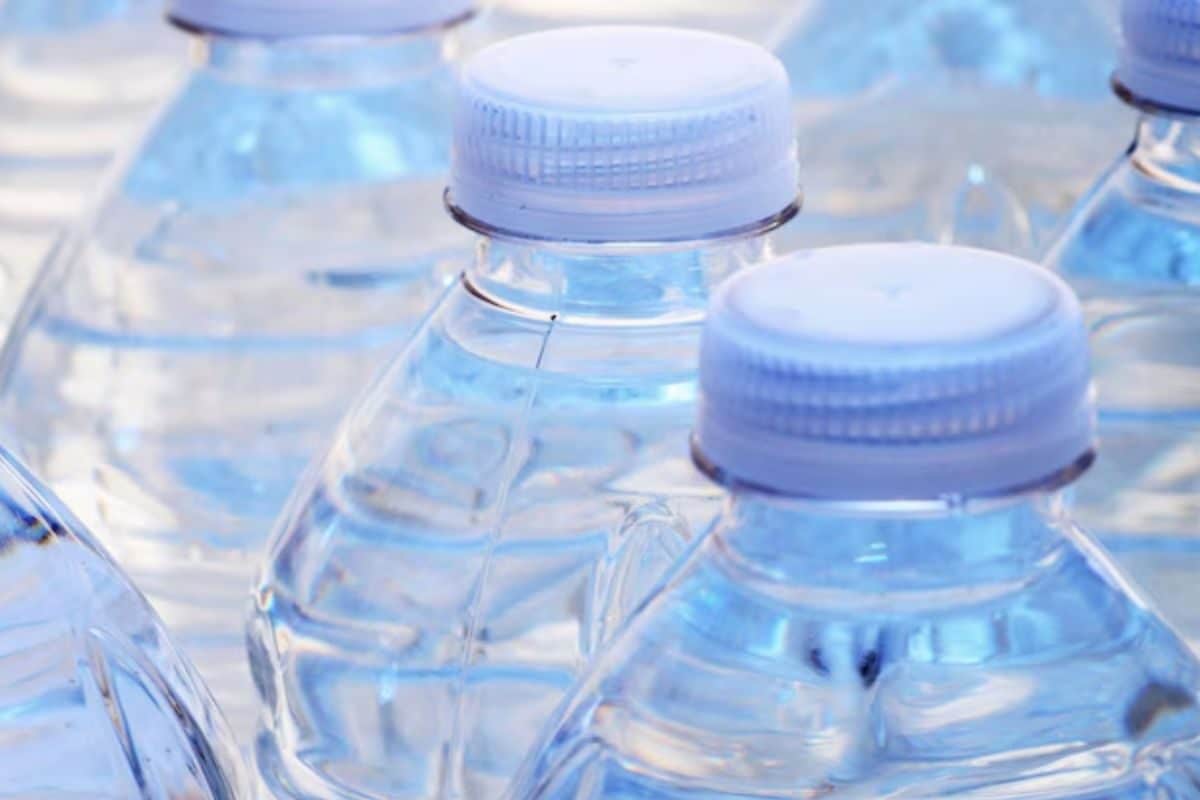
The FSSAI has reclassified packaged drinking water and mineral water as a highrisk food category, mandating stricter regulatory controls.
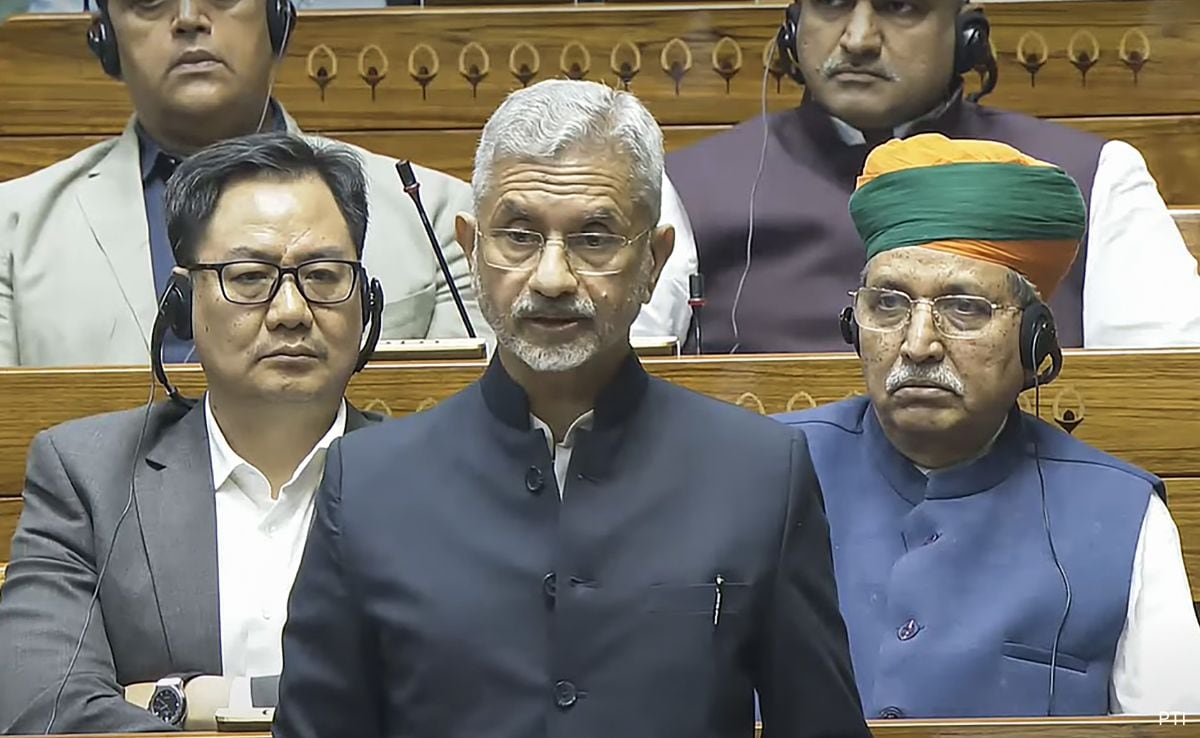
India-China ties – “abnormal” since April 2020, when the two militaries clashed in parts of eastern Ladakh, leading to fatalities on both sides for the first time in 45 years – have improved recently, External Affairs Minister S Jaishankar told the Lok Sabha Tuesday, explaining that “continuous diplomatic engagement since then (has) set our ties in the direction of some improvement”.
India remains committed, Mr Jaishankar said, to engaging with China “through bilateral talks to arrive at a fair, reasonable and mutually acceptable settlement for the border issue”.
It is, however evident, he told Parliament, that management of border areas will require further attention in light of our recent experiences. He flagged three key principles to be observed in all circumstances.
The first is that both sides should strictly respect and observe the LAC. The second is that neither should attempt to unilaterally alter the status quo, and the third is that agreements and understandings reached in the past must be fully abided by in their entirety.
“Members will recall the amassing of a large number of troops by China along the LAC (Line of Actual Control) in eastern Ladakh in April-May 2020 resulted in face-offs with our forces at a number of points. The situation also led to disruption of patrolling activities,” the EAM began his remarks.
“It is to the credit of our armed forces that despite logistical challenges, and the then prevailing Covid situation, they were able to counter-deploy rapidly and effectively,” he said.
“While a determined counter-deployment of adequate capability was the immediate response, there was also the imperative of a diplomatic effort to defuse tensions and restore peace and tranquility.”
That diplomatic effort, which included nearly two dozen rounds of talks between military commanders, the most recent on August 29, led to the October agreement, under which Indian and Chinese troops returned to positions, and resumed patrolling routes, prior to the April 2020 face-off.
READ | “Back To 2020 Patrolling”: S Jaishankar To NDTV On India-China Pact
Last week the government said that deal had been implemented as agreed.
READ | Army “Successfully” Completes Patrolling To Key Point In Depsang
The agreement – announced hours before Prime Minister Narendra Modi’s visit to Russia for a BRICS Summit at which China’s Xi Jinping would also be present – was seen as a roadmap to restoration of peace and tranquility along the LAC, a status quo the Indian government has often spoken about as the first, and a necessary, step towards any normalisation of relations between the two countries.
READ | PM Modi, Xi Welcome “Complete Disengagement” Along LAC
On that topic, Mr Jaishankar said the immediate priority – of disengagement of troops from friction points in eastern Ladakh, specifically in the Depsang and Demchok areas, had been “fully achieved”.
The next priority is to consider de-escalation, which will address amassing of troops along the Line of Actual Control, which serves as the de facto international border, the External Affairs Minister said.
Mr Jaishankar’s remarks came two weeks after Defence Minister Rajnath Singh met his Chinese counterpart, Dong Jun, for a first ministerial-level meet since the disengagement in eastern Ladakh.
READ | India, China Defence Ministers’ 1st High-Level Talks Post Disengagement
Mr Singh and Mr Dong, a former naval Commander appointed in December last year, met on the sidelines of a two-day, 10-nation ASEAN summit in Laos that began November 20.
Disenagement and patrolling in Depsang and Demchok follows similar positive actions on the north and south banks of the Pangong Lake in 2021, and in the contentious Gogra-Hot Springs area in September a year later. In each case the two sides withdrew to pre-April 2020 positions.
NDTV is now available on WhatsApp channels. Click on the link to get all the latest updates from NDTV on your chat.
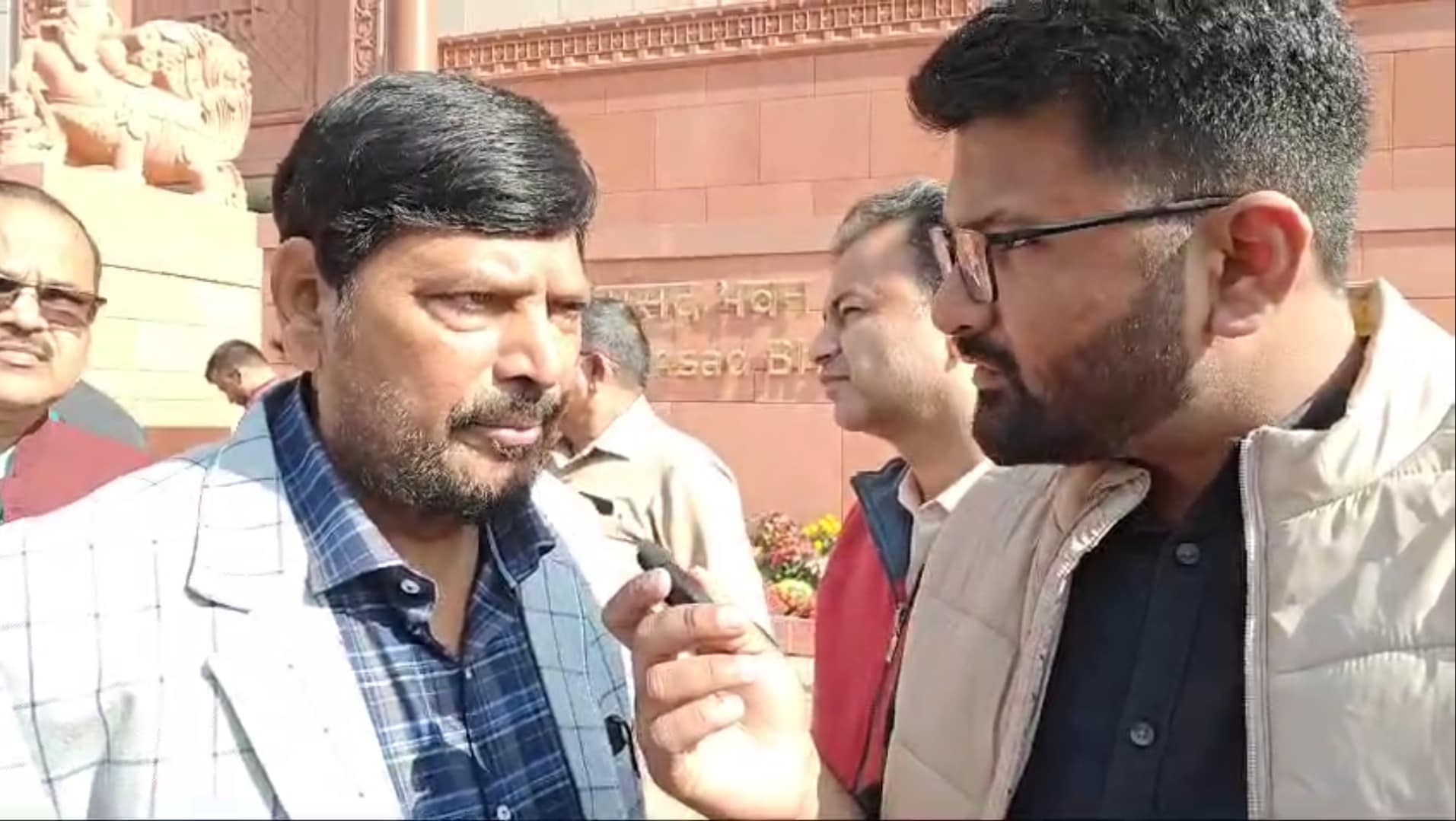
Amid the long-drawn suspense in Maharashtra over the Mahayuti’s Chief Minister choice, BJP ally and Union Minister Ramdas Athawale has said Shiv Sena chief Eknath Shinde is “upset” over the BJP claiming the Chief Minister post and offered him the Deputy Chief Minister post.
Citing the example of BJP leader Devendra Fadnavis serving as Deputy Chief Minister under Mr Shinde in the previous government despite the BJP having more MLAs, the Republican Party of India (Athawale) chief suggested that Mr Shinde should accept the Deputy post or a top position in Mahayuti.
NDTV spoke to Mr Athawale outside Parliament House today and asked him about the delay in the Mahayuti announcing its Chief Minister pick after its mammoth victory in the state polls. “The BJP high command told Eknath Shinde that it is not ready to give him Chief Ministership now because they have already given two-and-a-half years to Shinde ji. BJP thinks the Chief Minister should be from the BJP and the name of its candidate in Devendra Fadnavis although they have not announced it officially.”
The 132 newly elected MLAs of the BJP will be meeting today and a final announcement is expected by tomorrow. The BJP has already announced that the swearing-in event will take place on Thursday and preparations are in full swing.
Mr Athawale said Mr Shinde is “upset” at being denied the Chief Minister post. “My suggestion is… Devendra Fadnavis had accepted the Deputy CM post in Eknath Shinde’s government. Like Devendra Fadnavis, Eknath Shinde should also take a chance with the Deputy CM post. If he is not ready to take that post, he should be the chairman of Mahayuti or he can come to the Centre,” he said.
Over the past 10 days, Sena leaders have said the election was won under Mr Shinde’s leadership and the BJP should acknowledge that. The Sena chief, however, has said in a statement that he won’t be an obstacle in government formation and left the final call to Prime Minister Narendra Modi and Home Minister Amit Shah.
In the Mahayuti’s massive mandate of 230, the BJP holds 132 MLAs, Sena 57 and NCP 41. The NCP has reportedly thrown its weight behind the BJP, so Mr Shinde does not have much leverage. The BJP, which had propped up Mr Shinde as Chief Minister after his mutiny toppled the Uddhav Thackeray government and split Shiv Sena, has made it clear that it won’t give up the top post this time.