onmynews.com
Supreme Court Setback For Sharad Pawar, Ajit Pawar Can Continue Using Clock Symbol
Supreme Court setback for Sharad Pawar before Maharashtra polls, Ajit Pawar can continue using clock symbol
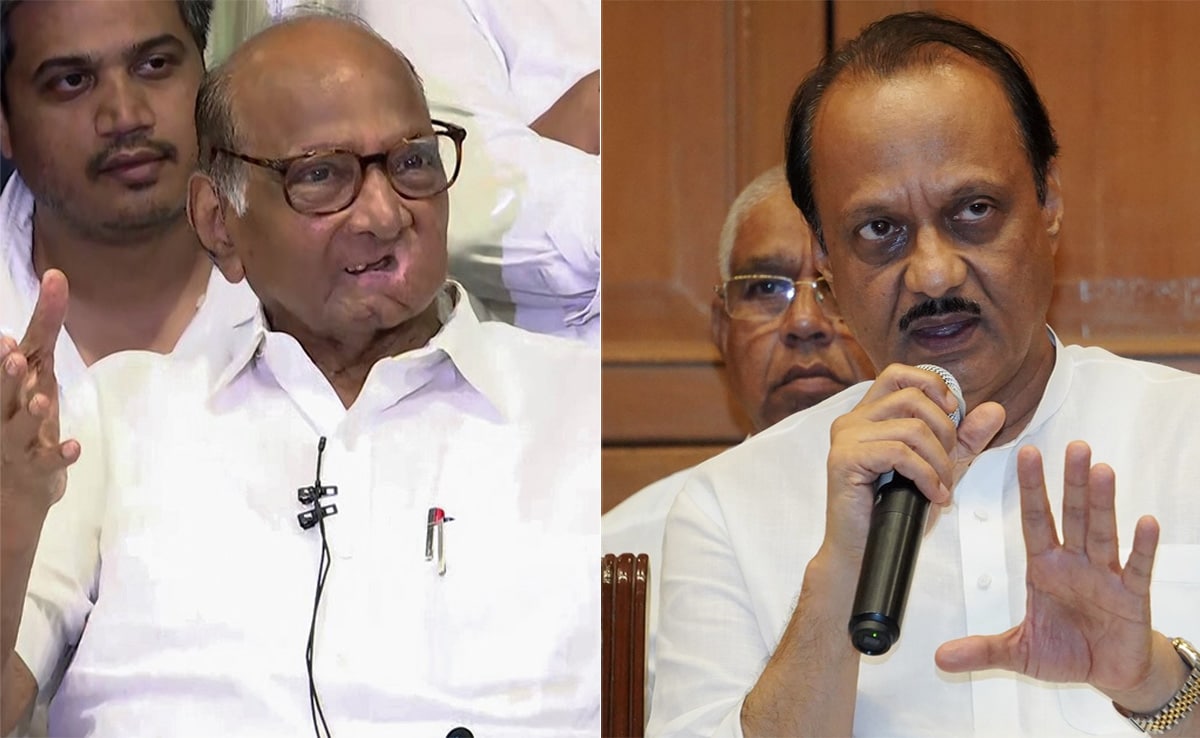
Supreme Court setback for Sharad Pawar before Maharashtra polls, Ajit Pawar can continue using clock symbol
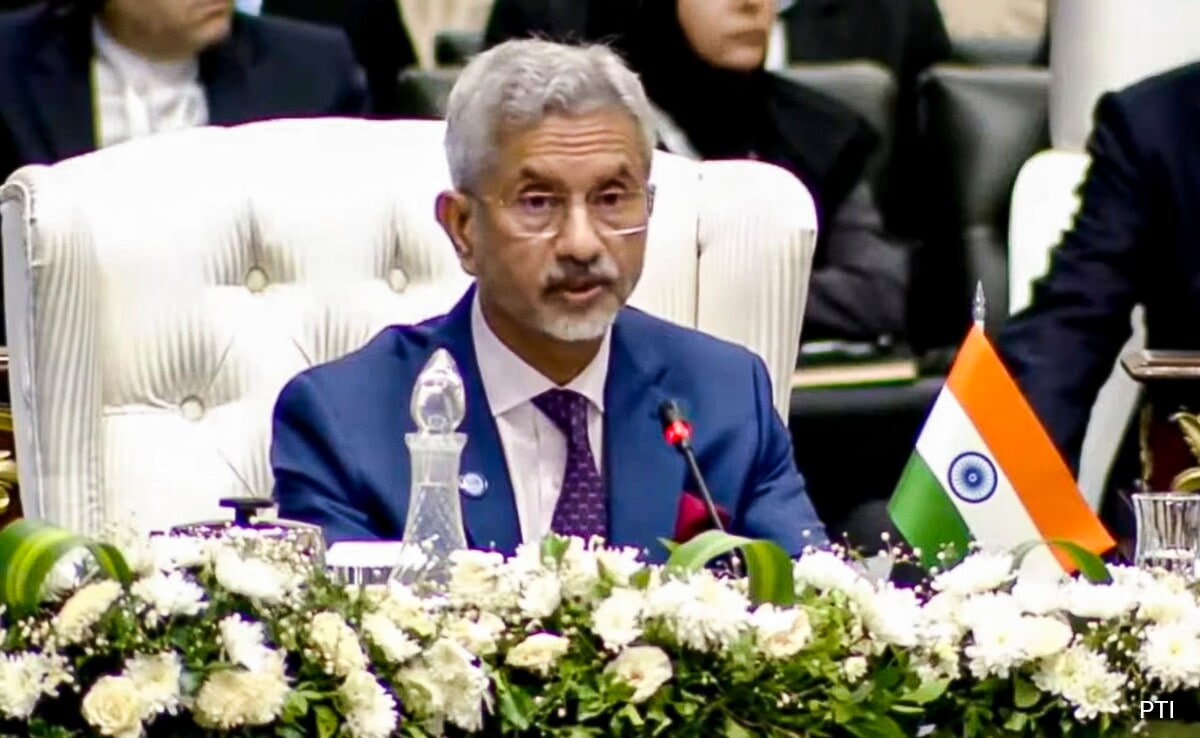
Pushing for a permanent seat for India at the United Nations Security Council, External Affairs Minister Dr S Jaishankar today said established institutions must be reformed to create a more equitable global order. He also reiterated Prime Minister Narendra Modi’s message that this is not an era of war and global disputes must be resolved through dialogue and diplomacy.
Speaking at the 16th BRICS Summit in Russia’s Kazan, Dr Jaishankar said, “BRICS is a statement of how profoundly the old order is changing. At the same time, many inequities of the past also continue. In fact, they have assumed new forms and manifestations. We see that in the access to developmental resources and modern technology and efficiencies. Let us also recognise that the benefits of globalisation have been very uneven. Adding to all that, the Covid pandemic and multiple conflicts have aggravated the burdens borne by the Global South. Concerns of health, food and fuel security are particularly acute.”
The minister said the world is in danger of falling significantly behind in realising targets of sustainable development goals. “How do we create a more equitable global order? First, by strengthening and expanding platforms of an independent nature, and by widening the choices in different domains and minimising undue reliance on those that can be leveraged. This is really where BRICS can make a difference for the Global South,” he said.
“Second, by reforming established institutions and mechanisms, especially the UN Security Council, in the permanent and the non-permanent categories. So too the multilateral development banks, whose working procedures are just as outdated as that of the UN,” he added. India, Dr Jaishankar said, initiated an effort in this direction during its G20 Presidency and is glad to see Brazil take it forward.
A permanent seat at the UN Security Council has been India’s longstanding demand. This demand is backed by major world powers, including the US, UK and France. Currently, China, France, Russia, the UK and the US are permanent members of the UN Security Council.
“Third, by democratising the global economy through creating more production hubs. The Covid experience is a sharp reminder of the need for more resilient and shorter supply chains. For essential needs, every region legitimately aspires to create their own production capabilities. Fourth, by correcting distortions in global infrastructure that are a legacy from the colonial era. The world urgently needs more connectivity options that enhance logistics and mitigate risks. This must be a collective endeavour for the common good, with the utmost respect for territorial integrity and sovereignty. And fifth, by sharing experiences and new initiatives. India’s Digital Public Infrastructure, its Unified Payment Interface, the Gatishakti infrastructure all hold a larger relevance,” he said.
The minister added that the International Solar Alliance, the Coalition for Disaster Resilient Infrastructure, the Global Biofuel Alliance, Mission LiFE and the International Big Cat Alliance are initiatives of common interest. “As a First Responder, be it for natural calamities, health emergencies or economic crises, we seek to do our fair share.”
Referring to the war in West Asia and Ukraine, Dr Jaishankar said addressing conflicts effectively is a particular need of the day. “Prime Minister Modi has emphasised that this is not an era of war. Disputes and differences must be settled by dialogue and diplomacy. Agreements, once reached, must be scrupulously respected. International law should be adhered to, without exception. And there should be zero tolerance for terrorism,” he said.
“The situation in the Middle East, West Asia for us, is an understandable concern. There is a widespread anxiety that the conflict would spread further in the region. Maritime trade has also been deeply affected. The human and material consequences of further escalation are truly serious. Any approach has to be fair and durable, leading to a two state solution,” the minister said, reiterating India’s long-held stand on the Palestine issue.
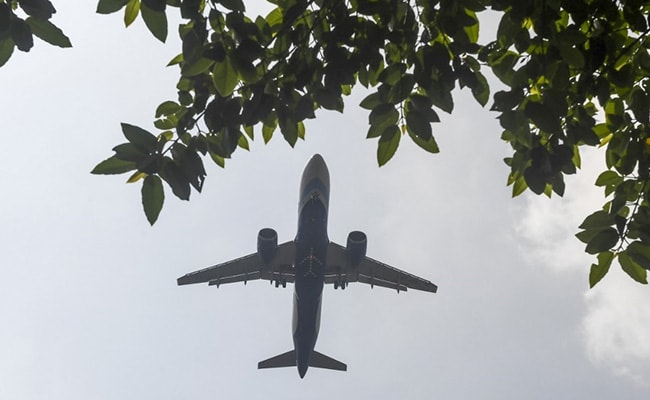
More than 70 flights of various Indian airlines received bomb threats on Thursday, according to sources.
The sources said around 20 flights each of Air India, Vistara, and IndiGo have got the threats while Akasa Air has got the threats for about 14 flights. In 11 days, nearly 250 flights operated by the Indian carriers have received the bomb threats.
An Akasa Air spokesperson said some of its flights operating on October 24 have received security alerts.
“The Akasa Air Emergency Response teams are monitoring the situation and are in touch with the security and regulatory authorities. We are following all safety and security procedures in coordination with local authorities,” the spokesperson said in a statement.
Earlier this week, Civil Aviation Minister K Rammohan Naidu said the government plans to take legislative actions to deal with instances of bomb threats to airlines, including placing perpetrators of such threats in the no-fly list.
(Except for the headline, this story has not been edited by NDTV staff and is published from a syndicated feed.)