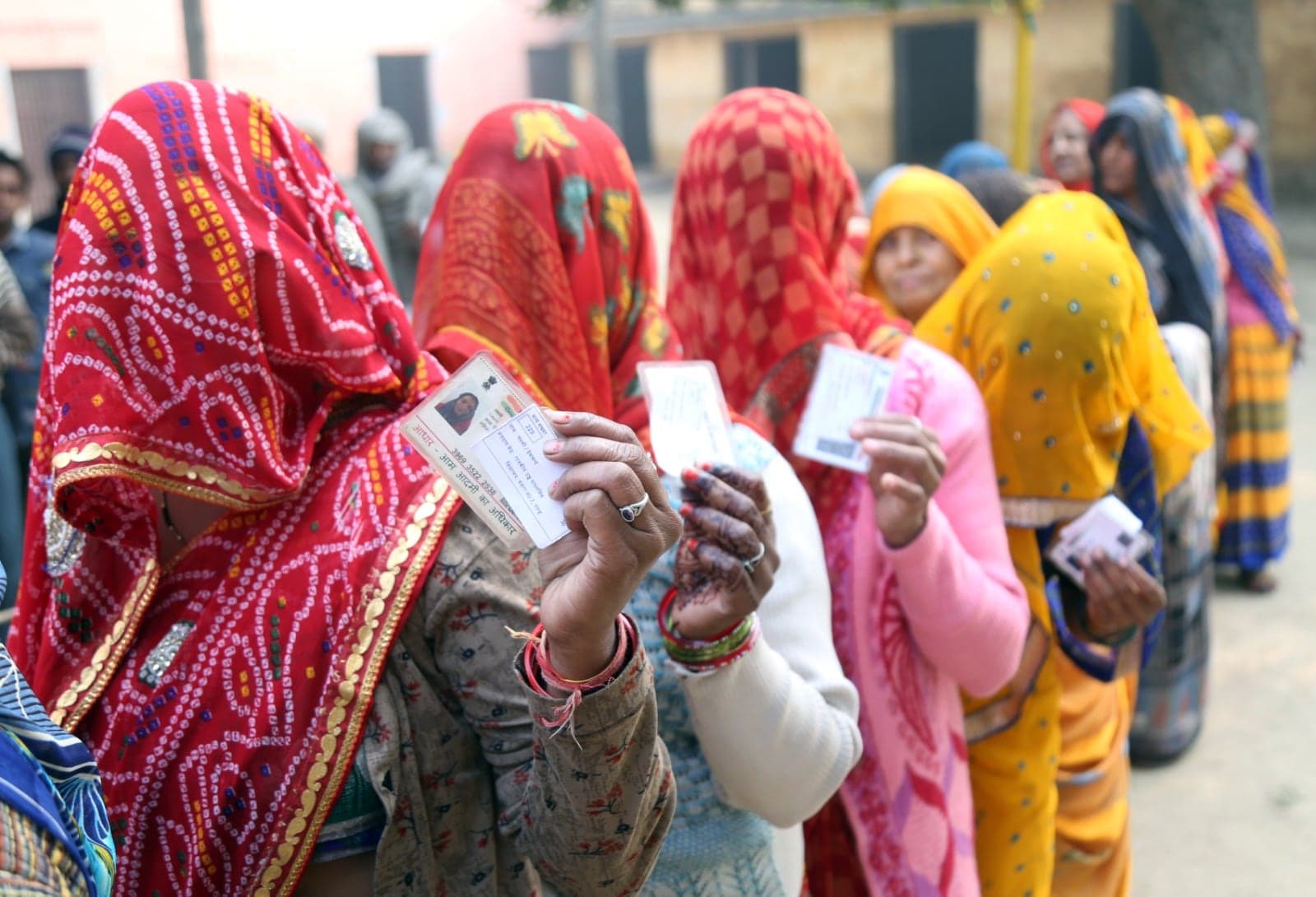
The Union Cabinet has approved the government’s ‘one nation, one election‘ push – which proposes simultaneous Lok Sabha and Assembly elections, with urban body and panchayat polls to be held within the next 100 days – accepting the report of a panel led by ex-President Ram Nath Kovind.
“There is unanimous opinion simultaneous polls (beginning from 2029, sources told NDTV earlier) should be held,” the panel, which included Home Minister Amit Shah, Law Minister Arjun Ram Meghwal, as its members, had said. The panel also outlined provisions for a ‘unity government’ in cases of an indefinite result or a no-confidence motion; it had been tasked with recommending such solutions.
The ‘one nation, one election’ proposal was part of the ruling Bharatiya Janata Party’s manifesto for the 2019 and 2024 general elections, but has drawn heavy criticism from the opposition, who have red-flagged concerns over changes to the Constitution and practical challenges, including cutting short the terms of certain Assemblies to align them with the proposed new round of elections.
Sources within an undeterred government told NDTV last month the proposal would definitely be implemented in this, the third, term of Prime Minister Narendra Modi. Mr Modi had said as much during his Independence Day address and he is committed to keeping his word, sources said.
READ | “‘One Nation, One Election’ Is Our Commitment”: PM Modi
Placing the report before the Cabinet was on the agenda for the first 100 days of the PM’s third term.
What ‘One Nation, One Election’ Panel Said
Holding simultaneous poll will “transform the electoral process (and) governance” and “optimise scarce resources”, the high-profile panel said, noting 32 parties and prominent judicial figures, including former Supreme Court Chief Justices and High Court judges, had backed this measure.
Among the panel’s listed advantages for the ‘one nation, one election’ measure are that it makes the electoral process easier for voters. Synchronising polls will also result in higher and faster economic growth, and therefore a more stable economy, the panel argued, claiming a single round of elections will allow businesses and corporate firms to take decisions without fear of adverse policy changes.
The panel has also reasoned that (eventually) holding elections at all three levels – for the Lok Sabha, for state Assemblies, and for panchayats – will “avoid disruption of supply chains and production cycles due to migrant workers seeking leave of absence to cast their votes”.
The ‘one nation, one election’ push will also “prevent policy paralysis”, and do away with the “atmosphere of uncertainty” the government argues is brought on by frequent elections.
The panel, which gave its report in March, also said it had studied “best practices from other countries”, and consulted economists and the Election Commission, before delivering its verdict.
What Government Said
Information and Broadcasting Minister Ashwini Vaishnaw has said the ‘one nation, one election’ system will be implemented in two phases, with a single list to identify eligible voters for all polls.
“We will start the discussion (on implementation) pan-India,” he told reporters, underlining that 80 per cent of respondents supported the ‘one nation, one election’ push during initial talks.
There is “widespread support” for this system, he said.
Former Union Minister Anurag Thakur, in March, pointed out that before 1962 simultaneous elections were, in fact, the norm. This only changed after 1962, he told NDTV, “If some state elections are advanced or kept on hold, 10-15 polls can be held together… If we save this money India won’t have to wait for 2047, but will achieve its ‘Viksit Bharat‘ (developed India) dreams much before.”
Last year, before the Ram Nath Kovind-led panel was announced, the Law Minister outlined the government’s rationale and told Parliament simultaneous elections represent financial savings as it cuts down on multiple deployment of security forces, and also helps political parties save money.
What Opposition Said
However, 15 parties, including the Congress, have opposed the ‘one nation, one election’ push.
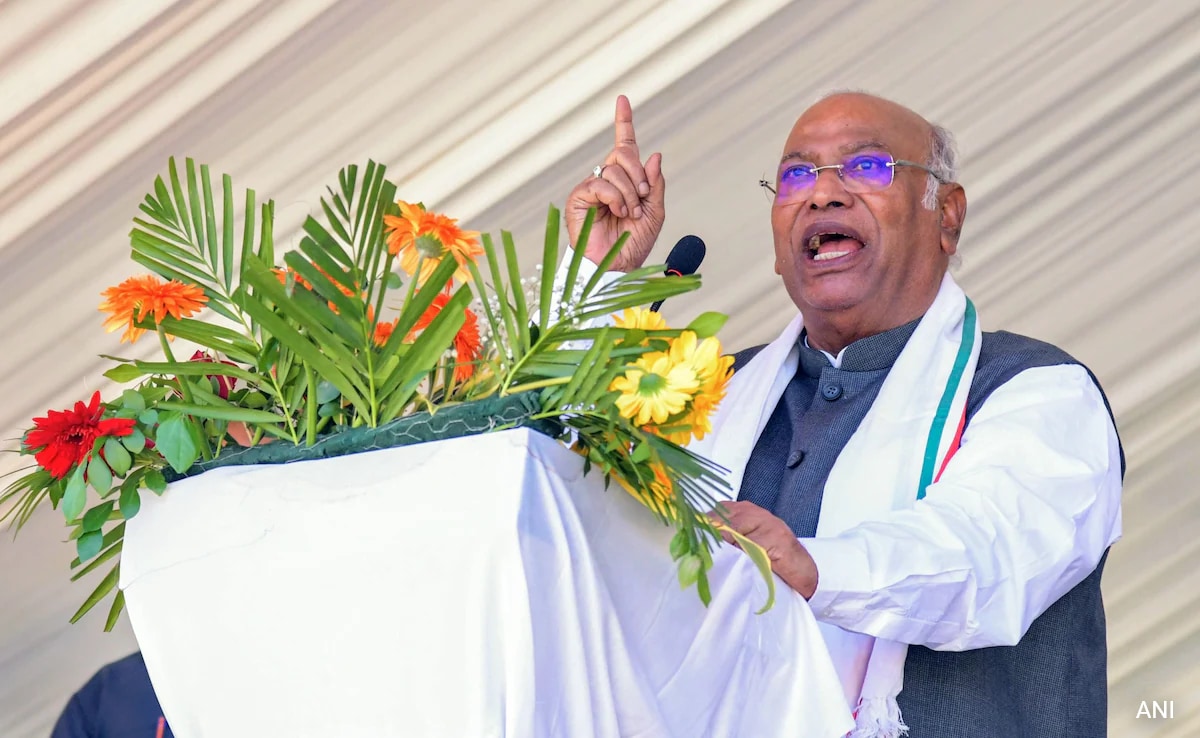
The Congress has said this proposal is “not pragmatic and practical”. Party boss Mallikarjun Kharge, while releasing the party’s manifesto for next month’s Haryana election, called it “an attempt to divert the attention of the public”. “This is not going to succeed… the people will not accept it.”
READ | Not Practical: 15 Parties Rubbish “One Nation, One Election” Plan
“When elections come, and they don’t have issues to raise, they divert attention…” Mr Kharge said.
Last week senior Congress leader P Chidambaram said the ‘one nation, one election’ system is not possible under the present Constitution, as it requires at least five constitutional amendments.
However, as things stand in both Houses, the BJP-led ruling alliance has the numbers to pass these amendments, particularly after last month’s unopposed election of 12 Rajya Sabha MPs.
Other opposition parties, specifically those in the Congress-led INDIA bloc, have also been critical of this measure. While releasing its manifesto for the Lok Sabha election, Tamil Nadu’s DMK vowed to scrap the ‘one nation, one election’ proposal if the INDIA bloc were to win the election.
Also, regional parties had pointed out concerns that limited resources could hamper them in highlighting local issues to voters, particularly in the face of frenzy over national issues in a Lok Sabha election.
Another red flag was the cost of procuring EVMs, or electronic voting machines.
This, the poll panel had said, would be approximately Rs 10,000 crore every 15 years.
What Is ‘One Nation, One Election’?
Simply put, it means all Indians will vote in Lok Sabha, Assembly, and local body elections – to pick central, state, and local representatives – in the same year, if not at the same time.
At present, only a few states vote for a new government at the same time as the country selects a new union administration. These few are Andhra Pradesh, Sikkim, and Odisha, all of which voted at the same time as the April-June Lok Sabha election.
NDTV Explains | ‘One Nation, One Election’. What Is It And How It Can Work
Haryana votes next month, with Jharkhand and Maharashtra also voting this year. The Union Territory of Jammu and Kashmir is holding its first Assembly election in a decade.
The rest follow a non-synced five-year cycle; Karnataka, Madhya Pradesh, Rajasthan, and Telangana, for example, were among those voting at different times last year. And this has been flagged by the opposition, which has warned against cutting short the terms of the state’s respective governments.
Of these four, the BJP rules Madhya Pradesh and Rajasthan. The Congress rules Karnataka and Telangana, both of which voted last year and are not scheduled to vote again till 2028.
NDTV is now available on WhatsApp channels. Click on the link to get all the latest updates from NDTV on your chat.