Live · Global · Independent
Live Feeds
PinkVilla
Forbes
NDTV
Hindustan Times
Labour Sweeps UK Polls, Rishi Sunak’s Party Ousted For 1st Time In 14 Years
onmynews.com

Labour Sweeps UK Polls, Rishi Sunak’s Party Ousted For 1st Time In 14 Years

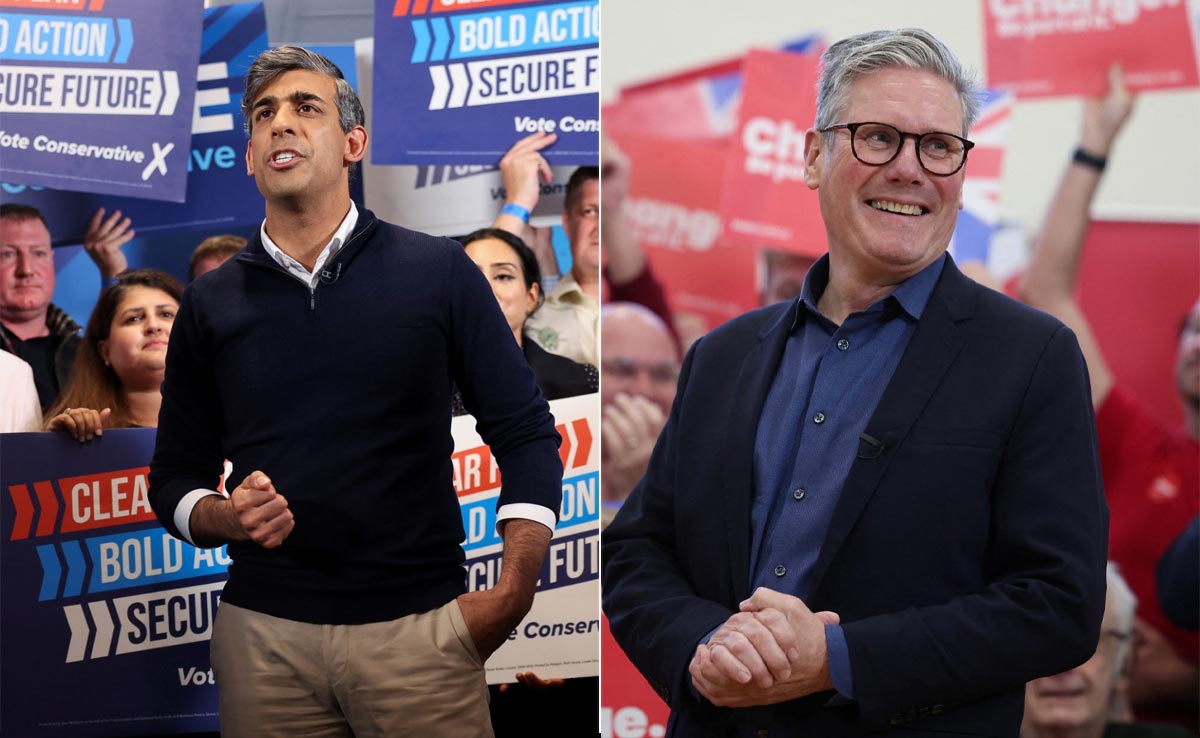
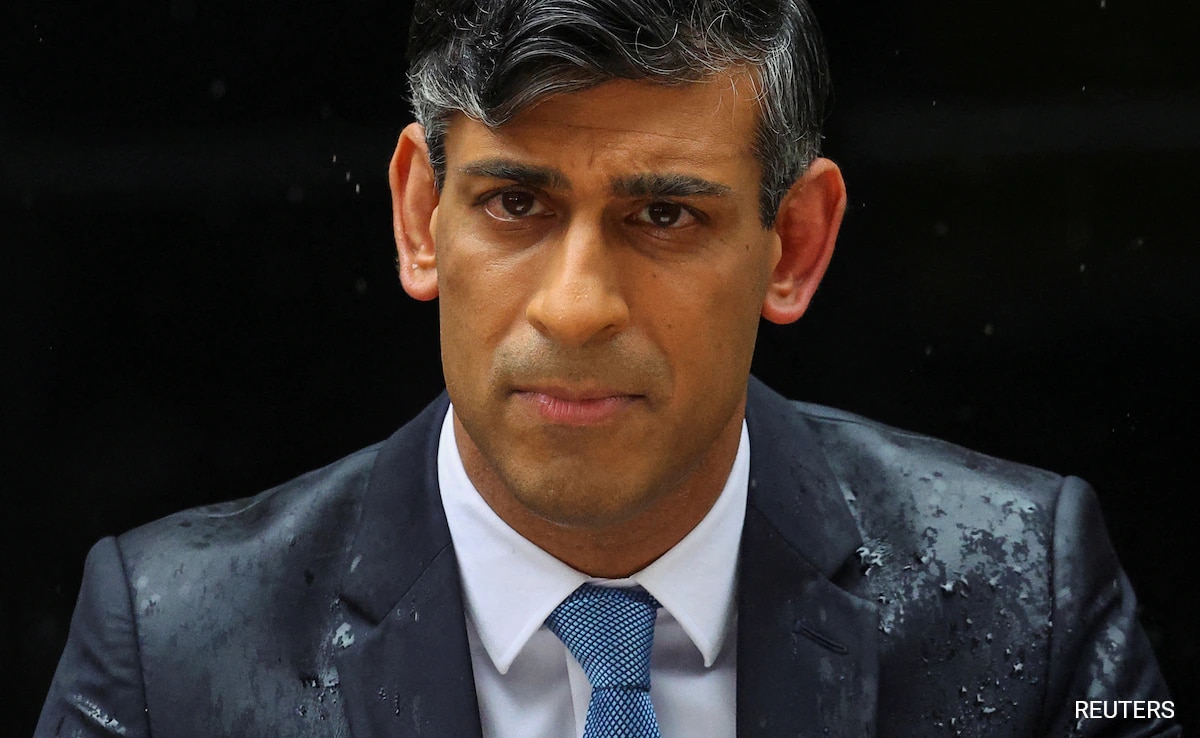
Prime Minister Rishi Sunak’s last-minute attempt to sway voters fell short as his Conservative Party lost the UK general elections. Ahead of voting, the Conservatives warned voters that opting for Labour would lead to higher taxes.
Led by Keir Starmer, the Labour Party has crossed the majority mark of 326 in the 650-member House of Commons. Rishi Sunak’s party has managed to win just 60 seats yet.
Conceding defeat, Rishi Sunak said, “Today, power will change hands in a peaceful and orderly manner, with goodwill on all sides. That is something that should give us all confidence in our country’s stability and future,” Rishi Sunak said while addressing his supporters in Richmond and Northern Allerton. “I am sorry. I take responsibility for the loss,” he added.
Keir Starmer will be appointed the Prime Minister later today. “Tonight people here and around the country have spoken, and they’re ready for change,” he said. “The change begins right here.”
The official election exit poll had predicted Labour will win 410 seats, the most since Tony Blair’s 1997 landslide victory, with a projected majority of 170. In the last six UK elections, only one exit poll has got the outcome wrong.
In May, Rishi Sunak stunned many in his own party by calling the election earlier than he needed to with the Conservatives trailing Labour by some 20 points in opinion polls.
He had hoped the gap would narrow, as typically seen in British elections, but the deficit persisted through what is seen as a largely unsuccessful campaign.
Keir Starmer, the son of a toolmaker and a nurse, has promised “a decade of national renewal” after post-financial crash austerity measures, Brexit upheaval and a cost-of-living crisis.
But, he faces significant challenges ahead, including sluggish economic growth, strained and underfunded public services due to extensive cuts over the past fourteen years, and financial pressures on households.
For Sunak, the early trends suggest a defeat that has been on the cards for months. He has said he will stay on as an MP even if he’s removed or steps down as Tory leader — though some polls predict he may not keep his seat.

Read full article
“A Massacre”: Conservative Leader As Labour Heads For Massive UK Win
onmynews.com

“A Massacre”: Conservative Leader As Labour Heads For Massive UK Win

Scottish Conservative Party leader Ruth Davison described the UK exit poll prediction of a historic defeat for her party as a “massacre”. As the votes are being counted, UK PM Rishi Sunak’s Conservative party is staring at a massive loss against Keir Starmer’s Labour Party which has won over 183 seats so far. The Conservatives or Tories have won 31.

“So actually 131 – while, there is no dressing it up, this is a massacre – they’ve actually, if this is right, pulled a few back from where they thought they were. But it was not as bad as it might have been,” she told Sky News. 

The exit poll, published jointly by the BBC, ITV and Sky News, suggested that the Labour Party will win in 410 constituencies will the Conservative numbers will plunge to 131. It also predicts 61 seats for the Liberal Democrats, 13 for Reform UK, four for Plaid Cymru and two for the Green Party. Other parties are expected to win 19 seats.

To secure victory, a party needs to win 326 seats in the 650-member House of Commons.

The results of the sudden elections called by Rishi Sunak in May are hardly surprising as throughout the six-week campaign the UK PM trailed behind 61-year-old Starmer. 

The Indian-origin PM’s term was marred by cost-of-living and migration crisis following years of instability under five different Conservative prime ministers since 2016.

Read full article
Keir Starmer On Course To Be UK PM: What This Means For India
onmynews.com

Keir Starmer On Course To Be UK PM: What This Means For India

Labour Party chief Keir Starmer is on course to replace Rishi Sunak as the Britain Prime Minister, with early election results pointing at a crushing loss for the Conservatives. The first month of a Keir Starmer premiership will be a whirlwind of international diplomacy including meetings with US President Joe Biden and European leaders.

Labour, out of power since 2010, has pledged a foreign policy of “progressive realism”, seeing a more volatile world “as it is not as we would want it to be”, said David Lammy, who is expected to become foreign secretary.

The party has also pledged to “make Brexit work” and seek “an ambitious” security pact with the European Union.

Another key aspect of Starmer’s foreign policy agenda will be strengthening UK-India relations. Acknowledging historical missteps, particularly Labour’s stance on issues like Kashmir, Starmer has pledged to forge a new strategic partnership with India. His commitment to a free trade agreement (FTA) and enhanced bilateral cooperation in technology, security, education, and climate change underscores his ambition to elevate relations with one of the world’s fastest-growing economies.

His manifesto included a commitment to pursue a “new strategic partnership” with India, emphasizing the trade agreement.

In a bid to repair strained ties with the Indian diaspora in the UK, Starmer during his campaign embarked on domestic outreach efforts, denouncing Hinduphobia and celebrating cultural festivals like Diwali and Holi. These gestures are aimed at fostering greater trust and inclusion within British-Indian communities, a demographic vital to Labour’s electoral calculus.

However, challenges loom on the path to realising Starmer’s ambitious foreign policy goals, particularly concerning immigration policies and trade agreements. With bipartisan consensus on the need to reduce immigration, negotiations on temporary visas for Indian workers in the UK service industry present a delicate balancing act for Labour.

Prime Minister Rishi Sunak’s last-minute attempt to sway voters appears to have fallen short. The Conservatives warned voters that opting for Labour would lead to higher taxes. Led by Keir Starmer, the Labour Party is currently ahead on 220 seats, while Rishi Sunak’s party has won just 31. To secure victory, a party needs to win 326 seats in the 650-member House of Commons.

Read full article
Link copied!