Live · Global · Independent
Live Feeds
PinkVilla
Forbes
NDTV
Hindustan Times
Centre’s Order To Hospitals As Heatwave Leads To Hospitalisation, Deaths
onmynews.com

Centre’s Order To Hospitals As Heatwave Leads To Hospitalisation, Deaths

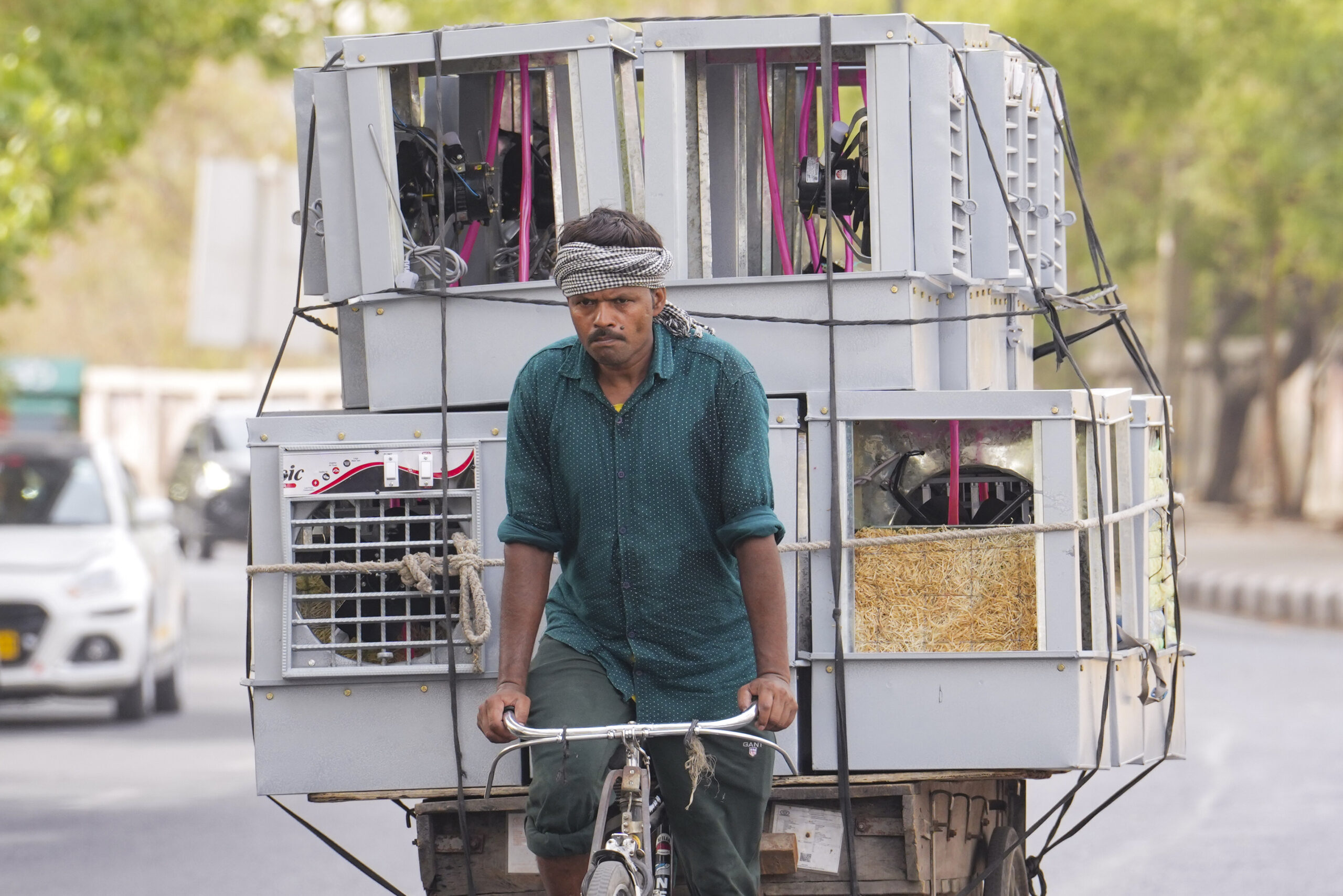
As cases of heatstroke spike in several parts of north India due to an unrelenting heatwave, the Union Health Ministry has issued an advisory to central government-run hospitals to treat patients of heatstroke on priority.

At the state-run Ram Manohar Lohia Hospital in Delhi, 45 patients with heat-related problems have been admitted since May 27. The hospital has reported nine deaths due to such problems since May 27 and seven of these deaths have taken place over the past two days. Other hospitals in Delhi are also seeing many admissions due to heatstrokes.

Dr Ajay Shukla, medical superintendent of the state-run hospital, warned that the mortality rate in heatstroke cases is quite high — about 60-70 per cent. “If the patient is brought late to the hospital, one organ after the other starts failing. There is a lack of awareness. A lot of these patients are migrant labourers. Also, the symptoms (of heatstroke) can be easily missed or mistaken for something else. It’s only when patients faint that their relatives feel that hospitalisation is needed.”

Dr Shukla said there is a need to spread awareness about heatstroke. “We need to educate people. Instead of rushing to the hospital, if you suspect that a person is suffering from heatstroke, you must start the cooling there and then. Use water, ice, while trying to get them to the hospital. We have also equipped ambulances so that they can start cooling immediately after they reach the patients.”

Delhi residents are reeling under an unrelenting heatwave for nearly a month now. Minimum temperatures in the city have crossed the 35 degrees mark — several degrees above normal — and maximum temperatures hover around the 45 degrees mark. Tap water is hot through the day, and even air-conditioners are struggling to bring relief.

The weather office has said in its forecast that heatwave conditions are likely to continue over most parts of north India for the next 24 hours and abate after that.

On what is leading to the abnormally warm nights, Rajneesh Sareen of the Delhi-based thinktank Centre for Science and Environment (CSE) has an explanation.

“The construction and concretisation in big cities like Delhi has significantly gone up. Concrete buildings absorb heat through the day and release it at night. This is why minimum temperatures are rising in big cities,” said Mr Sareen, programme director for Sustainable Habitat Programme at CSE.

Earlier, he said, daytime temperatures would be high, but people would get some relief at night. “But nowadays, ACs are exploding because of a heat island effect. Construction in Delhi is going up and the green area is reducing. The construction of high-rises is also affecting wind movement,” he said, adding that use of concrete has to be reduced.

Read full article
What’s Causing Warm Nights In Delhi, What’s The Solution: Expert Explains
onmynews.com

What’s Causing Warm Nights In Delhi, What’s The Solution: Expert Explains

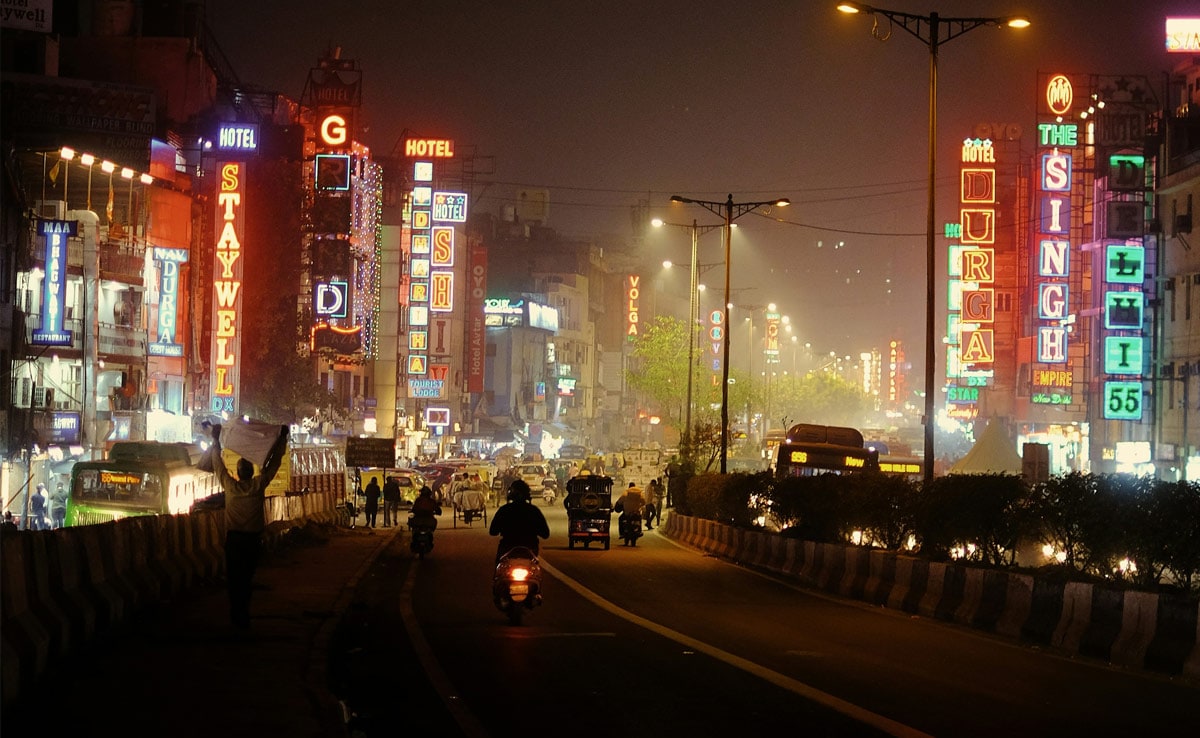
As north India reels under a record-breaking heatwave, a sustainable habitat expert has explained why India’s big cities are turning into heat islands and reporting unprecedented night temperatures.

Rajneesh Sareen leads the Sustainable Habitat Programme at Delhi-based think tank Centre for Science and Environment. Speaking to NDTV on what is driving the abnormally high night temperatures, he explained, “The construction and concretisation in big cities like Delhi have gone up significantly. Concrete buildings absorb heat through the day and release it at night. This is why minimum temperatures are rising in big cities,” said Mr Sareen, programme director for Sustainable Habitat Programme at CSE.

Last night, Delhi experienced its warmest night in 12 years, with the temperature settling at 35.2 degrees Celsius, eight notches above normal.

Earlier, Mr Sareen said, daytime temperatures would be high, but people would get some relief at night. “Nowadays, ACs are exploding because of a heat island effect,” he said.

Heat islands typically are metropolitan areas that are warmer than rural regions surrounding it. The contributing factors to this include rapid construction, high population density and vehicular emissions, among other factors.

“Construction in Delhi is going up and the green area is reducing. The construction of high-rises is also affecting wind movement,” Mr Sareen said, adding that the use of concrete has to be reduced.

Citing an example of how reduction in green area is contributing to higher temperatures. “Our research found that in Connaught Place, the buildings are white, the roads black and the parking grey. The rooftops are grey too. The green area there has reduced over the years. And Connaught Place now feels hotter than ever.”

On whether there is any heat action management plan that may address the burning problem, he said that long-term policy measures are needed to tackle this issue.

“There is no exit for the warm air because concrete structures are everywhere. There is a heat dome over Delhi and other cities. We have to reduce the use of concrete,” he said.

In fact, Delhi’s plummeting air quality is also connected to how high-rises are block wind movement, causing pollutants to get trapped over the city.

Nine people have died of heatstroke in the past three weeks, and at least 12 are on life support at Delhi’s Ram Manohar Lohia Hospital as the national capital burns due to a searing heatwave. Other hospitals in Delhi are also seeing many admissions due to heatstrokes.

While minimum temperatures in the city have crossed the 35 degrees mark, maximum temperatures hover around the 45 degrees mark. Tap water is hot through the day, and even air-conditioners are struggling to bring relief.

A report released by Indian Meteorological Department on weather conditions in the past 24 hours underlined how night temperatures are at an all-time high. “Warm night to severe warm night conditions were observed over many parts of Punjab, Haryana-Chandigarh-Delhi, West Uttar Pradesh and Warm night conditions were observed in isolated pockets of East Uttar Pradesh and north Rajasthan. Today, the Minimum temperatures were in the range of 30-34°C over many parts of Punjab, Haryana, Chandigarh-Delhi, West Uttar Pradesh and north Rajasthan and these were above normal by 4-7°C over these regions,” it said. 

Read full article
Reasi terror attack: 1 arrested for ‘providing logistics’
onmynews.com

Reasi terror attack: 1 arrested for ‘providing logistics’

Post Content

Read full article
Link copied!